
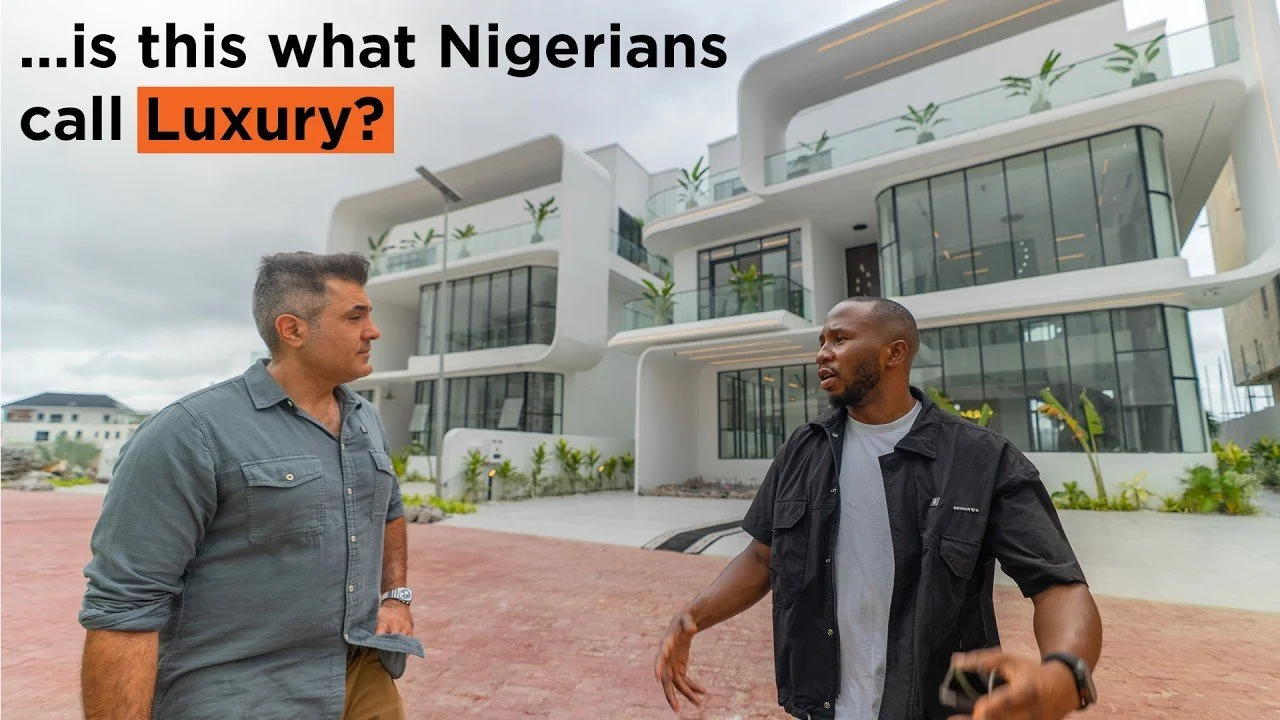
Forget the marble! What matters more is what happens before it.
Watching Arvin Haddad's home tour, American Real Estate Expert Investigates Luxury Homes in Nigeria, on Steven Ndukwu's YouTube channel brought me back to one of my biggest frustrations as an interior designer. Apparently, as Arvin mentioned in the video, there were also attempts by the developer to get the video taken offline. If true, that raises another question: why would we rather suppress criticism than address the problems it exposes?
At one point, in his review of the property tour, Arvin remarked, "Get the Mexicans." His point was about skilled labour, and while the wording was blunt, the underlying issue deserves serious attention: where is the skilled workforce required to execute the standards we aspire to?

The IG accounts I keep coming back to: materials, craft & brands
I can lose an unreasonable amount of time looking at a beautiful material, an extraordinary piece of lighting or a detail most people would probably scroll straight past. Some of my favourite design discoveries happen when I'm not looking for anything in particular. One account leads to another, a particular finish catches my eye, and then I find myself researching the maker, the material, the technique and how I might use something similar in an entirely different context.
For me, this is one of the joys of being a designer: the constant curiosity, the collecting of ideas, and the little discoveries that eventually find their way into your own work.
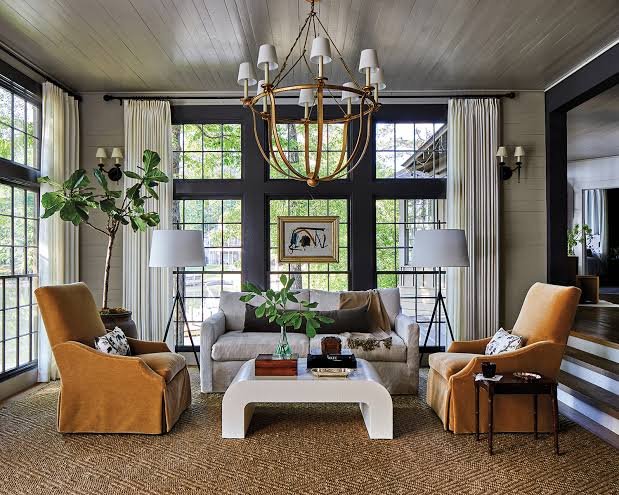
IG accounts I keep coming back to: the finished room
Some interiors make you stop, despite the overdose on available projects online to dive into.
Processes and BTS documentations is what I featured last week. Today, it’s all about the finished room where all the decisions finally meet. Proportion, colour, material, lighting, art, furniture, and also restraint. When everything has been edited and brought together, you can see whether the individual choices actually belong to the same conversation.
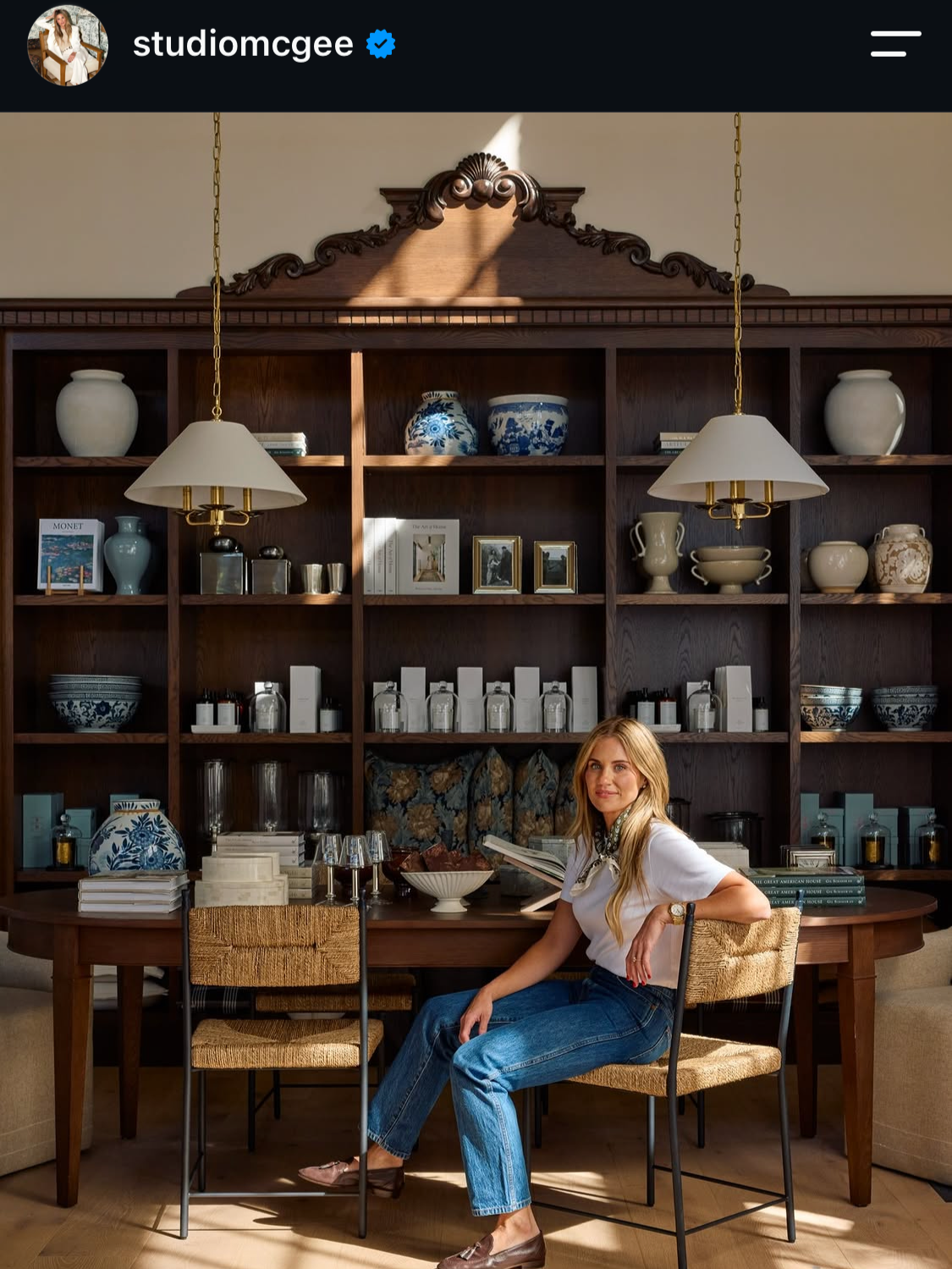
IG accounts I keep coming back to: on process, real homes & Behind The Scenes
I spend a lot of time looking at interiors online. Obviously, because I like beautiful rooms, but more importantly, because research never stops. Instagram has become one of the places where I can see how other designers work, how projects evolve, how materials are selected, how people solve problems and, sometimes, what happens before the beautiful final photograph. This part interests me almost more than the finished room.
Strawberry mocktail or basic lemonade?
On mediocrity, mirrors, and the environments we expect excellence to come from
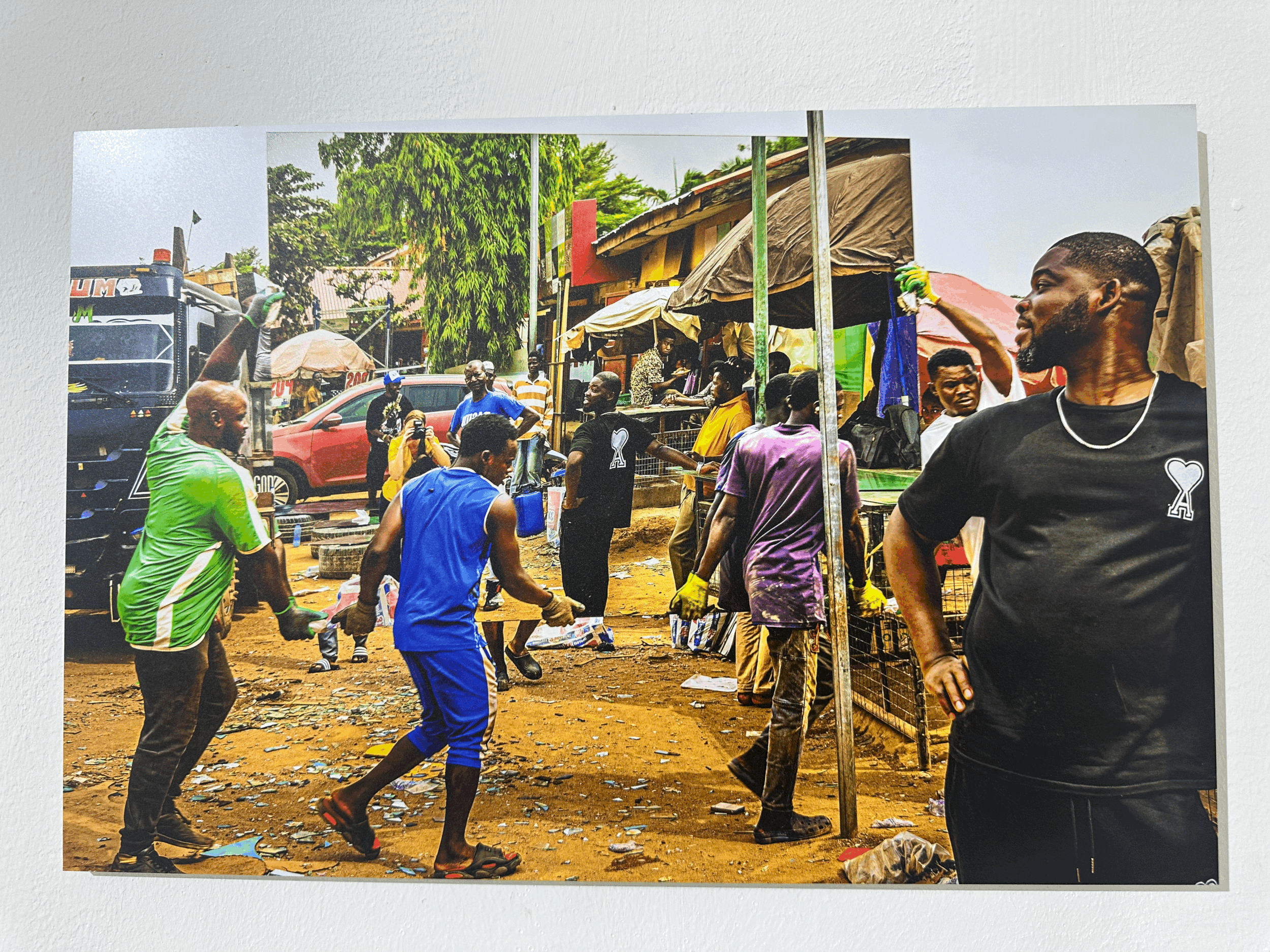
Yesterday, I visited Reflections and Flections at Kolanut Gallery, an exhibition featuring, among others, the work of Katharina Sasse, whose street photography I have admired for some time.
Although I thought I knew her work from a previous exhibition at Thought Pyramid, one series caught me in particular. It showed young men carrying large sheets of glass and mirrors through what looked very much like the Abuja Glass Market in Jabi. Dusty ground with lots of litter. Makeshift structures and fragile materials being handled without gloves or much protective equipment.
It was great documentary photography. And it made me think about a frustration I have been dealing with A LOT lately: what does the pursuit of excellence look like when the environment around you isn't necessarily built to produce it?
When did interiors become masculine or feminine?
This may be a controversial topic to some. I am also surprised writing about it because until last week, I have never spent a thought on this at all. It was Suzie Anderson’s wonderful YouTube channel with a video on “Masculine Interiors” that made me ponder deeper.
There are so many slightly strange expressions when we talk about interiors, this designer lingo: something is having a “moment”, juxtaposition, waiting until the room “speaks to you”, observing the “visual weight” etc. And we describe rooms as masculine or feminine almost without thinking about it.
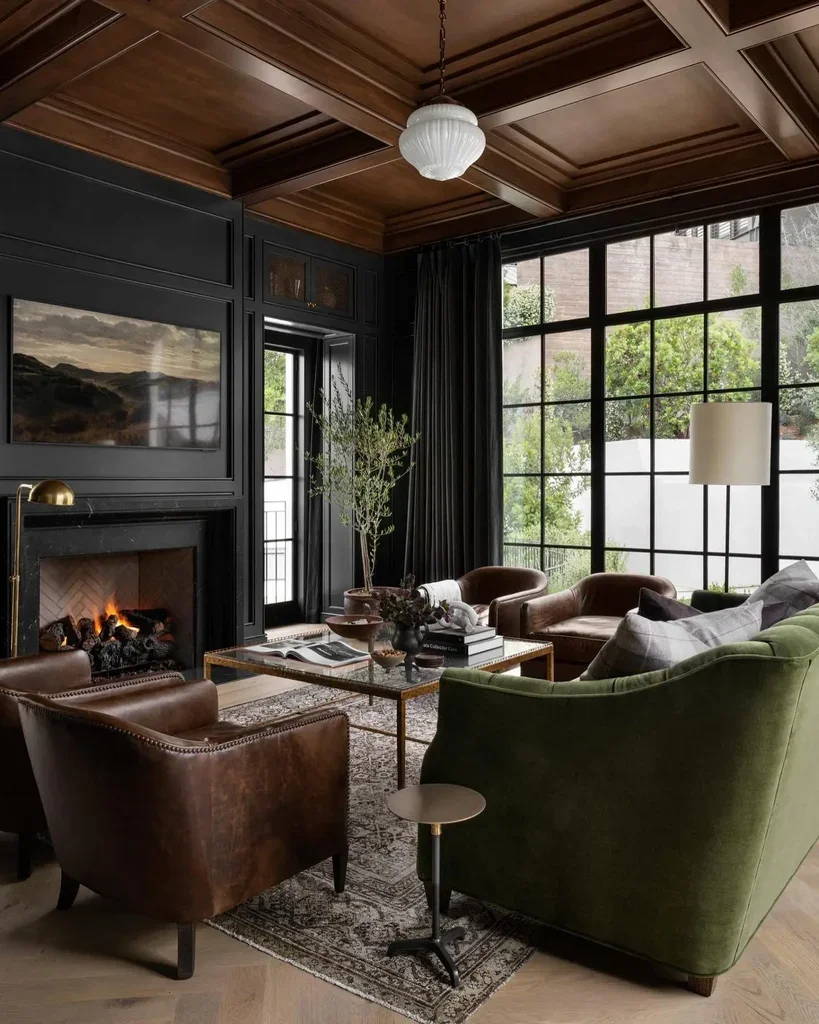
Why do we tag a dark library with walnut walls, leather, bronze and heavy furniture “masculine” and a room with soft colours, curved furniture, delicate fabrics and flowers “feminine”?
You Get What You Pay For
There is a phrase we don’t always like to hear in interiors: “You get what you pay for.”
It sounds obvious, but in an industry where clients are often comparing quotations line by line, it is worth saying out loud.
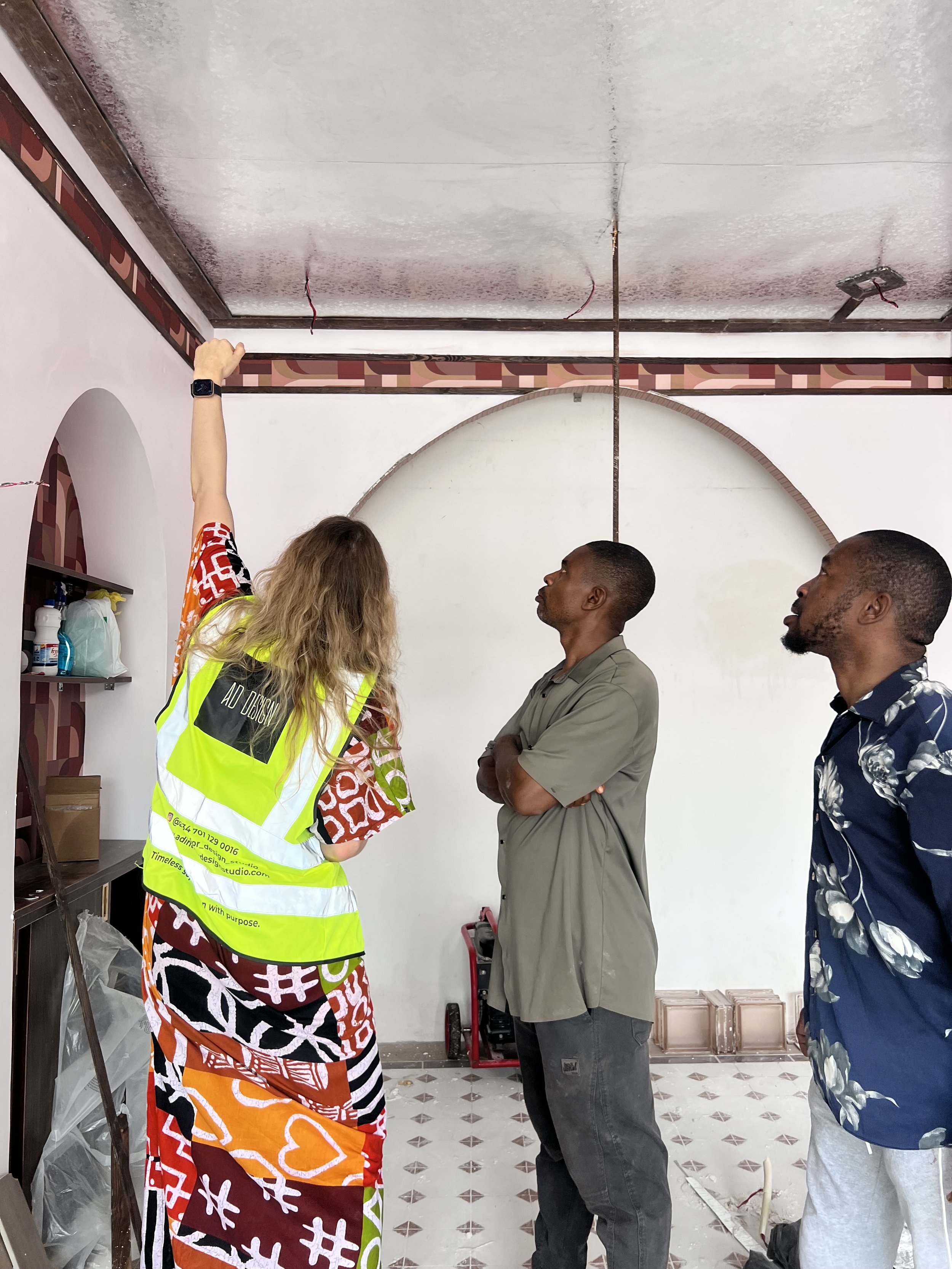
A premium interior design service is not simply charging more for the same thing. You are paying for experience, judgement, time, access, attention to detail, accountability and execution. You are paying for someone who has spent years learning what works, what doesn’t, where to source, which materials are worth the investment, which shortcuts will come back to haunt you, and how to spot a problem before it becomes an expensive one.
And this extends far beyond the designer.
Is This The Opportunity I’ve Been Waiting For?
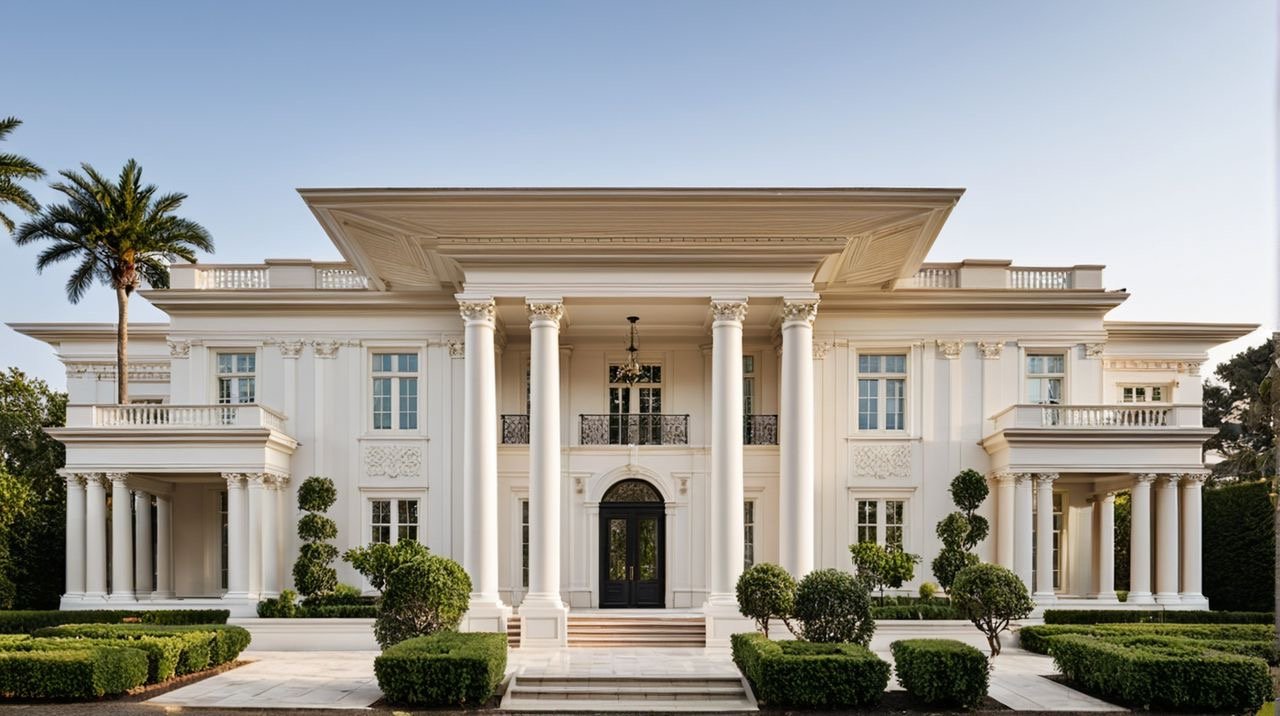
There is a particular feeling that comes with being offered something that is slightly bigger than what you have done before. It isn’t quite fear and I don’t think it is anxiety either. It is more like a collection of question marks.
Am I ready for this?
Can I really do this at this level? Can my little studio deliver what a client with very high expectations will expect? What happens when the brief is bigger, the budget is bigger, the expectations are bigger and there is simply more at stake?
Why You Pay for Project Management
Guess what doesn’t make it into the beautiful photographs or get felt during the reveal?
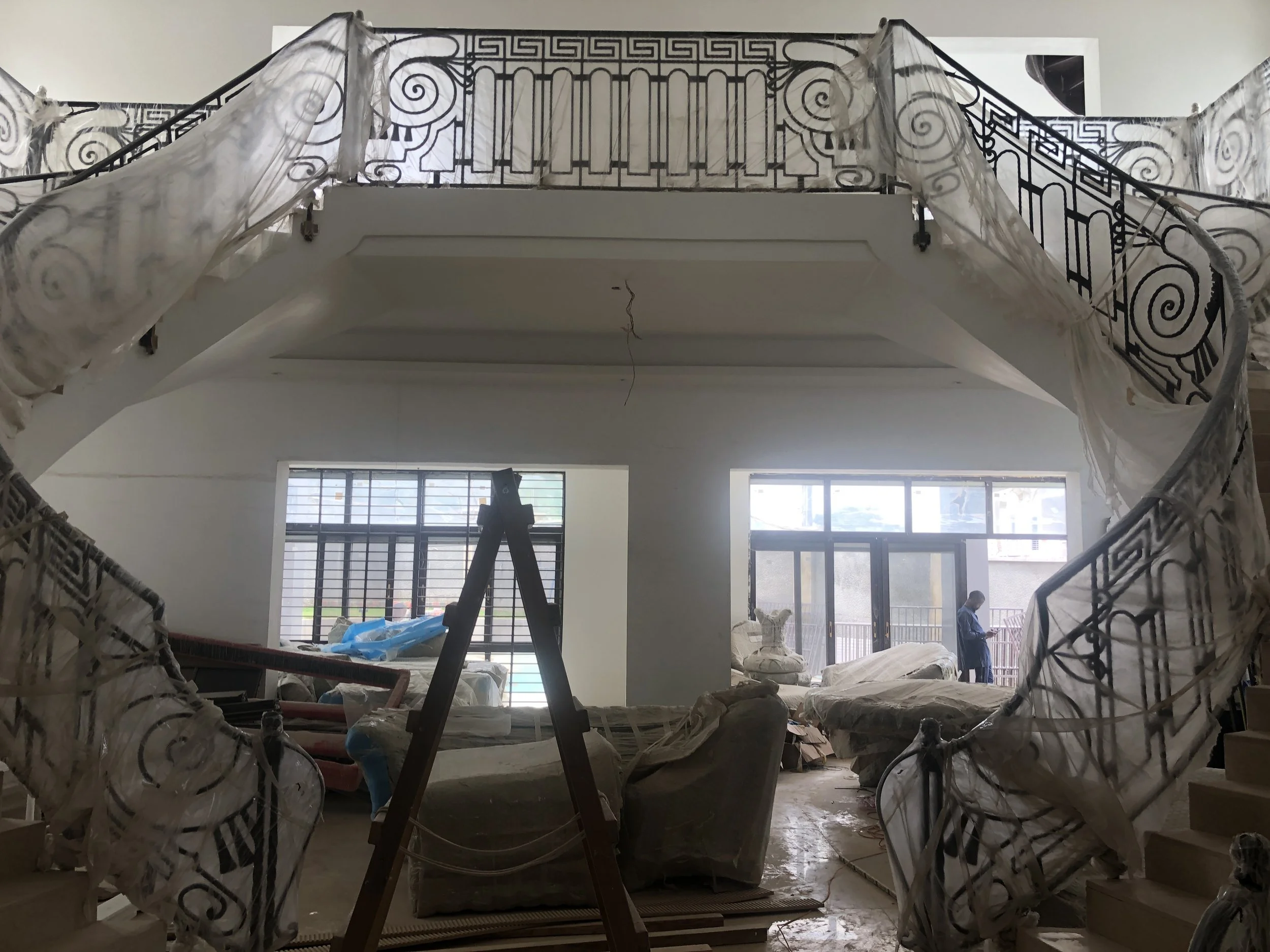
The part where the wrong fabric arrives. The part where a shipment is delayed, the truck breaks down or is impounded (happened just last week), an artisan is running late (or not coming at all), and somehow three things that were supposed to happen on Tuesday now need to happen on Thursday. And then there is the phone call: “Anne, what do we do?”

The Design Magazines I Always Come Back To
I love Instagram for its immediacy and endless stream of inspiration, but there is something very different about sitting down with a beautifully printed magazine, turning the pages slowly and allowing yourself to really look.
All of these have an online platform as well and equally great IG accounts to feast over, but ultimately, these five design magazines should be consumed once in a while in printed version - to inspire, challenge the eye and, occasionally, make you want to redecorate your entire house.
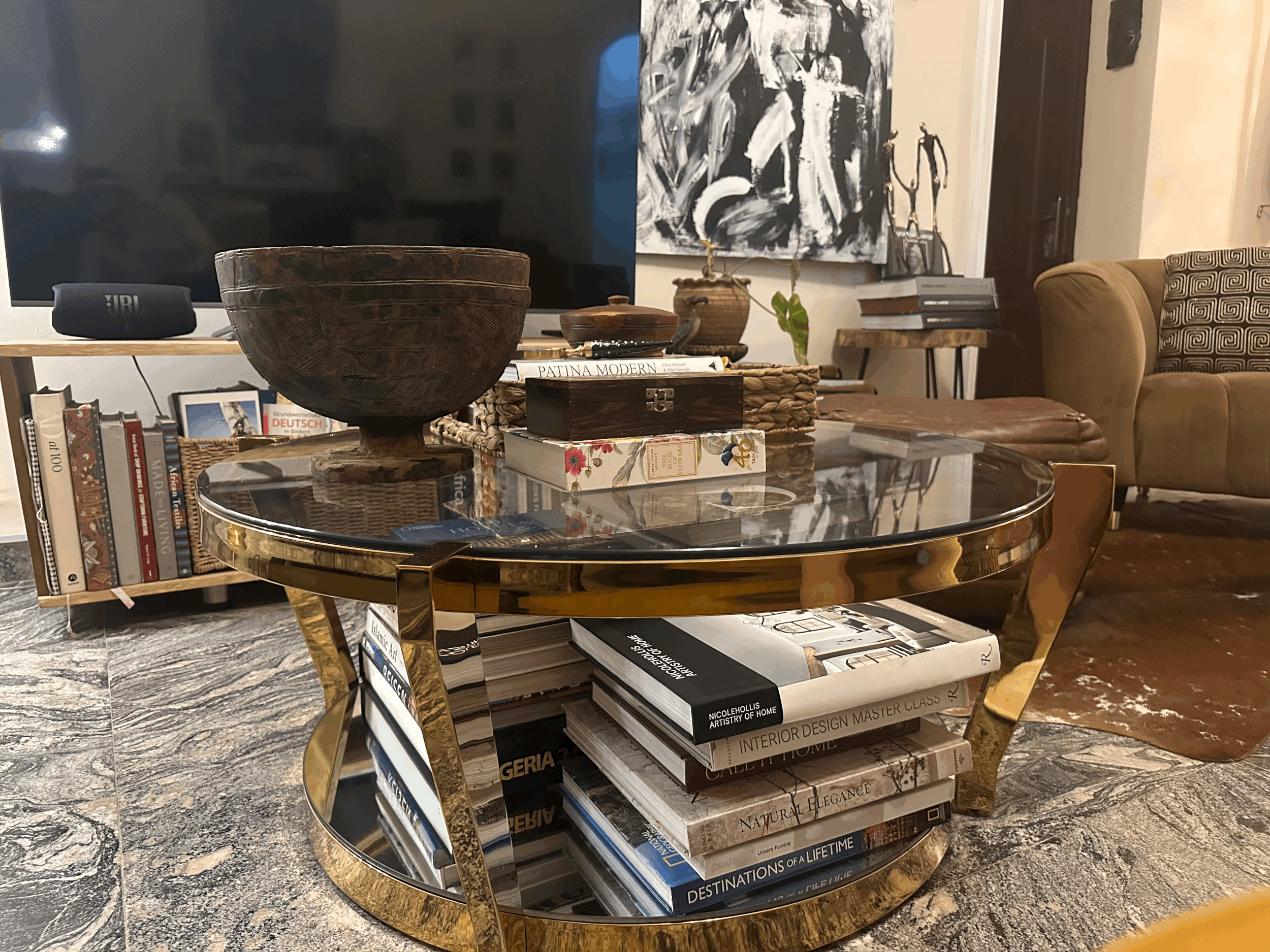
The seasonal reset: how to make your home feel new without buying anything
I love a seasonal change. I do miss the four distinct seasons in Germany a lot, but in Nigeria, the seasons change more dramatically: from dry to rain season. And with it the strong urge and deeply satisfying exercise of giving your space a reset too.
Is this the time for a shopping spree? Not really, at least not for me. What interests me more is to see my sanctuary differently, despite not purchasing anything new.
We tend to think that refreshing a space means shopping: a new cushion or a vase, or another decorative object. This can and will happen eventually, but we can achieve effective transformations without buying a single thing.
How did I achieve this over the last weekend?

Let’s talk about Money
Money is probably the least glamorous part of designing a home. Yet it’s the conversation that determines almost every decision that follows.
Curiously, it’s also the conversation many people avoid. Clients arrive with hundreds of Pinterest images, mood boards filled with Italian furniture, handcrafted lighting and natural stone kitchens. Then comes the inevitable question: “Can we achieve this on a much smaller budget?” Sometimes, yes. Often, no. And pretending otherwise serves no one.
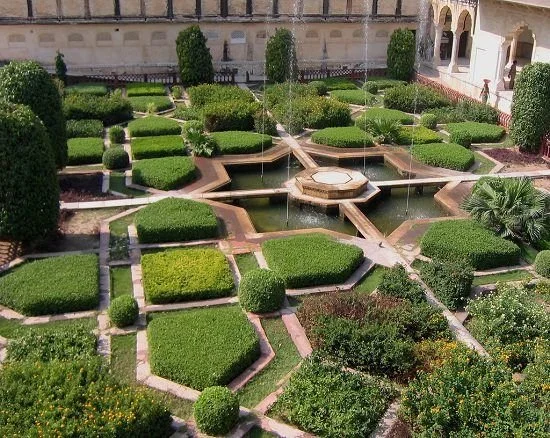
Before air conditioners, Nigerian homes already knew how to stay cool. Maybe it's time we remembered.
Summer came early this year in Europe and it came hottttt. Most homes in Germany or other parts of Northern or Central Europe are not equipped with air conditioners as default and struggle to respond to the massive heat waves that are occurring more frequently due to global warming.
In Nigeria, however, 40 degrees, when in season, is not an exception. 34 degrees are totally normal. ACs, when affordable and in the city where connected to the national grid (sadly these conditions must be met first), are now a standard fixture in every room.
But there was a time when comfort wasn't powered by electricity.
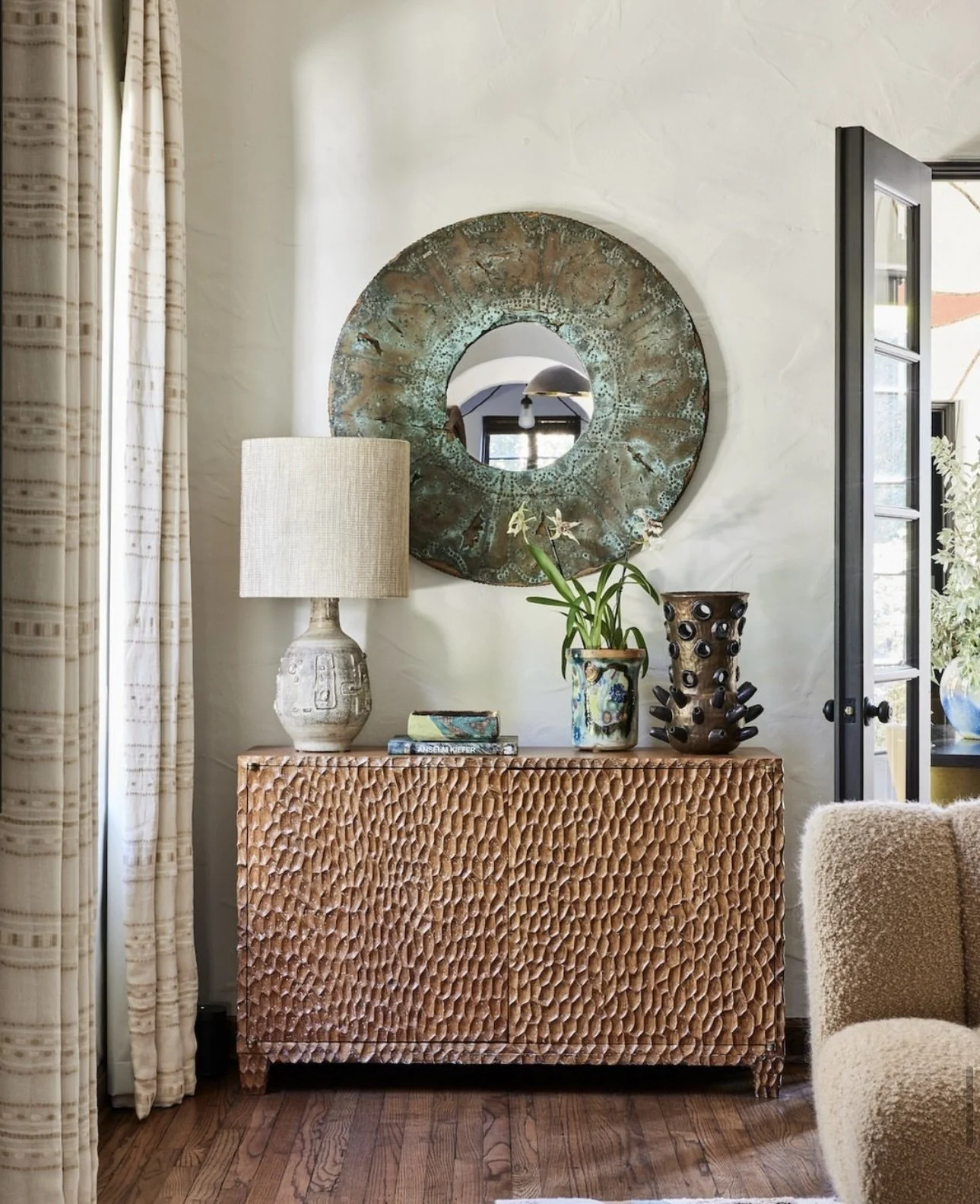
Luxury has been misunderstood - it's time we redefine it.
Walk into many newly built luxury homes today and are likely be greeted by the same visual language: a double-height entrance, grand staircase, endless marble, gold accents, then an oversized chandelier. Imported furniture only. And every surface polished to perfection.
At first glance, it's impressive. Like a perfectly scripted backdrop out of a catalogue.
But then, you have to look a little longer and imagine the life of those who are privileged to call it their own and wake up every morning. Where does the morning light fall? Can fresh air move naturally through the home? Does every room serve the people who live there, or only the guests who visit? Is the scale comfortable? Do the materials improve with age? Is there warmth, or even personality?
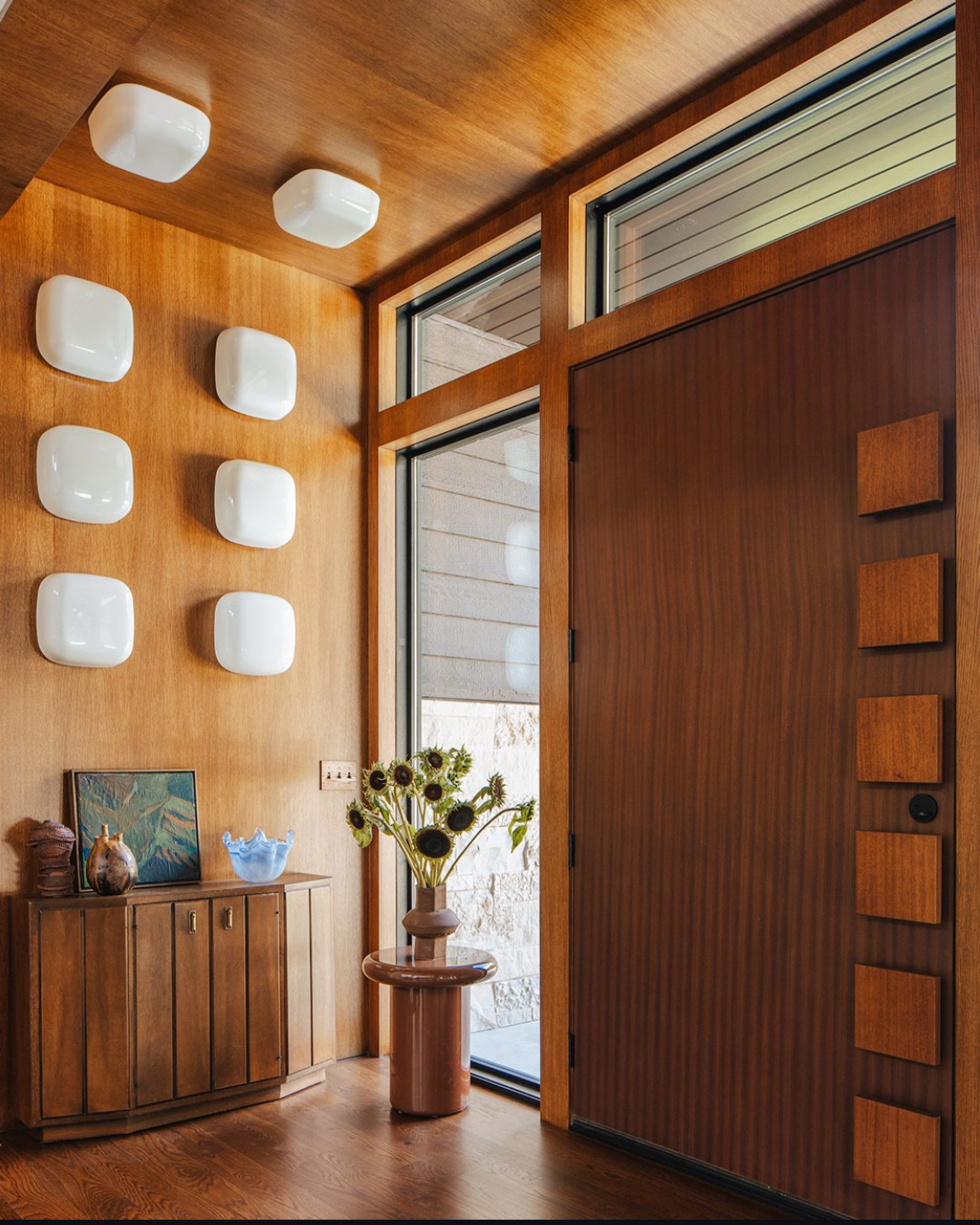
Can you learn to have taste?
Taste is often described as something you either have or you don’t, like a natural instinct or a personal preference that you can’t argue or almost impossible to explain. But after years of working with spaces, materials, people and projects, I believe taste is much more complex than that.
I believe that taste can be refined and developed. And it can be trained. Not in the sense that someone can hand you a formula for what is beautiful, but in the sense that your ability to recognise balance, intention and quality grows through exposure and curiosity. The reason is taste is rarely created in isolation.
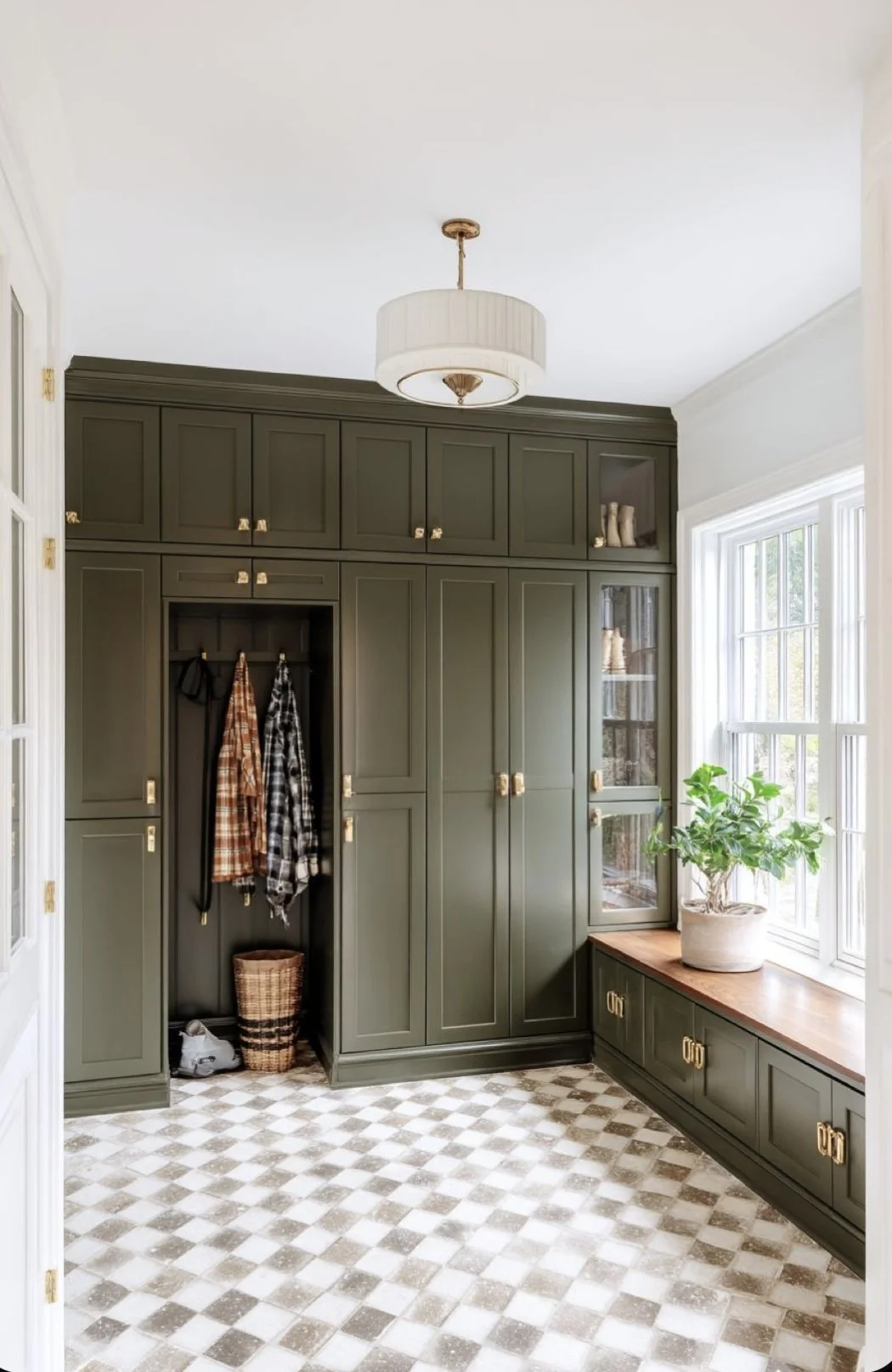
Rearranged Lives: designing for growing families
A home rarely changes all at once. Changes don’t come sudden, but are constant as the home quietly evolves around the people living in it. A new baby completes the family or a toddler becomes a teenager. Your work dynamics change and working from home becomes the norm. Routines start to shift and suddenly the rooms that once felt perfectly suited begin asking for a different kind of attention. The walls may remain the same, but life inside them has moved forward.
This is what makes designing for growing families such a meaningful part of interior design.
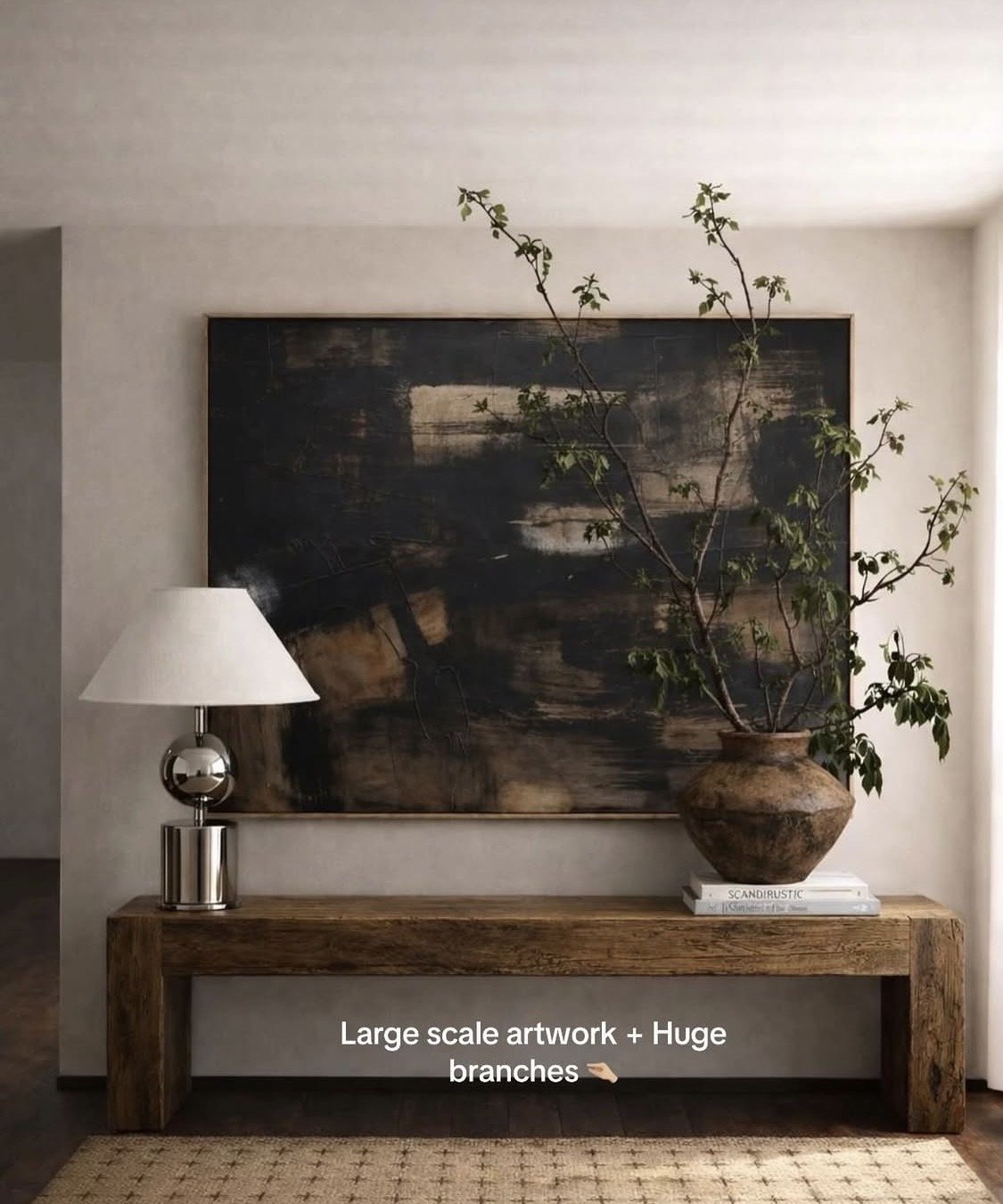
Scale: the most underestimated design principle
Scale is one of the quietest forces and principles in interior design. It determines whether a room feels balanced, intentional and effortless, or whether something feels slightly “off” without people being able to explain why.
A room can have beautiful materials and expensive pieces, yet still feel underwhelming when the proportions are not right.
Large spaces require a different design approach than small rooms. This became especially clear in our Guzape Hills project, where the scale of the architecture naturally demands a stronger response.
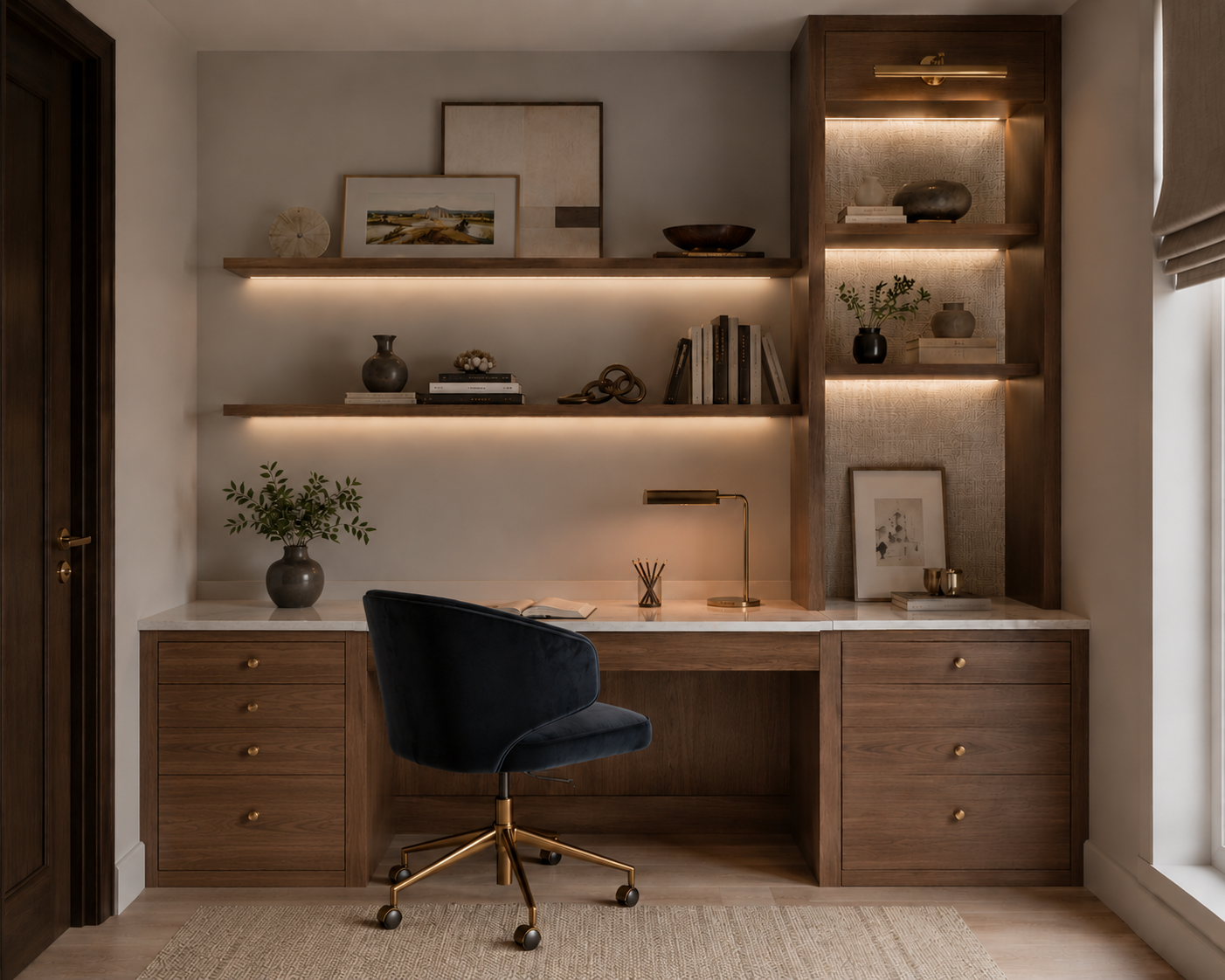
Small changes with big difference: home office upgrades that actually improve productivity
Not every home office problem requires a renovation. In fact, some of the most effective workspace upgrades have very little to do with the desk itself. More often, they involve improving the way your designated office space functions and supports your daily routines. After all, productivity is rarely about working harder. You will increase your productivity if you find the right ways for you to reduce friction and distractions.
Here are a few changes we regularly recommend before considering a full redesign.

What does Home mean when you are rarely there?
There was a time when home was defined by permanence. It was a fixed address with familiar routines. Somehow, the repetition brought comfort to our lives as steadiness and stability were responsible for the tempo in which we lived.
In today’s fast-paced global village, for many people, especially in urban areas, life looks very different. Home exists between boarding gates and project deadlines, between Abuja and London. Late nights at work and early flights out are common realities to working professionals. Some people spend more time in hotels than in their living rooms and return home only long enough to repack a suitcase before leaving again.
And yet, the desire for home remains deeply human.
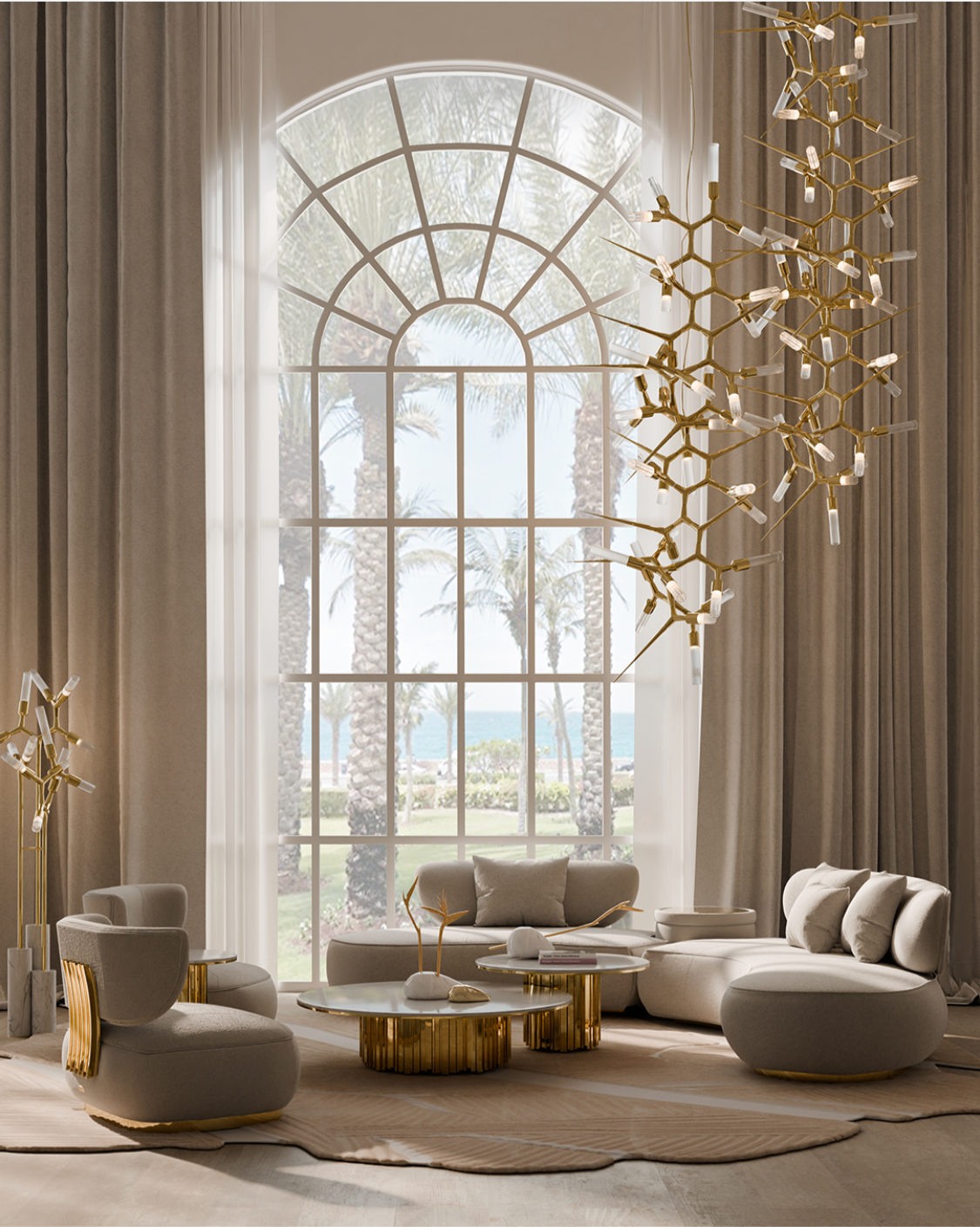
Quo vadis? Local craft versus imported luxury
There is a growing conversation within contemporary African interiors around what luxury should look like locally. Should we source entirely from abroad to achieve refinement? Or should we rely solely on local craftsmanship as an act of cultural preservation and economic support?
At AD Design, we believe the answer lies in the balance between the two.