
Quo vadis? Local craft versus imported luxury
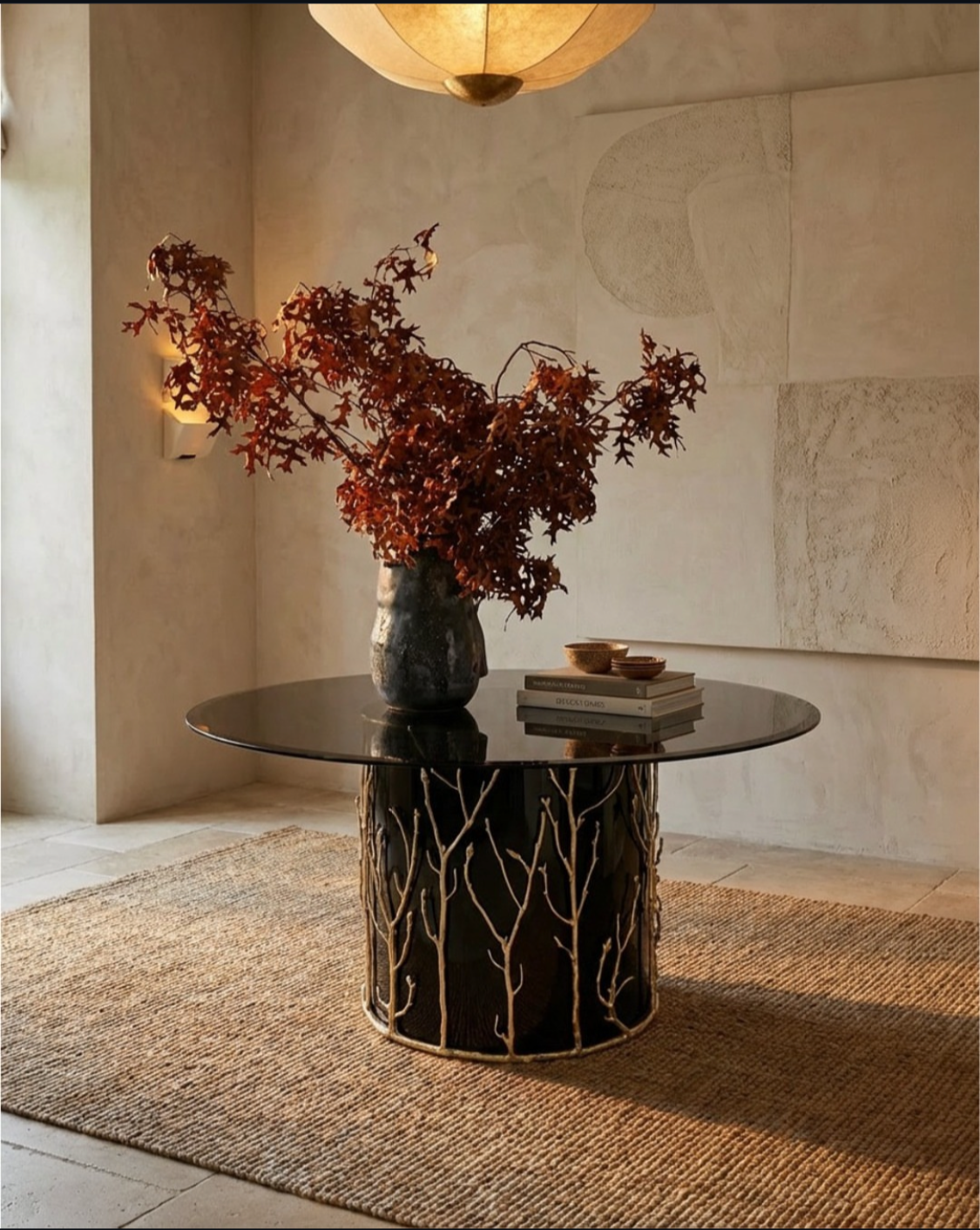
Design: Enchanted Table, KOKET
There is a growing conversation within contemporary African interiors around what luxury should look like locally. Should we source entirely from abroad to achieve refinement? Or should we rely solely on local craftsmanship as an act of cultural preservation and economic support?
At AD Design, we believe the answer lies in the balance between the two.
Dialogue between local craft and international pieces
The future of truly elevated interiors across Africa will not come from imitation, nor from rejection of global influence. It will come from dialogue. From creating spaces where local craftsmanship exists confidently alongside carefully selected international pieces. Where a hand-finished local woodwork detail can coexist beautifully with a sculptural Italian light fixture or a bespoke European furnishing. Not as competition, but as conversation.
The tension created between the familiar and the unexpected is often what gives interiors depth. It creates global relevance without losing identity. It pushes local makers, artisans, and fabricators toward greater experimentation, refinement, and output. And importantly, it allows clients to experience luxury in a more layered and personal way.
Defining luxury
Luxury today is no longer simply about importing expensive things. It is about curation, restraint, and intentionality.
This thinking has become particularly important within our current neoclassical mansion project, where work has recently resumed on site and where we will be refining the design direction more deeply in the coming weeks.
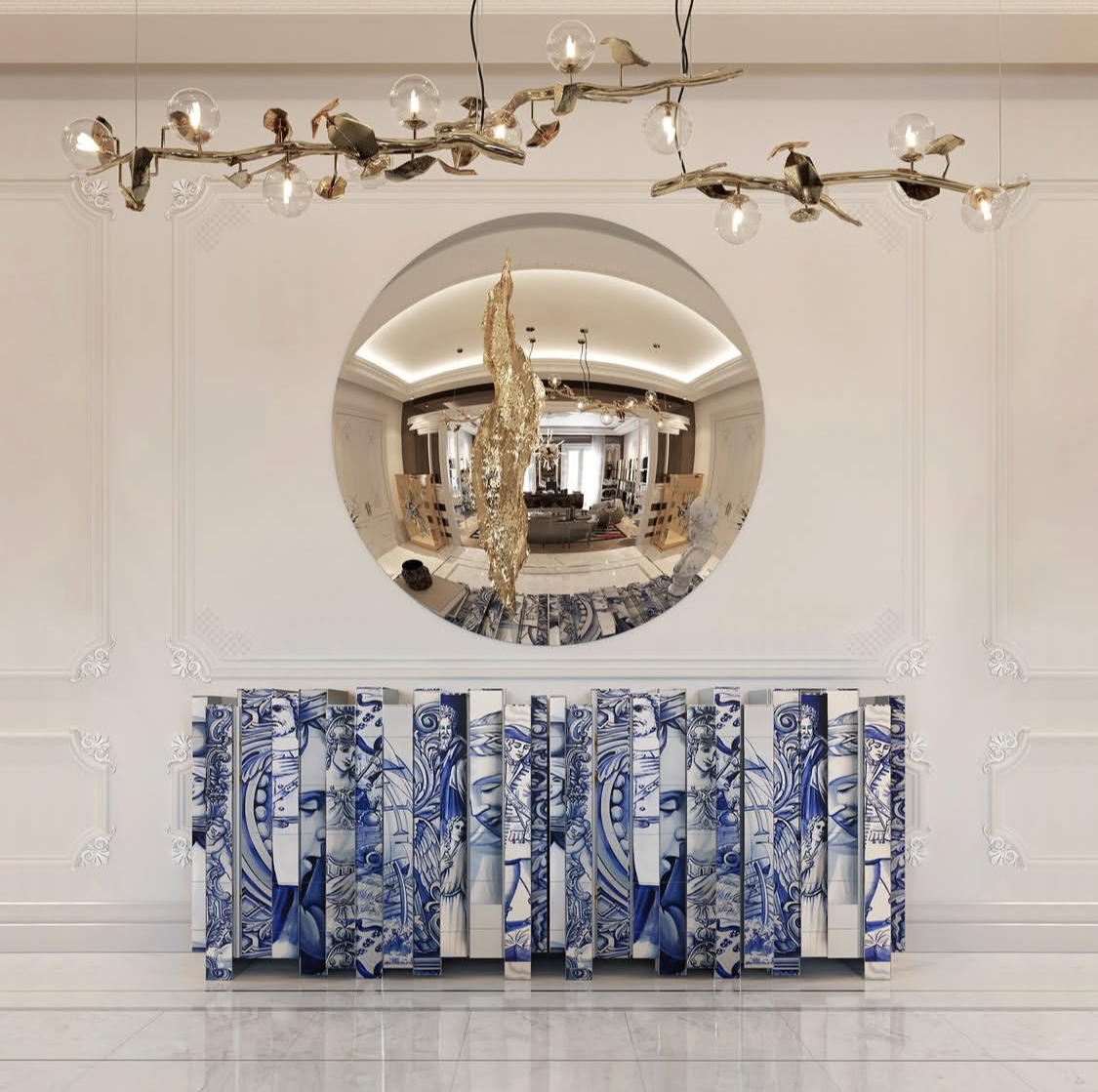
Photo: Boco Do Lobo
The home itself is expansive - approximately 600sqm of living space situated on nearly 2000sqm of land - and naturally calls for a sense of grandeur. But grandeur, when handled without restraint, can quickly become excess. Our approach instead is measured luxury: selecting a few moments within the home where bespoke pieces and elevated international design houses can truly shape the atmosphere and emotional experience of the spaces. These interventions are being considered very intentionally.
The dining room beneath the curved staircase, for example, presents an opportunity for dining chairs with sculptural finesse and case goods for quiet drama and elegance. The home art gallery and cinema room allow for a sculptural sideboard without being too performative. The formal living space requires presence and refinement, while the ante room as the first impression of the home must immediately communicate the sophistication and key style elements of the project. And perhaps most interestingly, the homeowner’s office, relatively compact compared to the scale of the house, is being approached as a “small but mighty” space, where one carefully specified light fixture has the power to completely transform the atmosphere into something cinematic and quietly grand.
These are the moments where imported luxury pieces can elevate a project when used with care. But not everywhere and not all at once. But precisely where they matter most.
Raising the standard with points of inspiration
At the same time, these global references become important points of inspiration for local craftspeople involved in the execution of the project. Exposure to higher levels of detailing, materiality, proportion, and finishing ultimately raises the standard of what becomes possible locally. And that exchange is valuable to us.
The goal is not to replace local craftsmanship. It is to challenge and expand it. The most compelling interiors are rarely those built entirely from one perspective. In our view,. they are always layered spaces shaped by culture, travel, craftsmanship, memory, aspiration, and dialogue. We foresee a modern luxury in Nigerian interiors becoming deeply rooted, globally aware, and intentionally curated. And we are pleased to shape this reality with collaborations of luxury furniture houses from across the world.
