
Working with local suppliers - and why it’s both the hardest and most important part of what we do
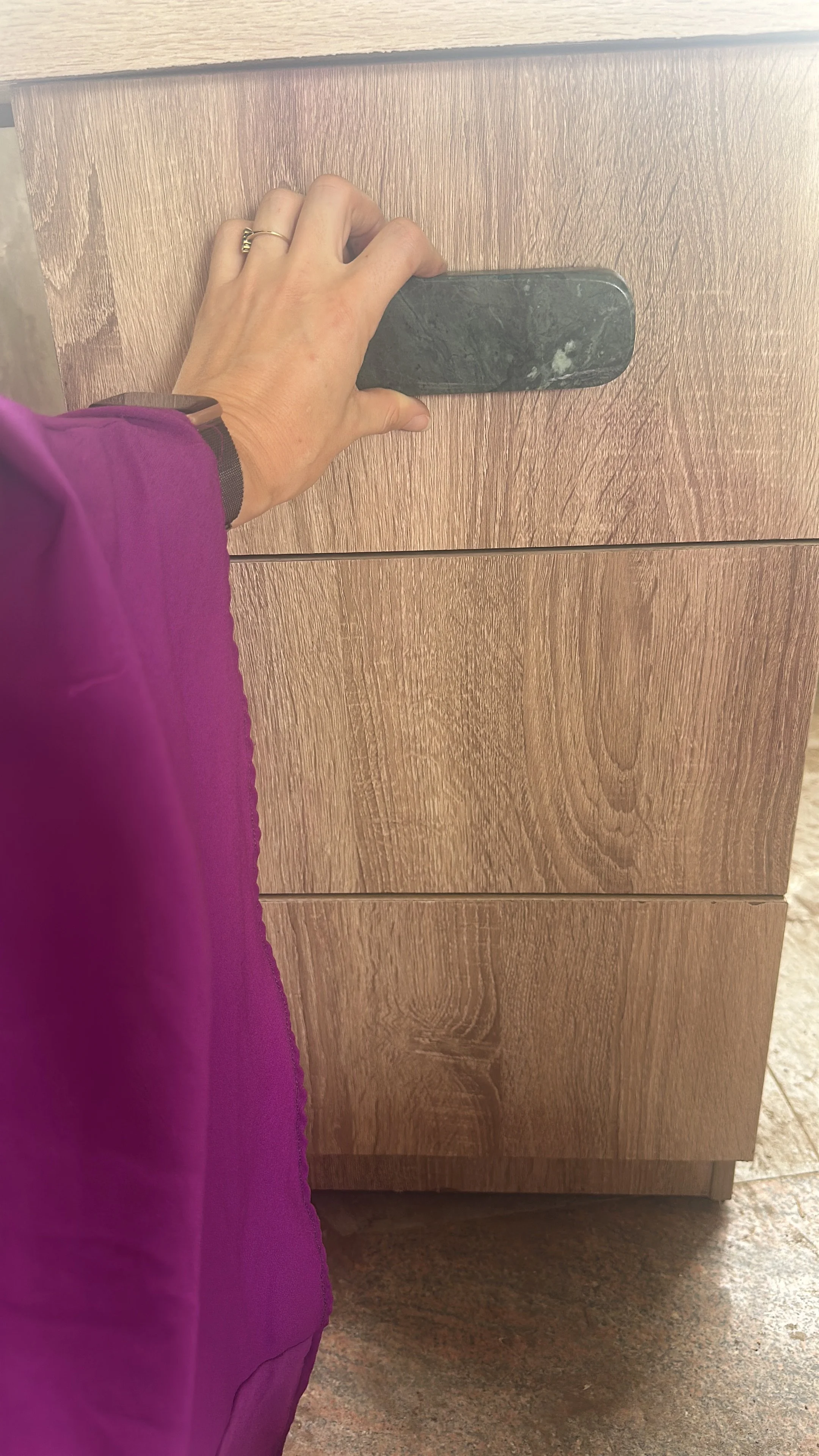
There is a version of interior design that exists online that is clean and beautifully finished.
And then there is the version that happens on site. Somewhere between drawings and delivery, intention and execution, there is a layer most people and even clients don’t see. I am talking about the moment where ideas meet reality. And in our context, it is where we work most closely with local suppliers and artisans.
This is not a complaint. It’s the work. But it is, in all sincerity, also where many of the real challenges sit and where more honest conversations need to happen more often and openly.
Where things begin to shift
Timelines, for one, are rarely what they appear to be. A six-week lead time can stretch quietly into twelve, sometimes without clear updates, sometimes without a sense of urgency. And the difficulty is not only the delay, but the uncertainty around it. A message comes through: “60% done.” But what does that actually mean? No images. No breakdown. No revised date. And suddenly, decision-making becomes guesswork and careful project sequencing is thrown out of the window.
Proactive communication is still the exception, not the norm. Updates tend to arrive late, often without context, and rarely with solutions. When something goes wrong, which it inevitably does at times, the response is usually reactive: “I’m sorry.” But design doesn’t move forward on apologies, rather it moves forward on clarity only.
Perhaps the more difficult part is not THAT things go wrong, but that we had experiences when items were delivered, knowing fully well they are not right. For example, finishes that haven’t been properly checked. Or details that were clearly missed. Proportions that were not respected. And you wonder, not critically, but genuinely, why bring something to site that you already know doesn’t meet the standard? Because at this point, the cost is no longer just material. It’s the time and momentum for certain, and ultimately trust. Which is the most expensive currency.
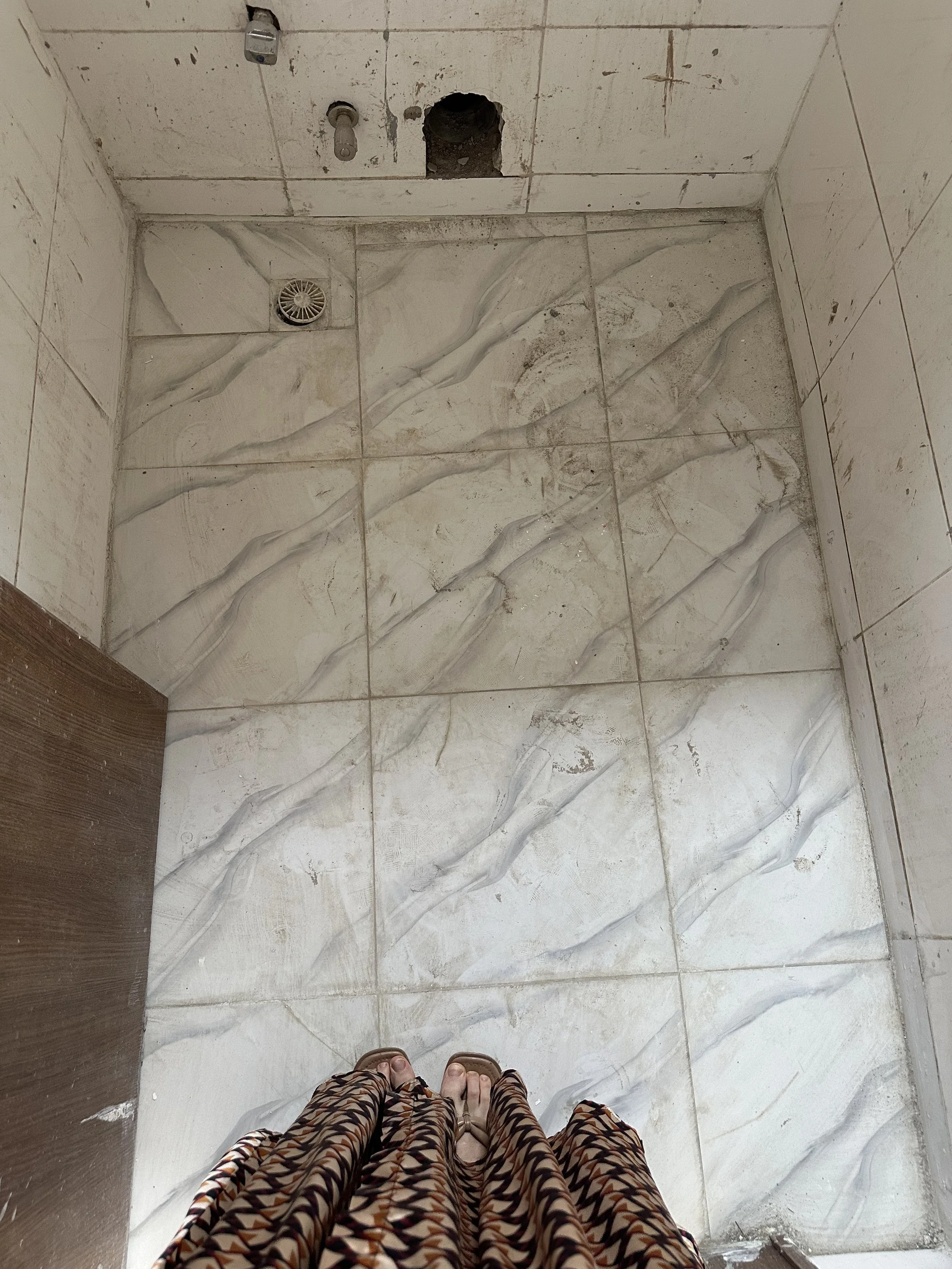
A site inspection with poor tiling finishing, done by contractors before our involvement.
It’s not about background
One of the more surprising realities is that this is not about the level of education. We have seen the same issues across the board: with highly educated suppliers, as well as those who learned entirely through hands-on experience. Consequently, this suggests that the challenge is not knowledge or exposure alone. It’s attention or the lack thereof. Mere oversight. Or can we call it lack of pride in the final detail?
Why moments like these test our patience in particular is because we see the talent. As with many things here, there is huge potential thanks to the depth of craftsmanship that, when it works, is exceptional. This is exactly why we remain committed to producing locally and working custom wherever possible. But we ought to address the gap that is obviously there - between what is possible and what is consistently delivered.
Training is part of it. Structure can help too. Clear systems, quality control, accountability - all of it matters. And yet, even measures that are meant to enforce discipline, like withholding payment, don’t always resolve the issue. Because I find myself believing that the root problem is often not pressure; it’s a lack of ownership.
What this means for our clients
It means that a significant part of our role happens behind the scenes.
Following up. Clarifying. Re-checking. Sometimes pushing harder than we would like to. Not because the process is broken, but because it requires more involvement from our end to reach the level of finish we expect. While the process may not always be linear, the intention remains consistent: to deliver a space that feels considered and complete.
This is something many designers, builders, and project teams are navigating. What has worked in improving accountability and quality? How do we build systems that support better outcomes, consistently?
A way forward
What is missing is consistency and we are convinced that this is something that can be shaped through better systems, clearer expectations and more accountability on all sides, including ours. This is just as important as building relationships with suppliers that feel less transactional and more invested.
Because when it works, the result is astonishing. And that, not occasionally, but consistently, is the standard we keep pushing for and working towards. Ultimately, this is why we offer project management in addition to mere design services as THE key for creating successful and timeless spaces.
