
Biophilic Design: Finding the Balance Between Beauty, Health, and a Living Home
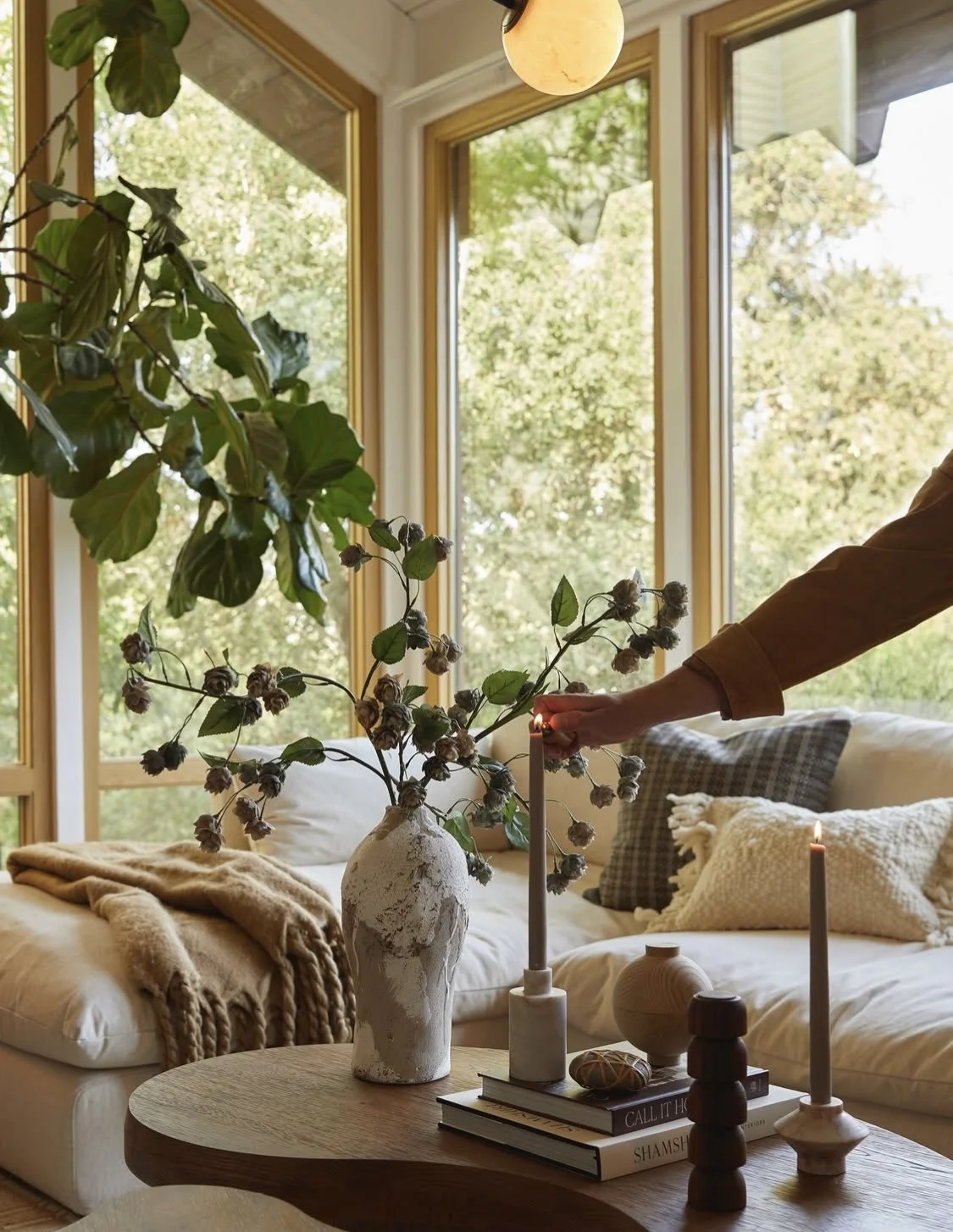
There are many movements within interior design that come and go, but biophilic design - design that intentionally connects people with nature - has never felt more relevant.
In a world where our lives are increasingly dominated by screens, sealed buildings, and artificial environments, the desire to bring life indoors is almost instinctive to many.
Years ago, during an interview I did at Strobie Café with Ahmed Mohammed as part of his YouTube series “Creative Lounge”, we talked about this very idea: that every space deserves something living. Some sort of reminder of the natural world that grounds, refreshes, and restores us. At AD Design, this remains one of our core beliefs. And yes, we still avoid fake plants at all costs. Life deserves life.
But as biophilic design becomes more popular, a new question emerges: How much is enough? And can a space ever have too much nature indoors? Let’s explore the benefits, the possibilities, the cautions, and that delicate balance between sanctuary and overgrowth.
What Exactly Is Biophilic Design?
Biophilic design is more than adding plants to a room. It’s a design philosophy that integrates nature into interiors through:
• Natural light
• Fresh air and proper ventilation
• Plants, trees, and greenery
• Materials like wood, stone, clay, linen, and wool
• Nature-inspired forms and patterns
• Views to the outdoors
• Water features like fountains
• Organic textures and colors
It creates spaces where people feel calmer, healthier, and more connected to themselves and their environment.
The Benefits of Biophilic Design
1. Improved air quality & circulation
Plants can filter certain toxins and increase oxygen levels, but perhaps more importantly, biophilic design pushes for better airflow.
Open circulation, cross ventilation, operable windows, and breathable materials improve indoor air quality, which directly affects your focus, sleep, mood, and long-term health.
2. Reduced stress & mental fatigue
Multiple studies confirm what we intuitively know: nature calms our nervous system.
Exposure to greenery, no matter how small, reduces cortisol levels and supports emotional well-being. In homes with long work hours, or in cities with high pollution, these moments of natural rest matter.
3. Sustainability at the core
Biophilic design encourages locally sourced materials, long-lasting natural finishes, reduced reliance on plastics and synthetics, a mindful consumption and a, in general, deeper respect for the environment. It follows the basic principle that spaces that celebrate nature tend to care for nature.
4. Better acoustic comfort and a textural design language
Natural materials such as wool, wood, cork or clay absorb sound more softly. Also, natural elements are never flat. And, you guessed it, a favourite perk for us: they carry depth, grain, patina, and story because they age beautifully. Biophilic spaces feel richer overall because nature rarely repeats itself.
But What About the Downsides?
Yes, even something as beautiful as biophilic design comes with considerations.
1. Too many plants can disrupt function
A room filled with greenery is charming - only until it blocks pathways, interrupts sightlines, or becomes visually chaotic. Circulation is a core design principle that could turn an aesthetically pleasing spot into a functional mess. If movement suffers at the end, the design is no longer serving the home.
2. Poor plant selection can create humidity issues
Some plants release more moisture than others. In small rooms, bathrooms, or kitchens, this can lead to unwanted dampness if not paired with proper airflow.
3. Maintenance overload
A plant-loving home is a commitment. If you, as a homeowner, are not prepared for watering schedules, pruning, or soil care, the thoughtful design will end up stressing you or, even worse, dying plants defeat the purpose entirely.
4. Over-theming the space
You want to live in a jungle? Back your tent and live your life. Biophilic design, however, does not mean that you live in a greenhouse. It should be understood more as a philosophy of balance. Too many competing natural statements can overwhelm calmness rather than create it. So, can space ever have too much nature? This is the biggest debate. Some argue that nature can never feel excessive. But from an interior design standpoint, we think intentionally. Balance does matter. To us at AD Design, nature should support the space’s purpose, not dominate it. Your eye needs moments of rest.
So is there something like a sweet spot?
A living, breathing space that feels both curated and natural. Not styled to death, not abandoned to chaos. This aligns with what Ahmed Mohammed and I discussed: every space deserves something living, but design gives it structure.
How Designers Decide What’s “Enough”
1. Scale and proportion
A 3-meter fiddle-leaf fig in a tiny hallway? No.
A cluster of low, textural plants in a spacious living room? Yes.
2. Light and microclimate
Not every room is suited for heavy greenery. We honor the space instead of forcing it.
3. Material balance
Greenery pairs beautifully with: textured woods, earthy linens, raw stone, handmade ceramics and warm metals like bronze, gold or brass. Nature is more than plants.
4. Flow and circulation
The home must still breathe. As referenced in the interview with “Creative Lounge”, once you run into a cactus arm, you may want to reconsider your room layout and the amount and placement of your plants.
Our Position at AD Design
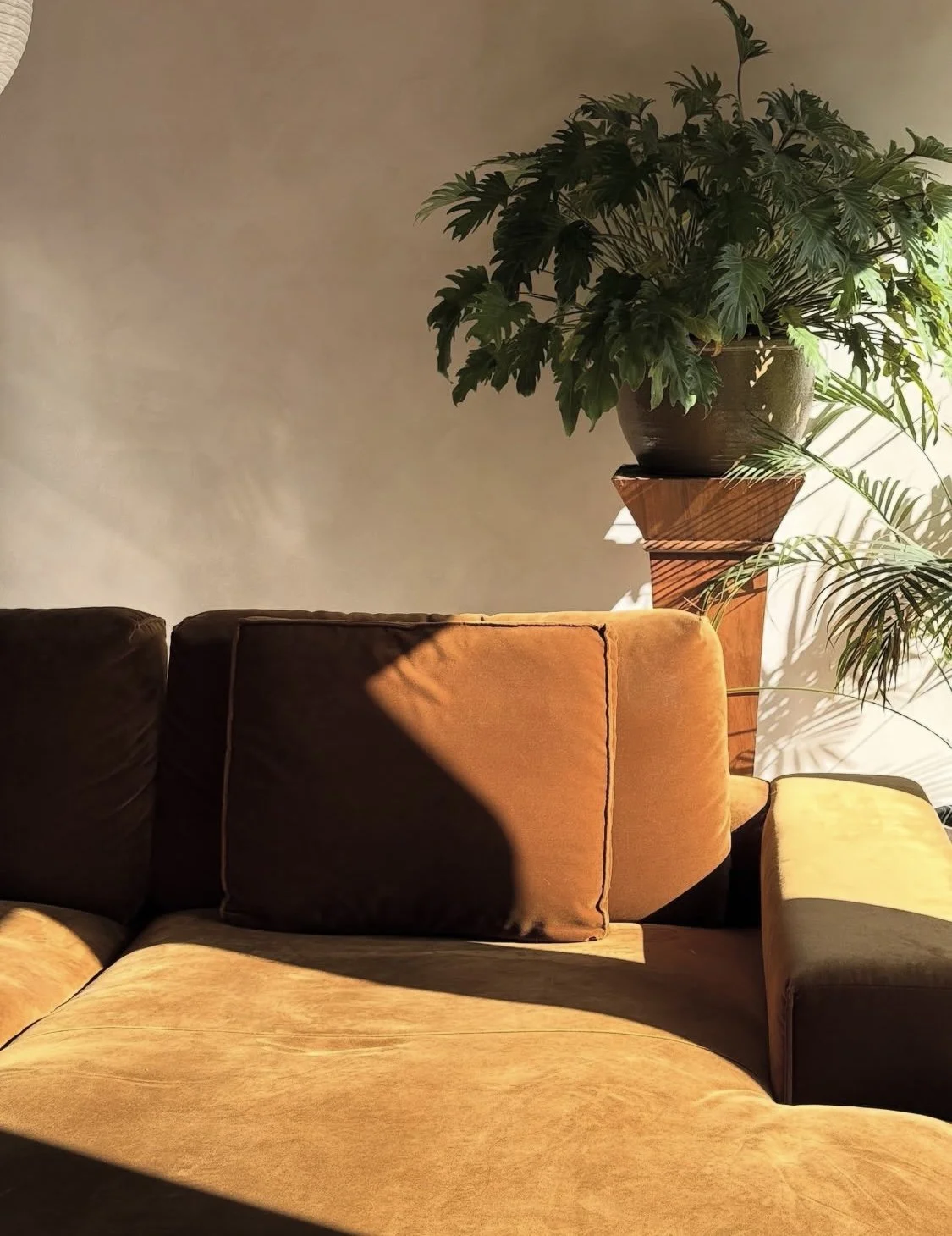
Biophilic design is one of the most human, practical, and emotionally intelligent approaches to interiors.
We believe in:
✔ thoughtful use of greenery
✔ better circulation and natural light
✔ material honesty
✔ sustainability
✔ consideration of air quality and health
✔ aligning nature with the architecture, not against it
We don’t believe in fake plants. We don’t believe in clutter. We don’t believe in forcing nature where it doesn’t fit.
We believe in living spaces: places that breathe, evolve, and nourish the people inside them.
Final Thought
Biophilic design is not about decorating with nature; it’s about DESIGNING with nature. When done well, you don’t notice the plants or the materials first. You will instead notice how the room makes you feel: calmer. Clearer. More grounded. More human.
