
Designing with the long view - a design perspective on sustainability
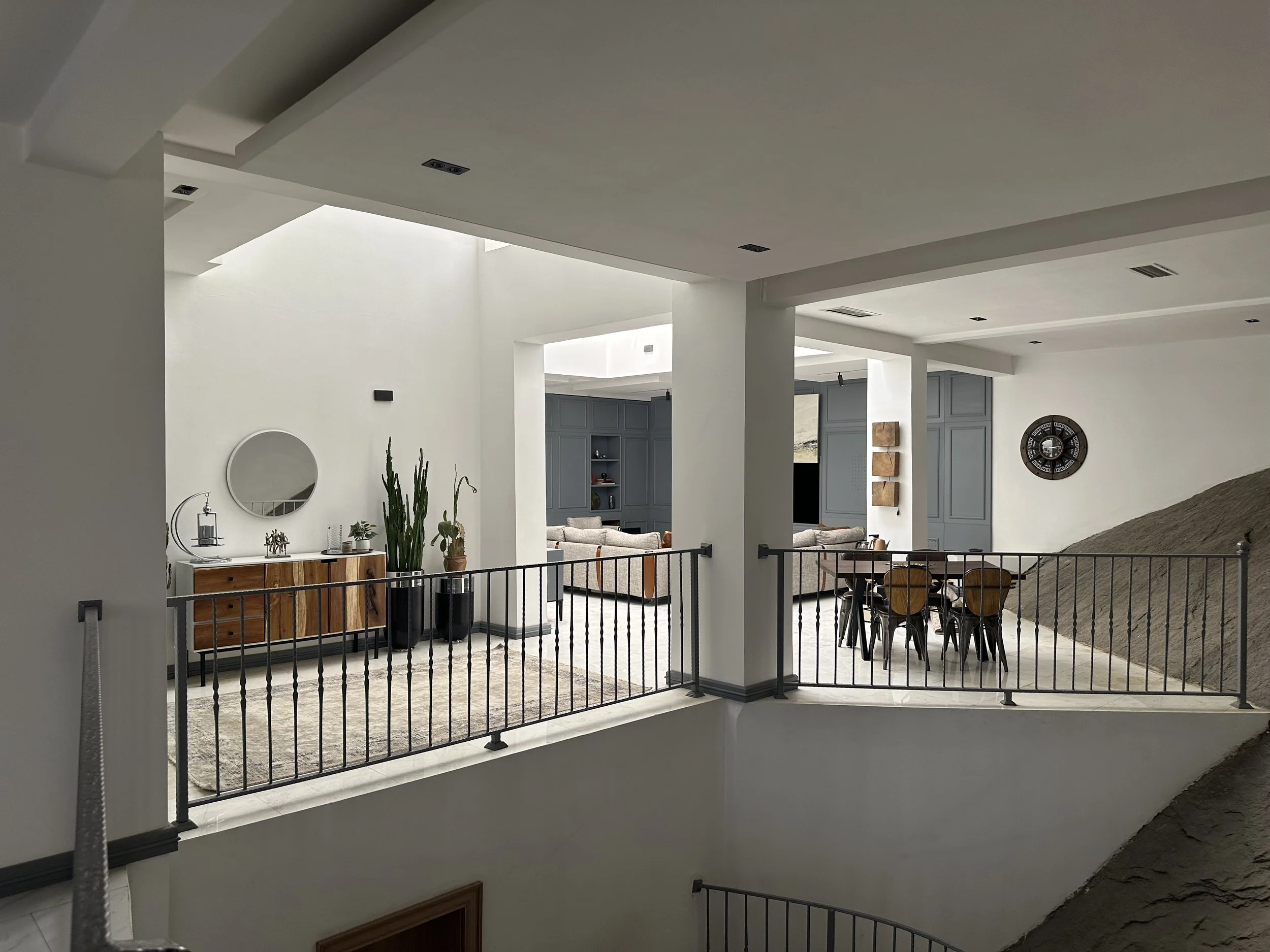
Rock House project (2022/23)
Sustainability is often spoken about in numbers: energy ratings, certifications, percentages saved. At AD Design, it begins long before a specification sheet or a sourcing list. It begins with how we see a place.
Every site carries a rhythm. A coastline along Lagos beaches breathes differently from a mountain; a city compound in Abuja holds a different tension than a quiet countryside retreat in Jos. When design listens first to light, climate, culture, and craft, it stops feeling imposed and settles. In such projects, architecture, interior, and landscape enter a quiet conversation rather than competing for attention. This is the moment when sustainability becomes instinctive rather than performative.
Designing Beyond the Moment
We live in a time of constant replacement. Trends arrive quickly and disappear just as fast, leaving behind rooms that feel tired long before they have truly lived. Our response is simple: we aim to design for endurance.
We choose pieces that carry weight, materially and emotionally. Furniture that improves with age. Finishes that develop character rather than demand renewal. Sometimes that means solid wood; sometimes it means a carefully selected veneer used with intention and respect. Sustainability, here, lies in discernment; knowing what truly needs to last forever and what simply needs to last well. Resisting change is not what we imply with longevity. Rather, we aim to create spaces flexible enough to evolve without losing their soul.
The Human Hand Matters
There is a difference you can feel when something has been made, not manufactured. Much of our work is shaped through close collaboration with artisans, i.e. woodworkers, metal fabricators, textile makers, whose knowledge is carried in their hands rather than manuals. These relationships slow the process in the best possible way. They introduce pause, imperfection and with it, authenticity.
In a world increasingly defined by speed, craft becomes a quiet act of resistance. It preserves skill, honours lineage, and roots design in something deeply human.
Nature as Reference, Not Ornament
We are not interested in mimicking nature. As a source of constant inspiration and reference, we are interested in learning from it when we plan and execute projects in design. Natural materials and textures found in materials such as stone, timber or the subtle irregularities of clay and plaster remind us that perfection is not the goal. These materials do more than decorate. In a white new-built with contemporary features and straight lines, natural materials having staying power to regulate and soften.
This is especially vital in fast-growing cities like Abuja, where density and pace can easily overwhelm the senses. Organic textures, natural light, and breathable spaces offer necessary balance. They reconnect us to something older and steadier than concrete and glass.
A Quiet, Lasting Commitment
For us, sustainability is not a label applied at the end of a project. It is a mindset that informs every choice along the way. It determines how we source, to how we design, to how a space is expected to live years from now.
We value what endures. We honour what is local. And we design with restraint, intention, and care. And this approach applies to both minimalist or maximalist spaces. Sustainability does not speak about whether a room shouts the loudest or exudes calm, but whether it continues to feel right long after the moment has passed.
If you would like to understand this philosophy more deeply, we invite you to read our Sustainability Manifesto in the About section of our website. It is where our values live, quietly guiding every project we create.
