
Sourcing for Lighting in Nigeria: between inspirations and realities
I particularly enjoy sourcing. It feels like a big playground of endless possibilities linked with the vision I would eventually have for the brand to grow into: featuring curated, well crafted pieces that you cannot just buy off the shelf. Think about the late nights scrolling through vintage Italian lighting archives or the bookmarked images of sculptural brass sconces from Parisian flea markets. Thinking myself back to London Design Harbour in Chelsea or roaming through 1Dibs latest listings online. Or simply sieving through my personal design library of countless design books. Globally, inspiration is endless. The references are rich, the ideas are refined.
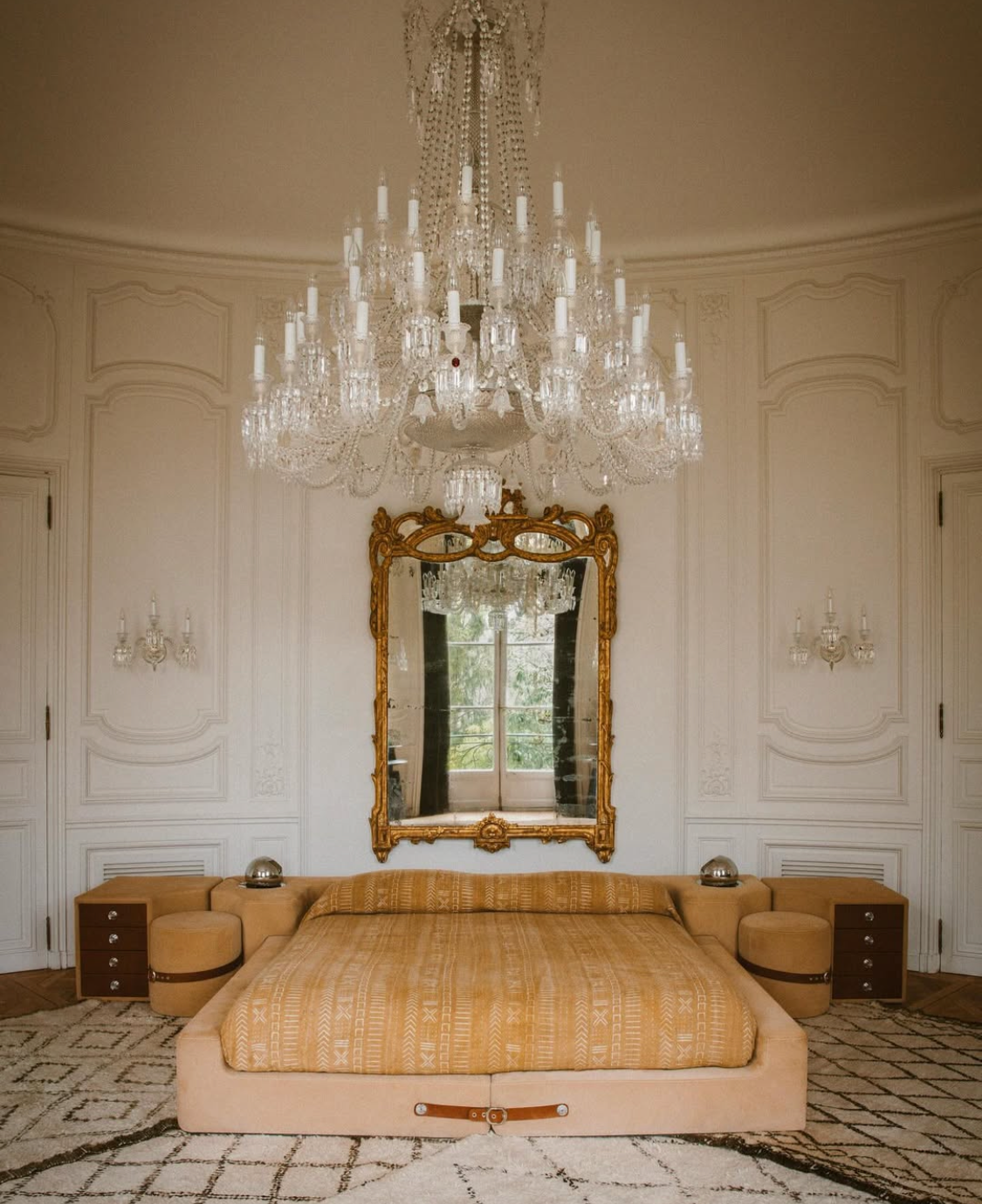
Lenny Kravitz Design
And then… you land back in real life. In-country. On-site. With timelines, budgets, availability, logistics, and the constant pressure to make it work.
Lighting, more than almost any other design element, exposes the tension between inspiration and reality in Nigeria.
The Challenge: When “Available” Is Not Enough
Lighting is not just functional. It sets mood, scale, rhythm, intimacy. It can elevate an ordinary room or completely flatten a beautiful one. And yet, sourcing lighting in Nigeria, especially pieces that feel timeless, well-made, and not overly trend-driven, can be painstaking.
There are fixtures that are everywhere. Once you have seen a pendant five times on your reel, three times in showrooms, and twice in magazines, it stops feeling special. It becomes visual noise. Trends move fast these days. What was once exciting quickly becomes overused. And personally, I struggle to specify a fixture once it feels “everywhere.” With design projects sometimes stretching over years, one has to be mindful to specify fixtures early on in a project that truly stand the test of time. Design should feel intentional, not algorithm-led.
Local Market Reality - Honestly
Nigeria does have lighting suppliers, and some are doing important work. Shoutout to those who try to stay ahead of the curve or at least expand the conversation: Mathline, Elior Lighting, Lushcribs, Lightinghaus, amongst others. They carry good pieces. They also carry… not-so-good ones. And that is the tension. Because suppliers respond to demand. People buy what they recognize, what is trendy, what feels safe.
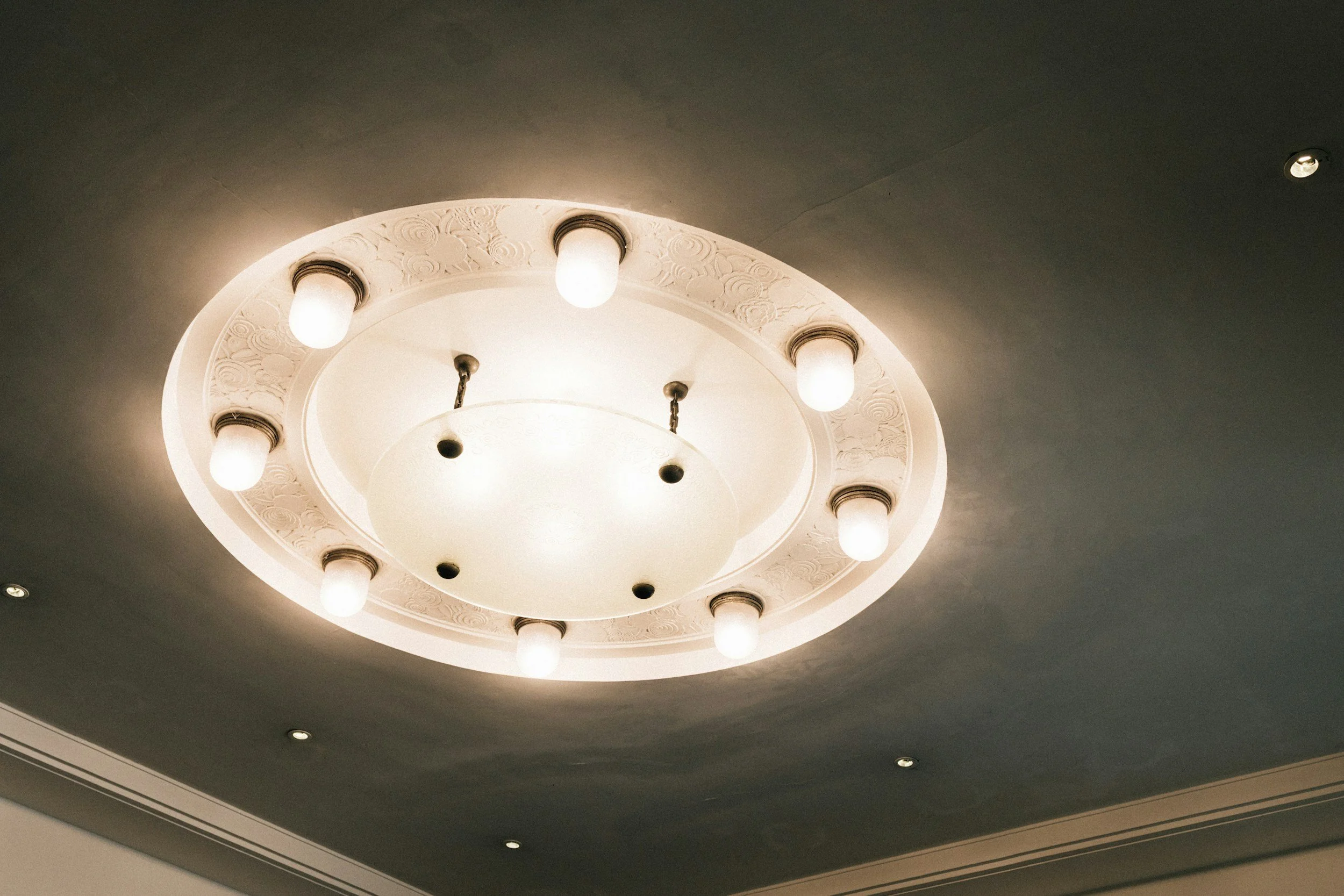
So yes, within many portfolios, there is quality - and also a lot of filler. As designers, the work becomes discernment: knowing what to extract and what to ignore. KARE, for example, has been a reliable source for me over time, especially for statement pieces that feel playful yet considered. But even then, I find myself craving something quieter, more classic, more rooted in longevity.
What I’m Craving Lately
Definitely less trend. More soul. I am craving vintage-inspired forms and design classics. I want to develop and see lighting plans that feel collected rather than sourced. With fixtures that don’t scream for attention but reward you the longer you live with them. Or, on the contrary, one of a kind fixtures that don’t scream trendy and leave a guest or a visitor in awe at the art that lighting can be. These kind of fixtures are harder to find. Not impossible, but harder. And that is where process becomes everything.
How We Circumvent the Challenge
Over time, I have learned that sourcing well in Nigeria is not about luck, but all about strategy.
1. Start earlier than you think
Lighting cannot be an afterthought. When it’s rushed, options shrink dramatically. Starting early allows room for research, comparison, preorders, and alternatives.
2. Be honest about the budget from the onset
Good lighting costs money. Not always extravagant money, but realistic money. When the budget is clear and committed early, doors open in many ways: preorders become possible, custom fabrication becomes viable and even international sourcing becomes strategic rather than reactive. Unclear budgets, on the other hand, delay decisions. And delays kill good sourcing always!
3. Pay when it is time, so that work can begin
This part matters more than people like to admit. Once budgets are approved and payments made on time, suppliers can:
Secure pieces
Lock in pricing
Begin fabrication
Place custom orders
Design timelines rely heavily on momentum. Once one item or trade is delayed, it can potentially affect the whole sequencing of a project.
4. Embrace custom and local craft
This is where Nigeria truly shines in my view! With enough time and the right budget, custom solutions are absolutely possible here. We have a huge pool of talented metal fabricators, skilled artisans and creative minds capable of translating concepts into physical form. With the right guidance, clear concept and attention to detail, going custom must not mean expensive per se. Going custom in Nigeria means the extra effort of intentional guidance and tedious materials sourcing, with a result that would give you truly one-of-a-kind, bespoke results.

Design wall sconces: AA Ibrahim
The Bigger Truth
Sourcing in Nigeria is demanding and requires patience, foresight, and trust.
But it is possible to do it well. With early planning, clear communication, thoughtful budgets and clients willing to invest in process, not just outcome, we can create spaces that feel original, grounded, and enduring. And perhaps most importantly, we can move away from copy-paste interiors and toward design that feels lived-in, layered, yet surprising. That, to me, is always worth the effort.
