
Designing for Real Life: When Interior Design Advice Needs Rethinking

On White Sofas, Perfect Rooms, and Designing for Real Life
Interior designers spend years training their eyes. We learn about proportion, materials, composition, and how spaces communicate visually. But there is an uncomfortable truth within the profession that is rarely said out loud: designers are not always right.
Or perhaps more accurately, designers are sometimes right for the photograph, but wrong for the life lived inside the space. The gap between a beautiful image and a livable home is where many well-intentioned design decisions begin to unravel.
The White Sofa Dilemma
The white sofa is perhaps the most famous example. It appears everywhere in design imagery. Crisp, serene, sculptural. In a photograph, it represents calm and sophistication. In real life, however, it can become a source of constant anxiety.
White upholstery rarely survives daily life gracefully, especially in homes with children, pets, or frequent entertaining. Even in quieter households, the maintenance required to keep it pristine often outweighs the pleasure of owning it.
Comfort presents another issue. A sofa can look perfect and still feel entirely wrong. Seat depth, back height, cushion density and fabric texture all determine how a piece actually performs. These things cannot be evaluated on a screen.
This is why we rarely recommend purchasing upholstered furniture online. A sofa is not a decorative object; it is a functional piece that should be tested, sat on, and experienced before it becomes part of your home. Good design should support life, not create new rules for how carefully it must be lived.
When Neutral Becomes Invisible
Another common tendency within contemporary interiors is the overuse of neutrals.
There is nothing inherently wrong with a restrained palette. In fact, when handled thoughtfully, neutral spaces can feel calm, elegant, and timeless. The issue arises when restraint turns into absence. Rooms composed entirely of beige, ivory, taupe, and soft grey often begin to feel anonymous. They may look refined, but they say very little about the people who live there.
A home is not a showroom. It should carry traces of personality, memory, and individuality. Colour, texture, art, books, and collected objects create the layers that give a room its character. Without them, even the most beautifully designed space can feel strangely empty.
The Storage Illusion
Perhaps the most unrealistic design trope appears in perfectly styled interiors that contain almost no storage. Beautiful rooms with endless surfaces and no shelving may look appealing in photographs, but they raise an obvious question: where does everything go?
People have belongings. Many belongings. Books, documents, objects, kitchenware, seasonal items, equipment, and the countless small things that accumulate through daily life. In smaller homes especially, thoughtful storage is not optional. It is essential.
This often means designing solutions that work harder: built-in cabinetry, vertical shelving, concealed compartments, and furniture that serves multiple purposes. Benches that store blankets, trunks that function as coffee tables, or cabinets that integrate seamlessly into architectural elements can transform how a space functions.
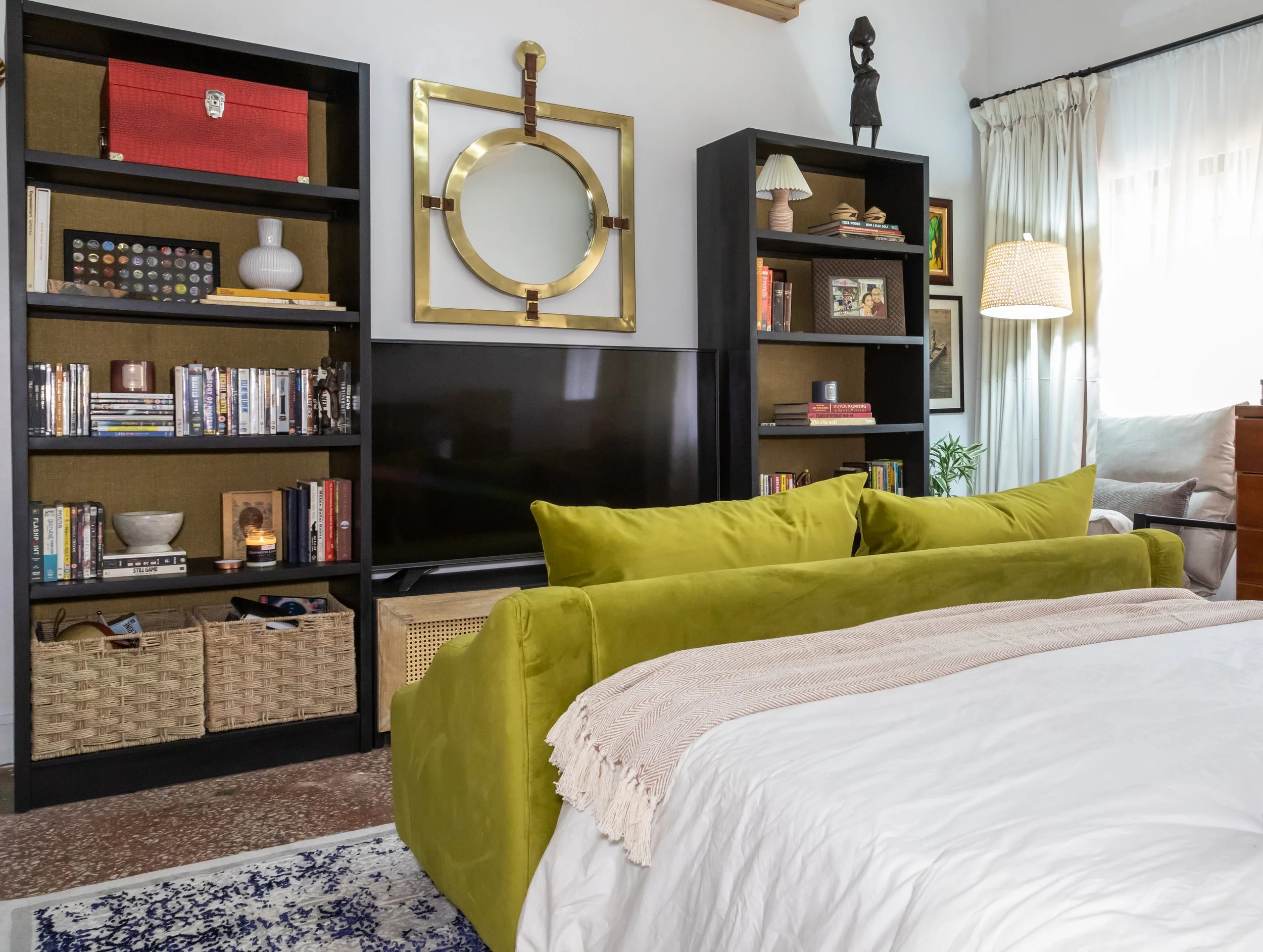
A room without storage rarely reflects real life. More often, it reflects a staging moment where the complexity of living has been temporarily removed.
Designing Beyond the Photograph
Design imagery has tremendous influence. It shapes expectations about how homes should look and often creates an illusion of perfection that is difficult, and unnecessary, to replicate. Real homes are dynamic environments. They host conversations, dinners, quiet evenings, messy mornings, celebrations, and ordinary routines. They contain objects that matter to their owners.
The goal of good design is not to eliminate these realities but to support them with intelligence and care. Beauty matters. But comfort matters just as much.
Objects That Work Harder
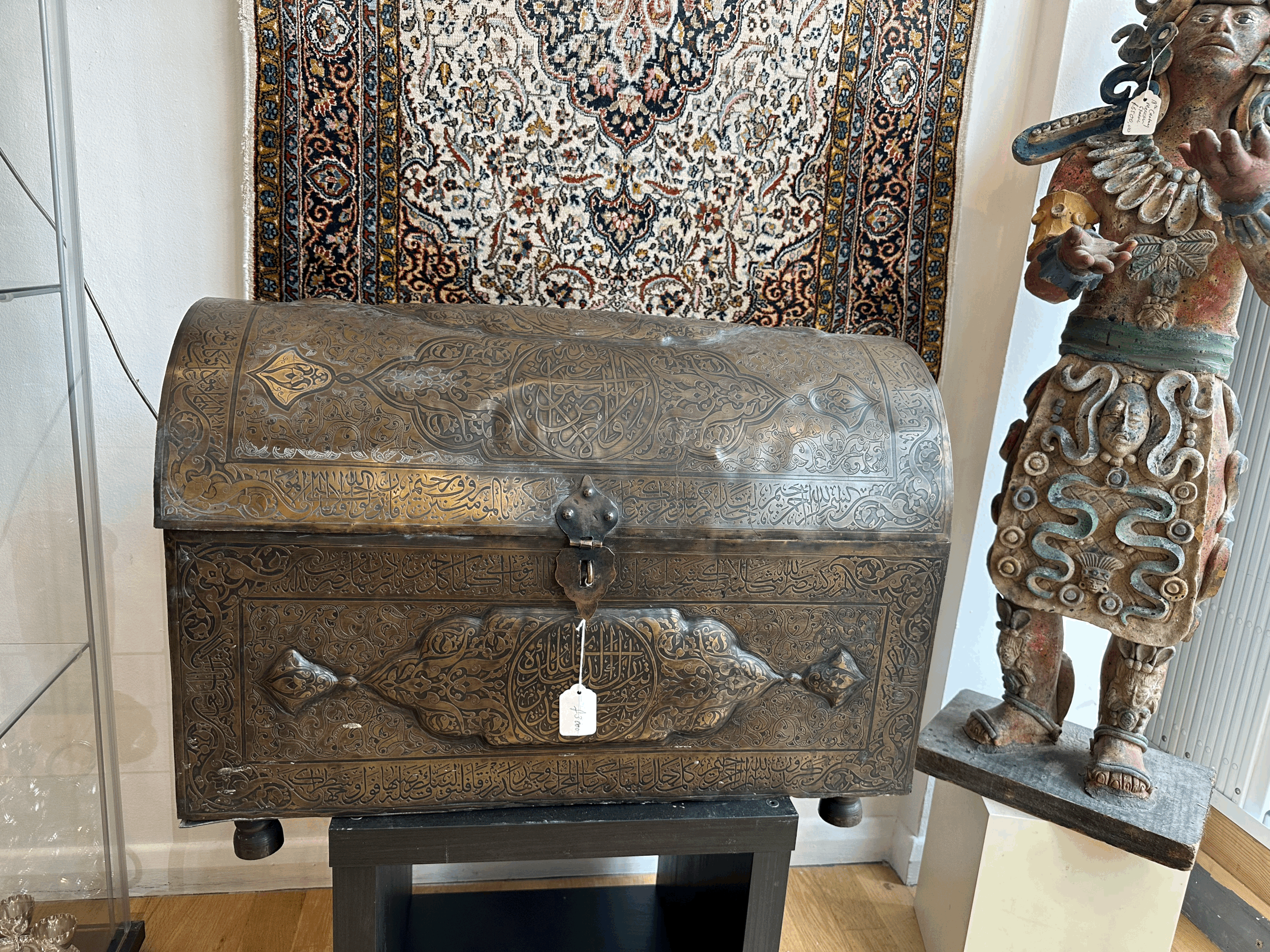
Storage does not have to feel purely functional. Some of the most beautiful solutions come from objects that combine practicality with craftsmanship. And the solutions are plenty: from antique trunks to handwoven baskets, decorative boxes or sculptural containers that have served this purpose for centuries. All these options store, conceal, and organize while contributing character to a space.
We have the ability to source such pieces globally for our projects when looking for objects that feel both purposeful and unique. We want them to carry both history, craftsmanship, and personality which are qualities that mass-produced solutions rarely achieve.
If you are searching for distinctive storage pieces, our studio regularly assists clients with global sourcing and selection. Our e-store will also be the right address to look for such unique finds in the future. Because we know that sometimes the right object is not something you find quickly. But it is always something worth looking for.
Designing for Life
I am of the conviction that well-designed home should never feel too fragile. Rather, it should invite people to sit comfortably, to place things down without hesitation, to live fully within it. Good interiors allow beauty and practicality to coexist without tension.
And occasionally, that means questioning design advice itself. Because the most successful spaces are not the ones that look perfect for a single moment. The ultimate experience is when a space continues to work, quietly and effortlessly, long after the photograph is taken. And nothing but this we are here to create.
