
Designing for Two
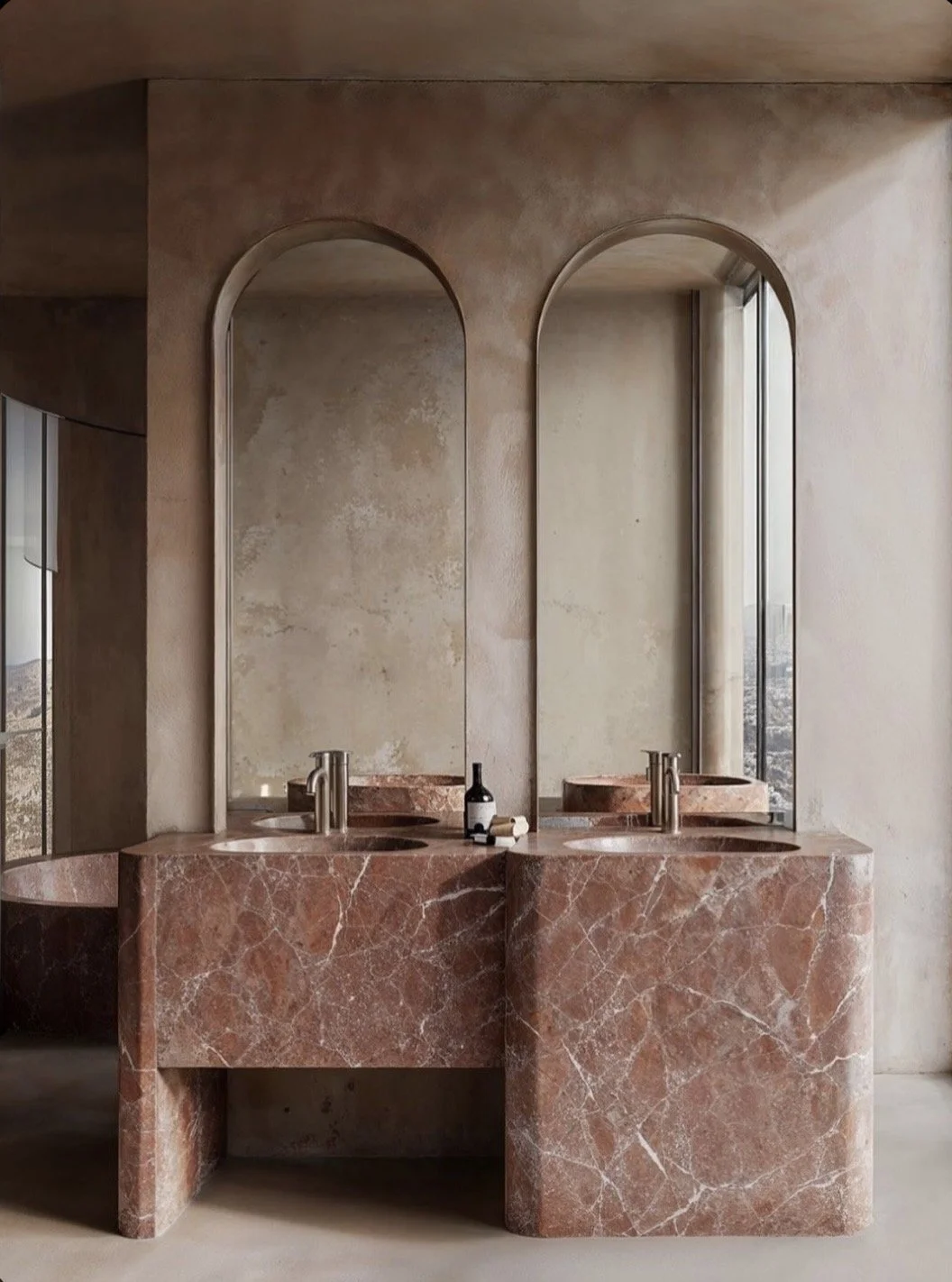
Photo: House of Paris Interiors
Designing for one person is already an exercise in translation: understanding habits, preferences, what someone says they like versus how they actually live. Designing for two is something else entirely. Because it’s rarely about “his style” and “her style. And it’s definitely not about merging two aesthetics into one polite compromise.
Designing for a couple means holding two different routines, two different ways of moving through a day, two different definitions of comfort - all within one space, without either person feeling like they have to adjust too much. And that’s the real brief.
It starts earlier than you think
Most people begin with aesthetics. Colors, references and preferences. But the real work starts in conversation. Who wakes up first? Who needs quiet, and who needs light? Who works from home, and who doesn’t? Where do you both end up in the evening, without thinking too much about it? These patterns matter more than any palette. Because what often looks like a style disagreement is actually a lifestyle difference.
One person wants a minimal bedroom. Not for aesthetics, but for calm. The other wants layers - not for decoration, but because it feels warm and lived-in. When you understand the why, the direction is not about blending two different needs, but finding an anchor that applies for both.
So meeting in the middle?
A common assumption that designing for two means meeting in the middle makes sense at first, but it rarely works. What you end up with is a space thats feel undecided. Instead, the anchor we could look for is a shared ground: a tone, a material language, a feeling that both people connect to - even if for different reasons. It could be a preference for natural materials or a shared love for darker, moodier spaces. A desire for simplicity (minimalist), but with warmth through layering of textures (maximalist).
Living differently, together
Two people rarely use a space in the same way, at the same time. One moves early, the other later. One might need a quiet corner in the morning, while the other needs a more active, social environment in the evening. We endeavour to honour these differences by creating layers within the same space. Zoning becomes essential, even if you live in an open floor plan or share a small studio apartment only. Subtle shifts ranging from lighting to furniture placement, materials or even orientation can make a difference. A bedroom can feel calm, while still allowing for personal expression on either side. The overall goal is not separation, but coexistence of different rhythms without friction.
Which role do I play as the designer?
In these projects, the designer becomes more than a curator of objects. You are translating, filtering, sometimes even mediating. You listen for what is said, and also for what isn’t, you identify patterns and have to notice where there is overlap, and where there is tension. And then you design in a way that reduces that tension by giving it structure instead of eliminating differences.
You can usually tell when it works. It doesn’t feel like a compromise or divided. It feels easy and settled. And both (love-)birds do too.
