
Let’s talk about Money
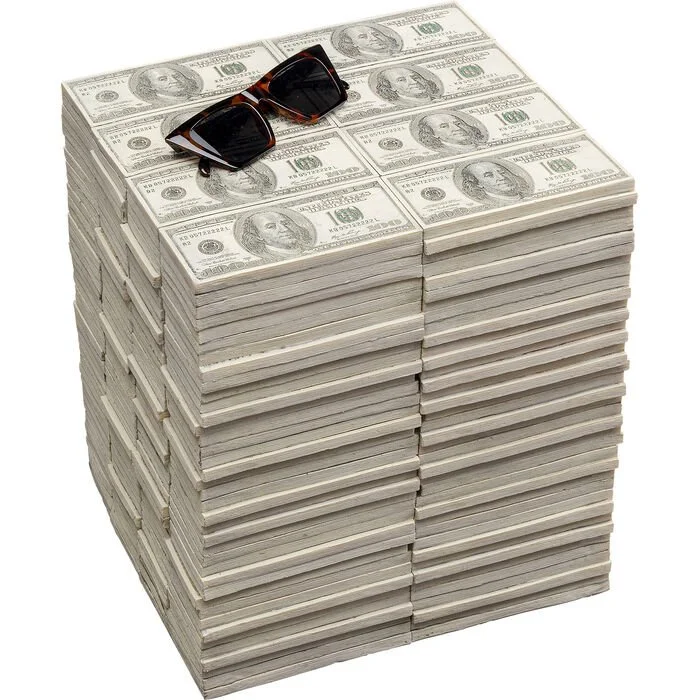
Photo: KARE Design
Money is probably the least glamorous part of designing a home. Yet it’s the conversation that determines almost every decision that follows.
Curiously, it’s also the conversation many people avoid. Clients arrive with hundreds of Pinterest images, mood boards filled with Italian furniture, handcrafted lighting and natural stone kitchens. Then comes the inevitable question: “Can we achieve this on a much smaller budget?”
Sometimes, yes. Often, no. And pretending otherwise serves no one.
Price and value are not the same thing
Perhaps the biggest misconception in interior design is that expensive automatically means overpriced.
Sometimes it does. But more often than not, price is reflecting something we don’t immediately see, like the cabinet that has been handcrafted instead of mass-produced. Or that the sofa was built with a hardwood frame rather than particle board. Certainly, it costs more if the natural stone was selected slab by slab instead of printed onto porcelain.
Some shout about artisans, but a good carpenter could spend days (or weeks) refining a detail no one will consciously notice, but everyone will somehow feel.
Quality is rarely loud, but reveals itself over time.
“Cheap” is often the most expensive decision
Everyone loves saving money, just like we do. But there is a difference between being economical and being cheap. One is strategic. The other is expensive.
The cheaper tap begins leaking after eighteen months, the low-quality hinges need replacing, the bargain dining chairs become unstable, the inexpensive paint needs another coat within a year. Or the wardrobe doors no longer align. Or, worse, the “good deal” flooring starts lifting.
Now you are paying twice: once to buy it. And again to replace it.
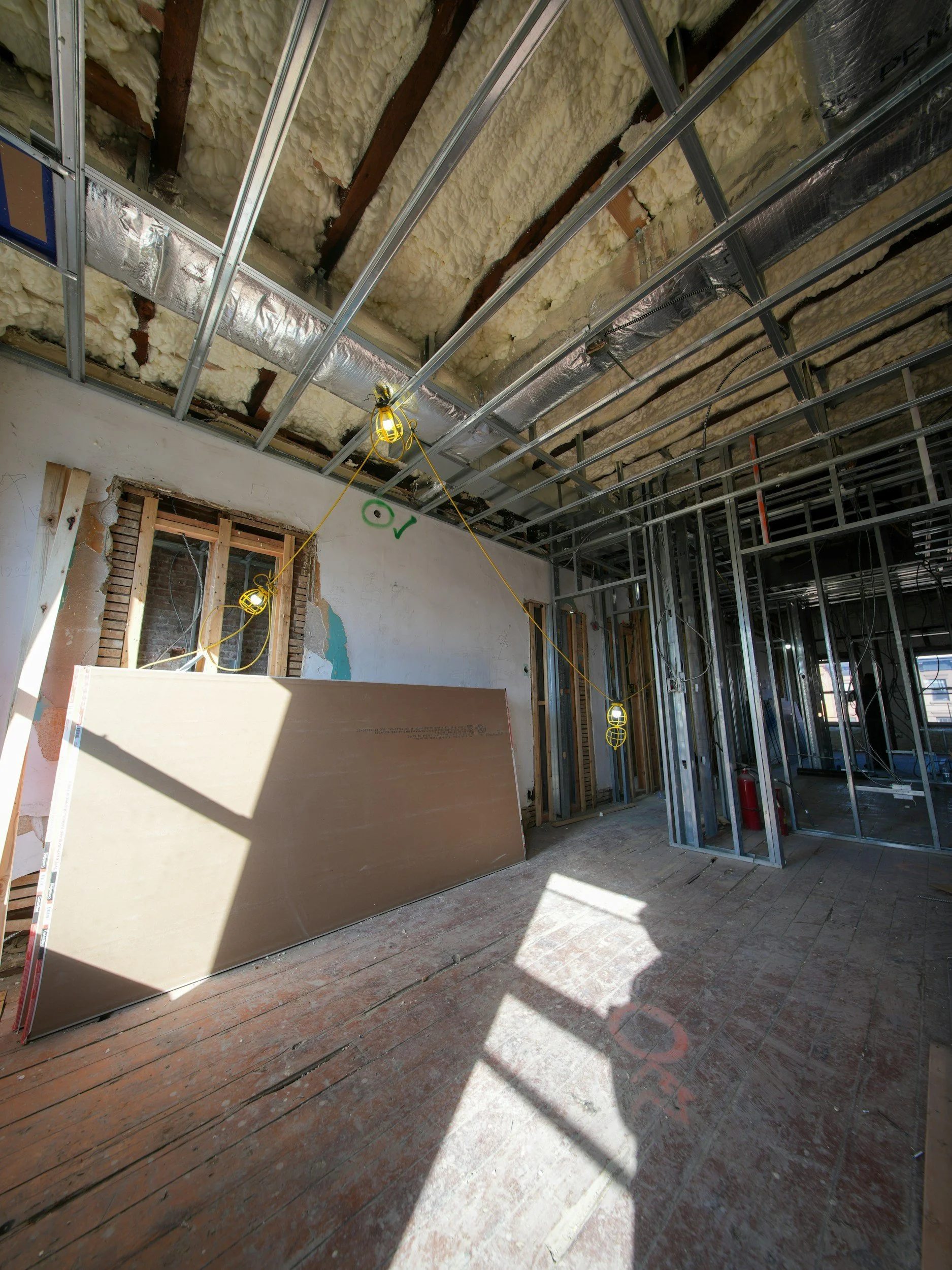
One of the costliest mistakes homeowners make is buying the wrong thing first. The expense isn’t just the product itself. You got to consider the labour to install it, the disruption of replacing it and the frustration of living with something that never truly worked. Once this becomes clearer, homeowners would be more aware that the real cost of a decision is rarely the price tag alone, but everything that follows. This doesn’t mean every project needs the biggest budget. Far from it.
Good design is all about spending wisely and your designer should help guide you where quality matters.
The most important number is the one nobody wants to share
Budget. Just as we all hate the word and wished there wasn’t any, it is important to face the facts; a realistic budget allows us to design honestly. Without it, we are simply guessing. A clearly communicated budget gives direction and helps us recommend the right materials, the right suppliers and the right priorities.
It also allows us to tell you when something is possible and when it isn’t. That honesty saves everyone time, money and disappointment.
Design as an investment
When people think about the cost of interior design, they often focus on what they are paying today and sometimes consider not involving a professional. “We can wing it” was always said before the cost of mistakes, replacements or delays became apparent. How do you even measure the cost of living every day in a home that never quite functions the way it should?
Interior design is not simply about making a space beautiful. It’s about making thousands of thoughtful decisions before they become expensive problems. That is where its value lies.
A conversation we always welcome
At AD Design, we don’t believe every home needs an unlimited budget. We do believe, however, that every project deserves an honest conversation about one.
Clarity about priorities, expectations and investment is half the recipe to a successful project. Because this clarity will help adjust the scope or phasing a project over time. Sometimes it means recommending that a client waits until the budget aligns with the vision rather than compromising on decisions they will regret later.
There is no shame in building a home in stages. There is only wisdom in building it well.
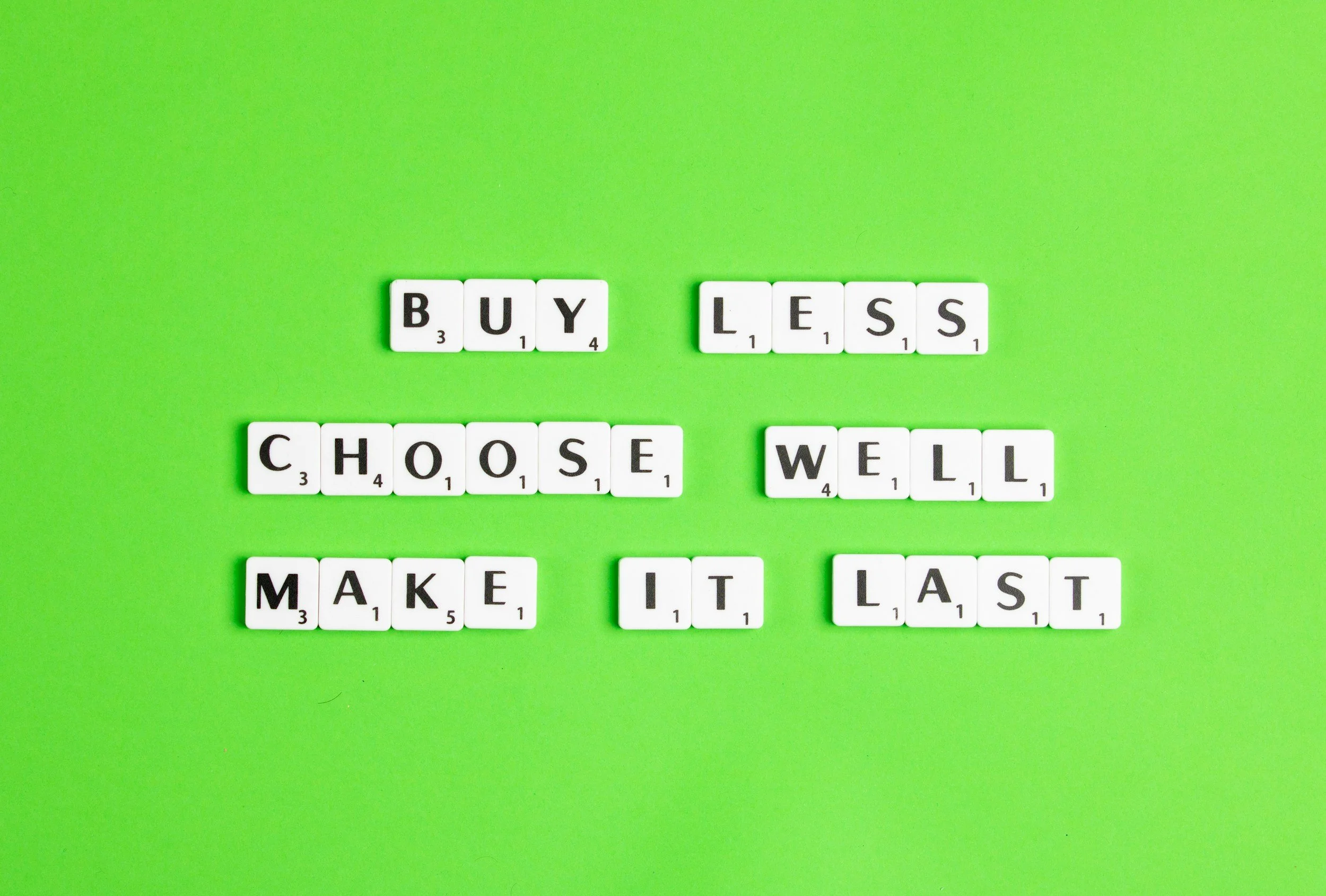
Because in the end, luxury has never been about spending the most, but choosing well. And good choices have a remarkable habit of paying for themselves.
