
Before air conditioners, Nigerian homes already knew how to stay cool. Maybe it's time we remembered.
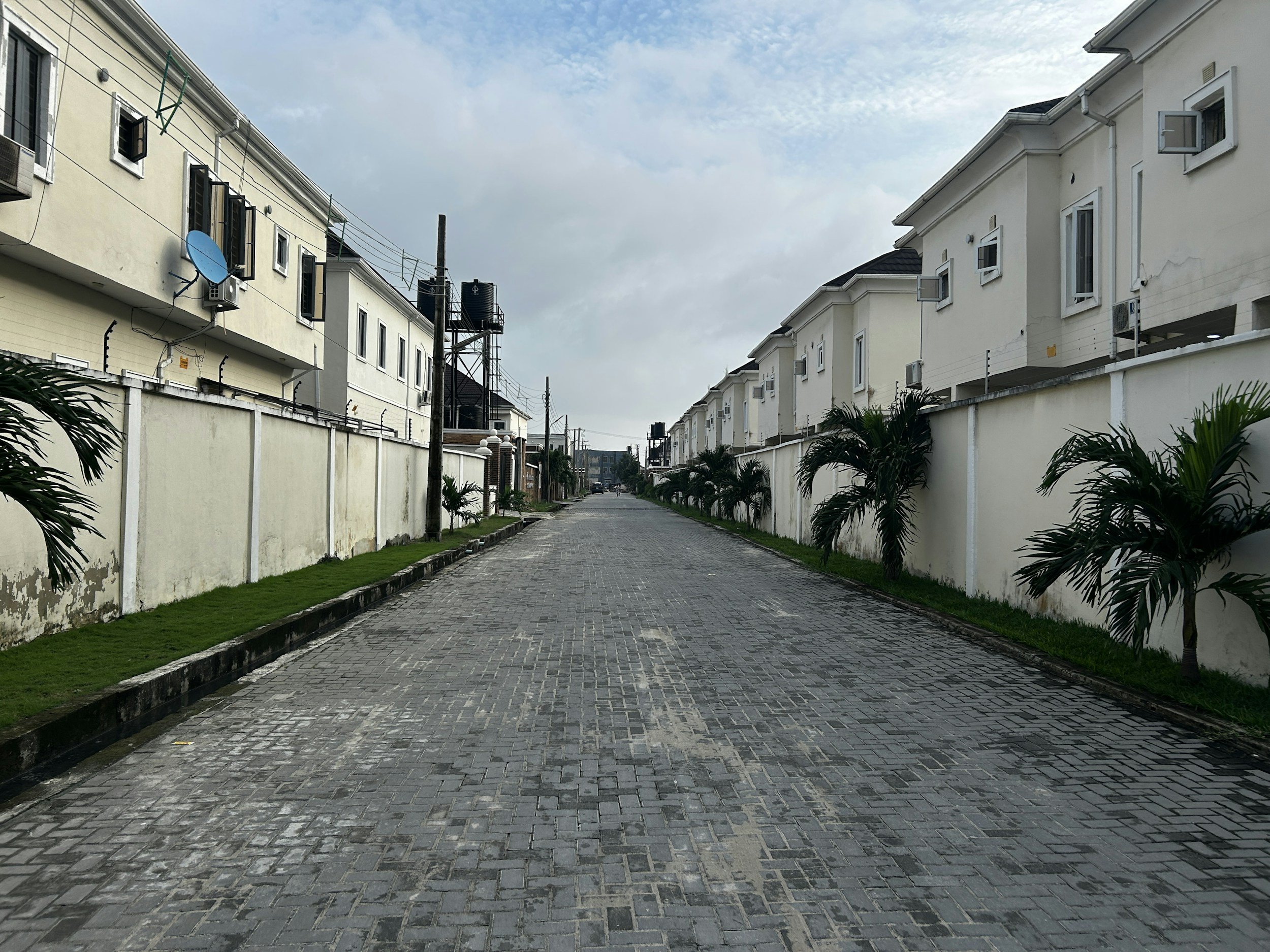
Photo: Mac Nzombola
Summer came early this year in Europe and it came hottttt. Most homes in Germany or other parts of Northern or Central Europe are not equipped with air conditioners as default and struggle to respond to the massive heat waves that are occurring more frequently due to global warming.
In Nigeria, however, 40 degrees, when in season, is not an exception. 34 degrees are totally normal. ACs, when affordable and in the city where connected to the national grid (sadly these conditions must be met first), are now a standard fixture in every room.
But there was a time when comfort wasn't powered by electricity. Long before air conditioners become a non-negotiable for those who could afford it, homes across Nigeria were already responding intelligently to the climate. They weren't designed to fight the weather, but were designed to work with it.
Compounds and courtyards welcomed daylight while encouraging natural airflow, windows were carefully positioned to create cross ventilation and mature trees shaded walls and cooled the air before it entered the home. Thick masonry walls absorbed heat slowly, helping interiors remain comfortable throughout the day - in the village just as in urban areas.
Today, many newly built homes tell a different story.
They are sealed and heavily glazed. Houses are built as close to the plot boundaries as possible, so that outdoor spaces are reduced to leftover areas, while interiors depend almost entirely on mechanical cooling.
Ironically, as our homes have become more technologically advanced, many have become less climatically intelligent.
So, with the Abuja International Housing Show 2026 kicking off today, it is time to remember what has worked in the past in order to respond to the climate challenges ahead.
Good design begins with climate
Architecture should always begin with one simple question: where is this building located?
Nigeria's climate is not the same as Northern Europe's, yet many contemporary homes borrow design languages developed for entirely different environments. Large west-facing glass façades, minimal roof overhangs and sealed interiors may photograph beautifully, but they often perform poorly under the West African sun.
Architect and climate pioneer Victor Olgyay, in his seminal book Design with Climate, argued that buildings should first respond to their environment before relying on mechanical systems. More than sixty years later, that principle remains one of the foundations of climate-responsive architecture.
Similarly, Egyptian architect Hassan Fathy, in Architecture for the Poor, demonstrated how traditional architecture in hot climates naturally achieved comfort through courtyards, thermal mass, shaded outdoor spaces and carefully controlled ventilation - long before modern air-conditioning existed.
These ideas are not outdated. If anything, they have become even more relevant.
What we used to know:
1. Houses should breathe
Cross ventilation remains one of the simplest and most effective ways to cool a home naturally. When windows and openings are positioned opposite one another, air moves through the building, carrying away heat and creating a far more comfortable indoor environment.
Air conditioning should enhance good architecture, but cannot compensate for poor design choices.
2. Verandas were climate devices
The veranda was never simply a place to sit. It shaded walls from direct sunlight, reduced heat gain, protected windows from heavy rain and created comfortable outdoor rooms that could be enjoyed throughout the day.
Today, verandas have often been replaced by decorative entrance porches that contribute little to the environmental performance of the home. With this development, we have lost more than a design feature as this was a way of living.
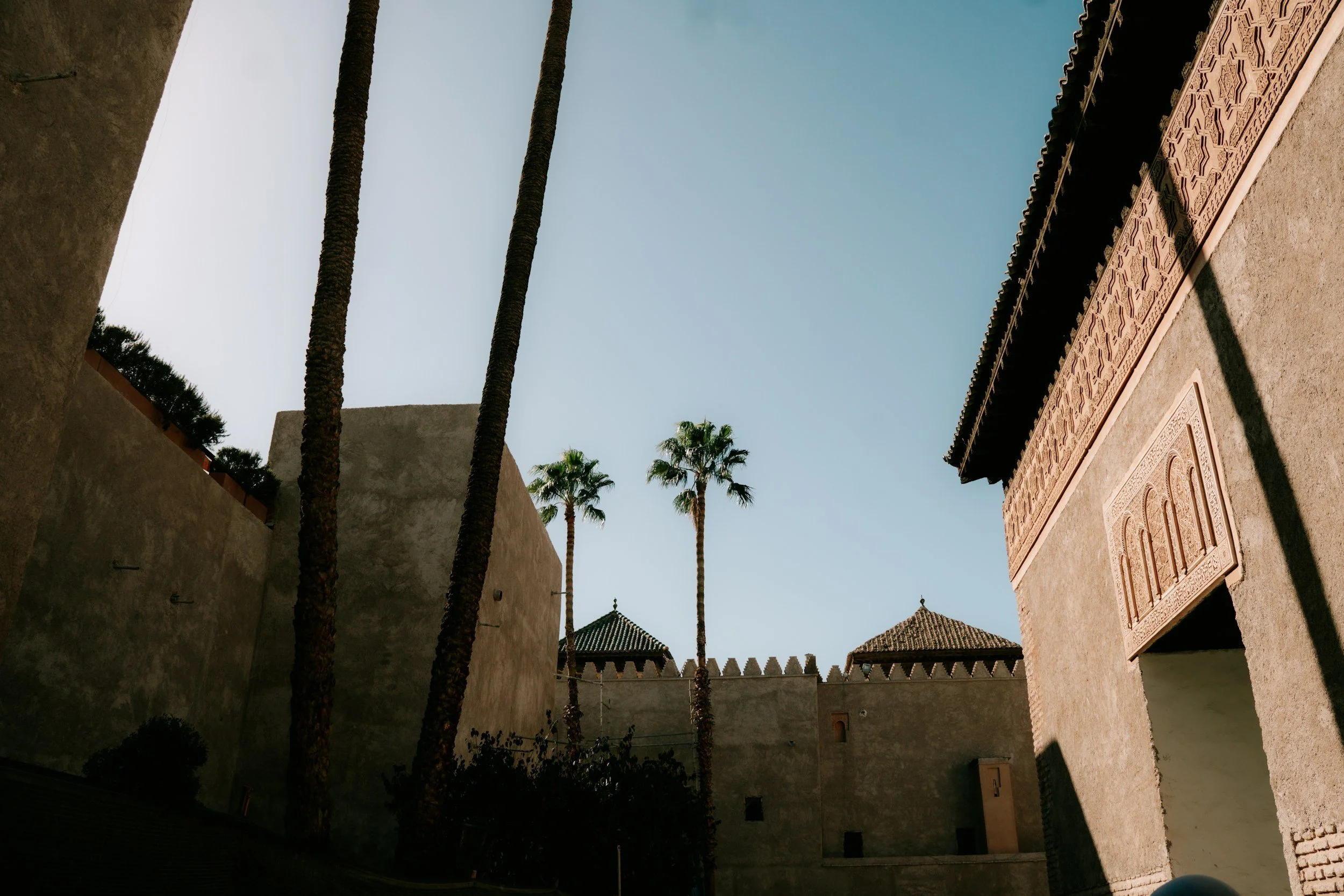
Photo: Maryam Tello
3. Courtyards created their own microclimate
Across Africa and the Middle East, courtyards have been used for centuries because they bring natural light into the heart of a home while encouraging air movement through surrounding spaces. Combined with planting and shaded surfaces, they create calmer, cooler environments that improve everyday living.
Perhaps, we should remember this instead of defining luxury as another formal sitting room. Having a quiet courtyard where you can watch the butterflies, instead of listening to compressors.
4. Floors matter more than we think
When selecting flooring, we often focus on appearance before performance. Yet in a warm climate, the material beneath our feet plays a significant role in thermal comfort.
Natural limestone, travertine, terrazzo, granite and polished concrete remain pleasantly cool because of their thermal mass. They absorb heat slowly, helping stabilise indoor temperatures while aging gracefully over time, and still look beautiful twenty years from now. We shared our favourite flooring collection on our instagram account for a full list.
5. Landscape is part of the architecture
Trees are not decoration, neither are gardens. Well-positioned planting provides shade, cools surrounding air, filters dust and softens reflected heat from hard surfaces.
The landscape should never be an afterthought, but should be part of the building's environmental strategy from the very beginning.
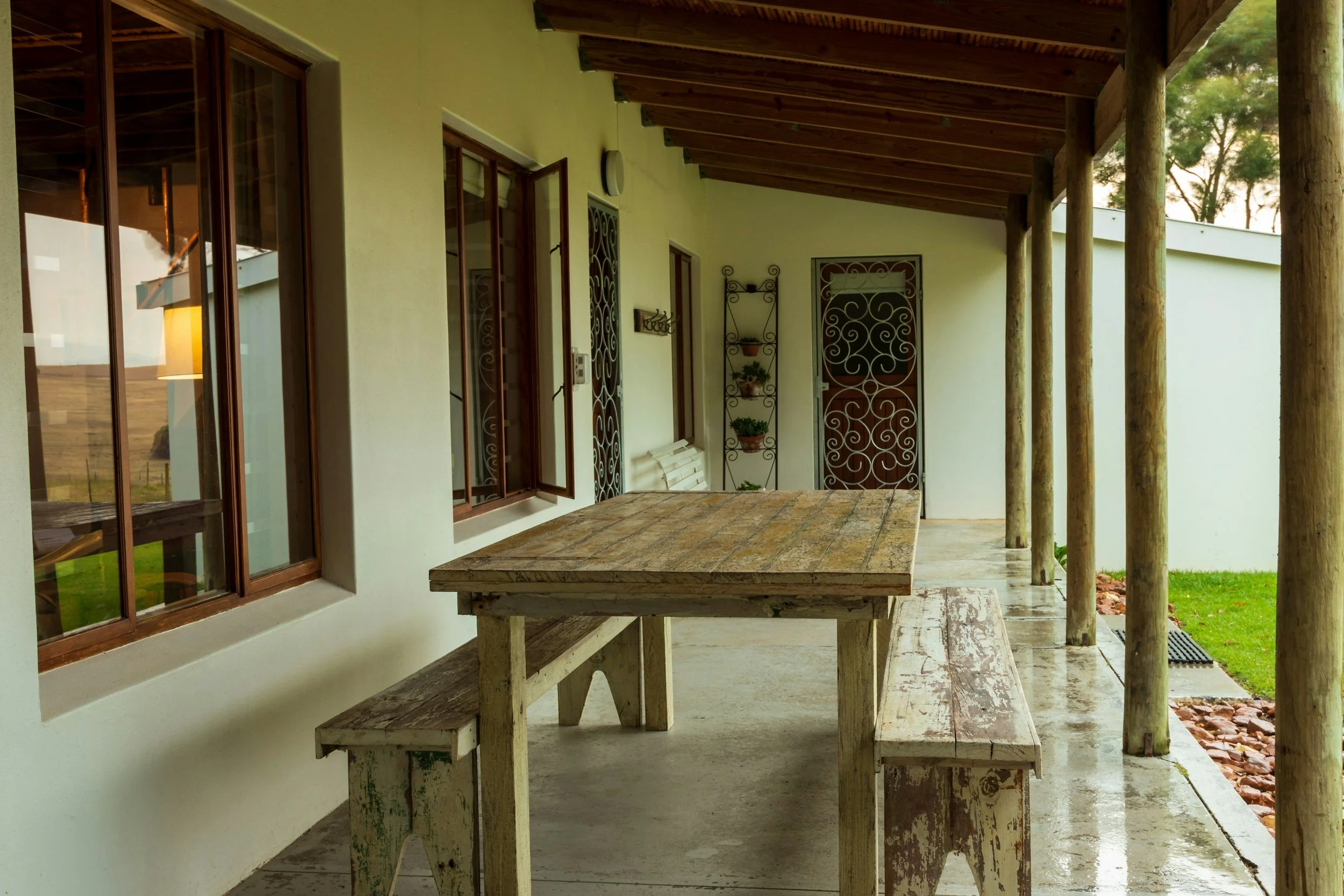
Photo: Grant Durr
Luxury shouldn't feel sealed
Perhaps one of the greatest misconceptions in contemporary luxury housing is that comfort comes from technology alone.
Many modern homes feel disconnected from their surroundings. In soooooo many Nigerian homes that I entered, windows stay closed and curtains remain drawn. No natural light enters and the whole lighting plan depends on electricity. And in urban areas, outdoor areas are rarely used because they were never designed to be comfortable in the first place.
As Nigerian homeowners grew their income, they have mistaken “sealed” for “secure”. Yet some of the most successful homes in tropical climates prove that privacy, security and openness can coexist beautifully.
How are we putting these principles into practice
At AD Design, these ideas are more than a design philosophy. We always think about the intricacies of the environment of every project.
One of our current residences in Guzape Hills, Abuja, is a perfect example.
We were involved from the very first meeting with the architect, allowing the architecture and interior design to evolve together from the earliest stages rather than treating interiors as an afterthought. From the outset, the brief was clear: create a home that responds to its environment as beautifully as it responds to its owners.
Cross ventilation was carefully integrated throughout the layout to encourage natural airflow. An internal courtyard forms the heart of the home, bringing daylight deep into the plan while creating a tranquil green sanctuary. Five generous terraces extend daily living outdoors, offering spaces to gather, retreat, entertain or simply enjoy the changing light and breeze throughout the day.
Rather than creating a home that depends entirely on air conditioning, the architecture itself contributes to comfort. The result isn't simply a larger house of 600sqm living space. It's a home that breathes and one that would feel connected to its surroundings rather than isolated from them.
To us, this is what contemporary African luxury should look like.
Looking forward by looking back
We cannot continue copying design trends that you have seen in Belgravia (London), Paris or Toronto. Their climates, despite the heat waves, are unlike our own in Abuja, Lagos, Kano or Maiduguri.
Building luxury homes in a sustainable manner should be done by rediscovering the intelligence that has always existed within our architecture.
Let us design homes around light instead of spectacle. Let us consider airflow and not block out windows for aesthetic reasons. Let us design around craftsmanship instead of excess and people instead of appearances.
We cannot afford to consume energy recklessly - even if we can afford it. Our world cannot and we should not repeat the same mistakes that the global north has done. Let us remember again how clever and in harmony with the environment we used to build houses before - and use this knowledge of material selections and orientation to build better in 2026.
We hope that this is the real future of luxury homes in Africa.
