Strawberry mocktail or basic lemonade?
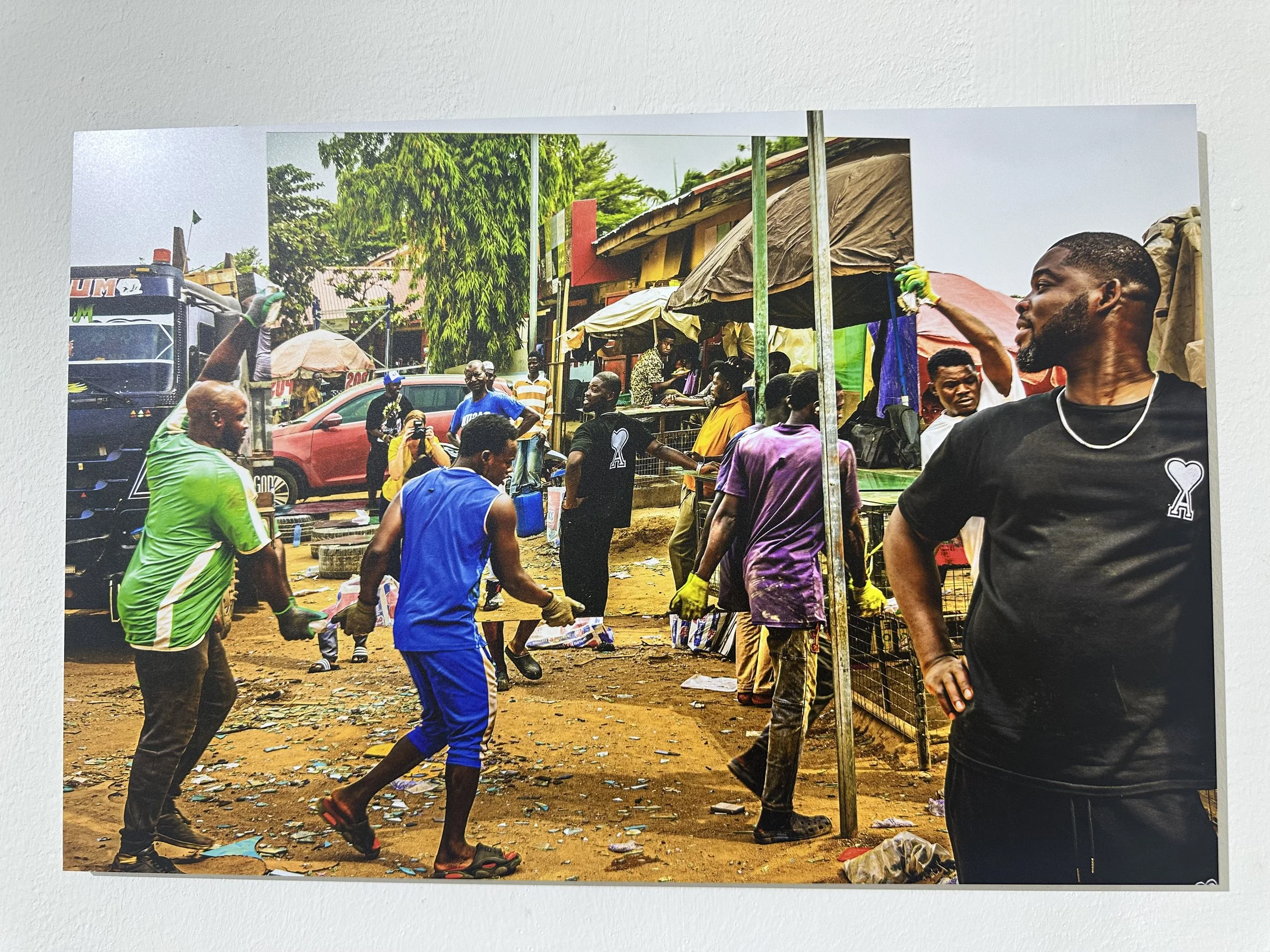
Photo by Katharina Sasse, Reflections and Flections exhibition, Kolanut Gallery
On mediocrity, mirrors, and the environments we expect excellence to come from
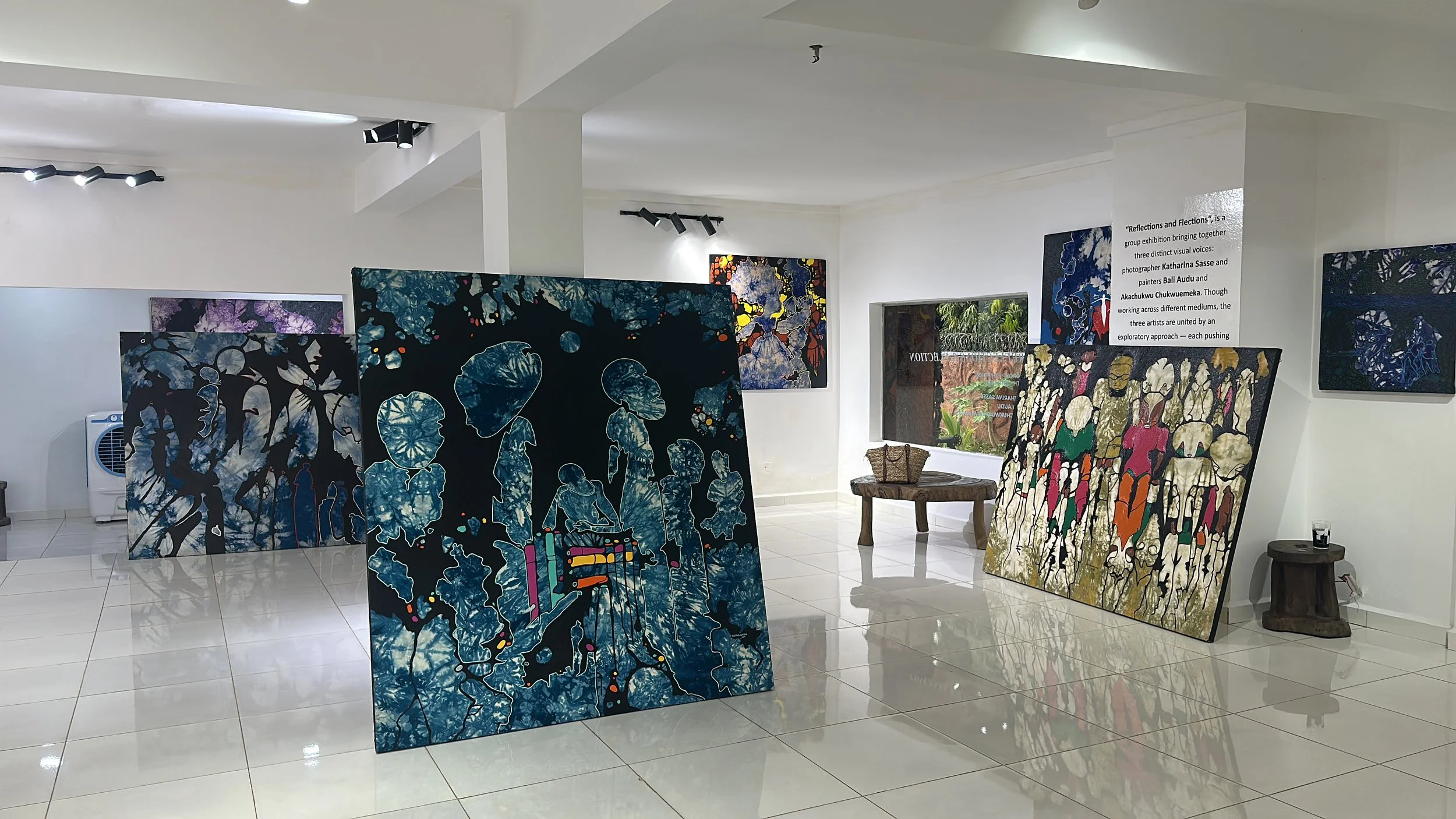
Yesterday, I visited Reflections and Flections at Kolanut Gallery, an exhibition featuring, among others, the work of Katharina Sasse, whose street photography I have admired for some time.
Although I thought I knew her work from a previous exhibition at Thought Pyramid, one series caught me in particular. It showed young men carrying large sheets of glass and mirrors through what looked very much like the Abuja Glass Market in Jabi. Dusty ground with lots of litter. Makeshift structures and fragile materials being handled without gloves or much protective equipment.
It was great documentary photography. And it made me think about a frustration I have been dealing with A LOT lately: what does the pursuit of excellence look like when the environment around you isn't necessarily built to produce it?
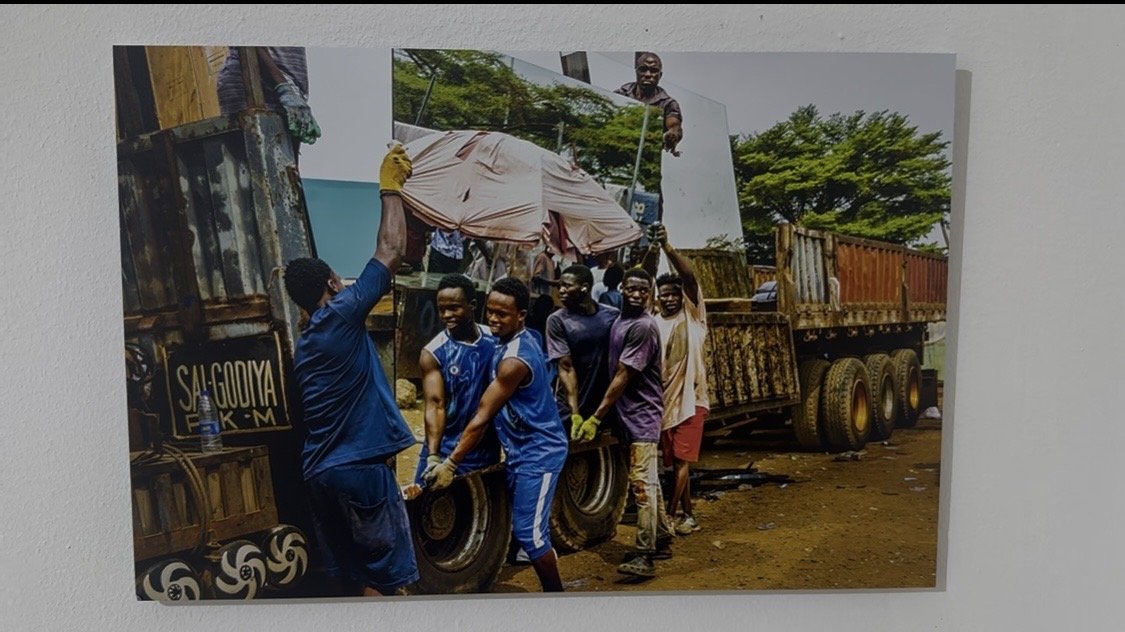
Photograph by Katharina Sasse
The mirror saga
I had planned to write about an ongoing mirror saga on one of our commercial projects.
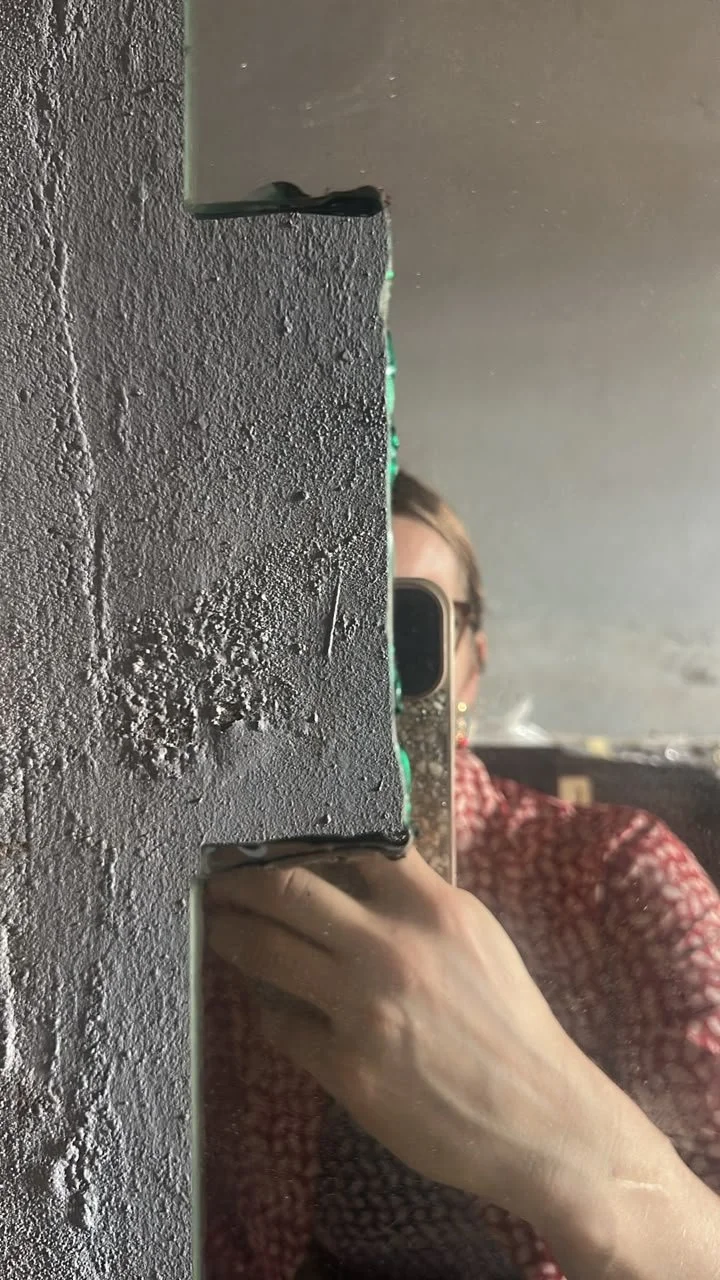
We specified a pair of mirrors with very precise cuts. The first delivery arrived with irregular, uneven edges. It simply wasn't acceptable for the level of finish we had specified. We sent it back. The second delivery came. Still not right. My immediate reaction was the familiar one: why is it so difficult to get this right?
But those photographs made me pause. Because excellence doesn't happen in isolation. We tend to judge the final object - and rightly so. As designers, we have a responsibility to specify properly, communicate clearly, inspect, reject when necessary and maintain standards. And truth be told, I fuss about details. A lot. The mirror should be cut straight and the joinery should be clean. Upholstery should be precise and stone should be properly finished.
But then there is the other side of the equation:
What equipment does the person making it have?
What tools and technology?
What does the workshop look like?
What training did the artisan receive?
Is there a quality-control system?
How are materials handled?
And when something goes wrong, is there actually a process for fixing it? Or is every project essentially a group of people improvising their way towards the desired result?
Resourcefulness isn't the same as excellence
There is an enormous amount of skill, ingenuity and resourcefulness among artisans across Nigeria. But resourcefulness asks: “How can I make this work with what I have?” Excellence often asks: “What would make this easier to get right every single time?”
Those are very different questions.
If we want better furniture, better finishes, better construction and better design, we cannot only demand better outcomes. We also have to think about the conditions that make those outcomes possible.
This means inevitably also to have better workshops, better tools, better training, better drawings and specifications. Better communication and better quality control. And better systems for when things inevitably go wrong, because things will go wrong. Knowing how to troubleshoot, adapt and find a solution is not the opposite of excellence. In Nigeria especially, it is part of the journey towards it.
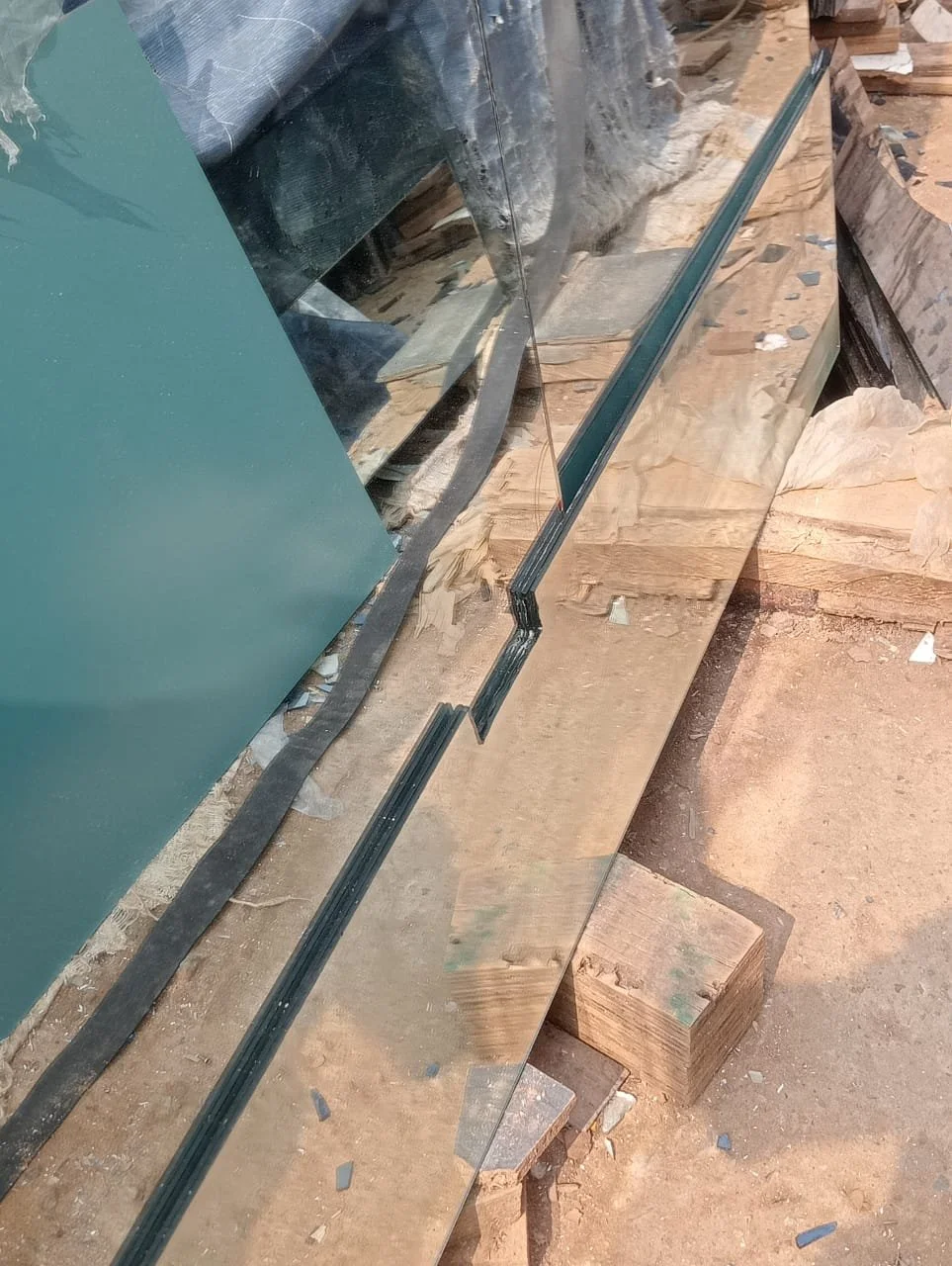
And then there is my mirror.
So where does that leave me? With a mirror that still isn't right. I could continue sending it back and forth, insisting that someone magically produce the perfect result from an imperfect process. Or I can look at what I have, understand the technical limitations and find a creative solution.
In exchange with the client, the current solution is a custom fabric border that conceals the uneven edges and turns the problem into a deliberate design detail. In other words: making lemonade out of lemons. And honestly, this is part of what being a designer often means. You troubleshoot, adapt and redesign. Along the way, you find the thing nobody initially thought of and make the mistake look intentional.
But there is an important distinction: a clever workaround should never become an excuse for lowering the standard.
I still want the strawberry mocktail.
There is a danger in becoming too comfortable with making lemonade. If every time something goes wrong we say, “This is how things are here,” we eventually normalise mediocrity. That isn't fair to the artisans. And it certainly isn't fair to the client.
If I order a strawberry mocktail, I don't want to become so good at troubleshooting that I convince myself a basic lemonade is the same thing. Depending on the client, time and budget, sometimes we need to make the lemonade indeed. Sometimes the workaround becomes the most interesting part of the design. But ultimately, we should still be building towards the strawberry mocktail. That is what Katharina Sasse's photographs reminded me of.
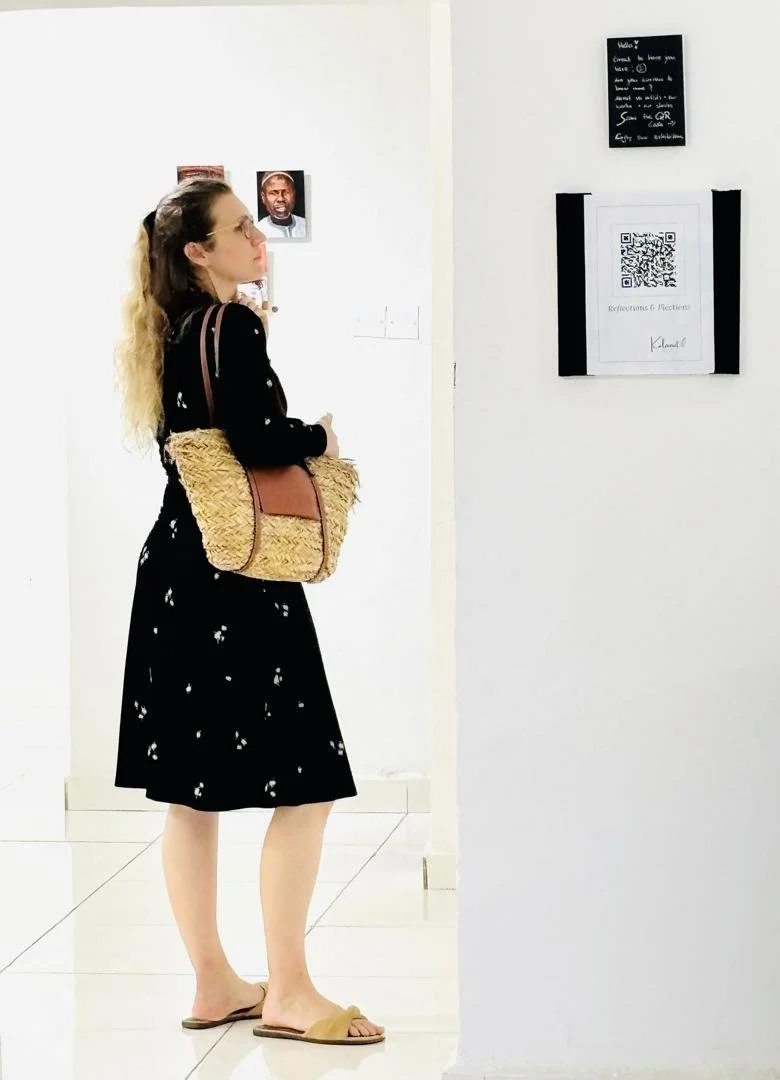
Photo by: Ifesinachi Nwanyanwu
They weren't a commentary on the artisans as protagonists. They simply made me look beyond the finished object and consider the environment behind it. Having worked with artisans now since 8 years in Nigeria in various roles, watching the photography humbled me and reminded me that instead of simply asking “Why isn't this better?”, I need to consider what would need to change for “better” to become the normal outcome?
For us as a studio, that means thinking about how we can help build capacity, improve processes and find better ways of achieving excellent, locally produced work. It is a journey of thousands of small improvements, better systems, creative problem-solving, higher expectations and the stubborn belief that eventually, the strawberry mocktail should actually taste like strawberry. And the mirror should be cut the way it was specified.
Thanks for the reminder, Katharina. If you have not watched it, go check out the exhibition at Kolanut Gallery at Breakkolanut, Ajayi Cowther Street, Asokoro, Abuja FCT.