
Scale: the most underestimated design principle
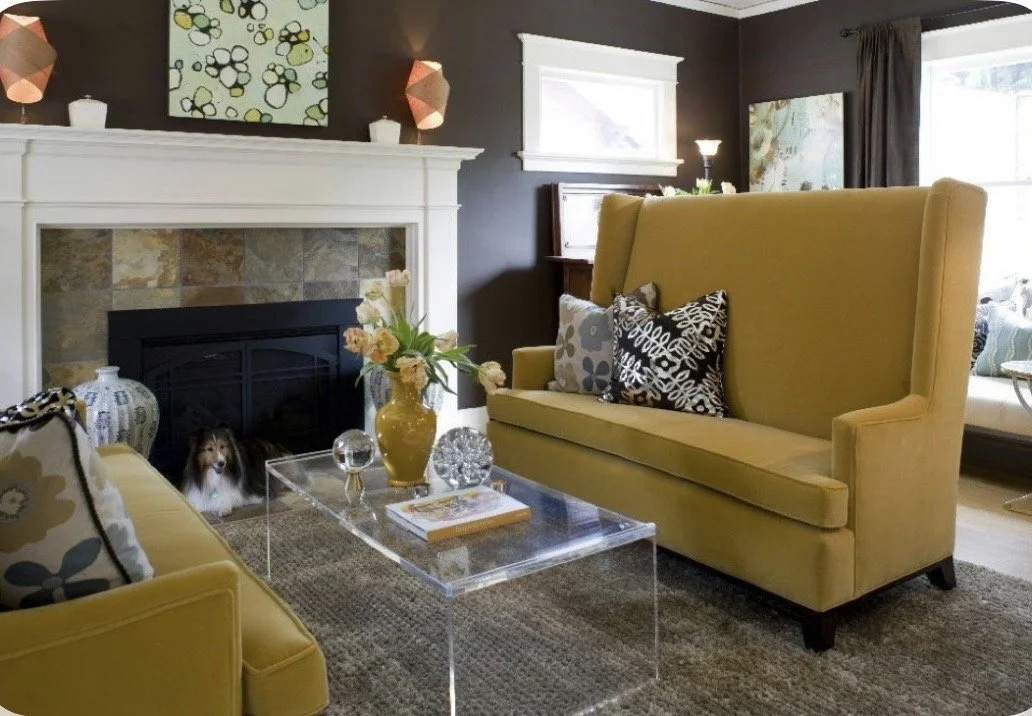
Many things are wrong in this room, scale being one of them: Sofa vs. firespace vs. ceiling height.
Scale is one of the quietest forces and principles in interior design. It determines whether a room feels balanced, intentional and effortless, or whether something feels slightly “off” without people being able to explain why.
A room can have beautiful materials and expensive pieces, yet still feel underwhelming when the proportions are not right.
Listening to the architecture
Large spaces require a different design approach than small rooms. This became especially clear in our Guzape Hills project, where the scale of the architecture naturally demands a stronger response. The kitchen, measuring approximately 70sqm alone, needs elements that could hold their presence within the space. A standard island would have disappeared visually, creating an imbalance between the architecture and the furniture. Our solution is a double island concept, with each island designed at approximately 320cm in width.
In a kitchen that is even 1m smaller in width, this would come off too crowded, but in our case, especially considering the ceiling height of 4m, the islands must be substantial with enough visual weight to feel grounded.
This shows you that scale does not have much to do with size alone, but proportion.
The same applies to art
One of the most common mistakes we see is choosing artwork that is simply too small for the wall it occupies. It may be hung at the right height (even though this often seems to be a problem too), but if the art does not communicate with the architecture around it, a large wall may still feel naked despite a decently sized art piece. A small artwork on a generous wall can feel like it is floating without purpose. Sometimes one oversized piece creates more calm and impact than several smaller pieces competing for attention.
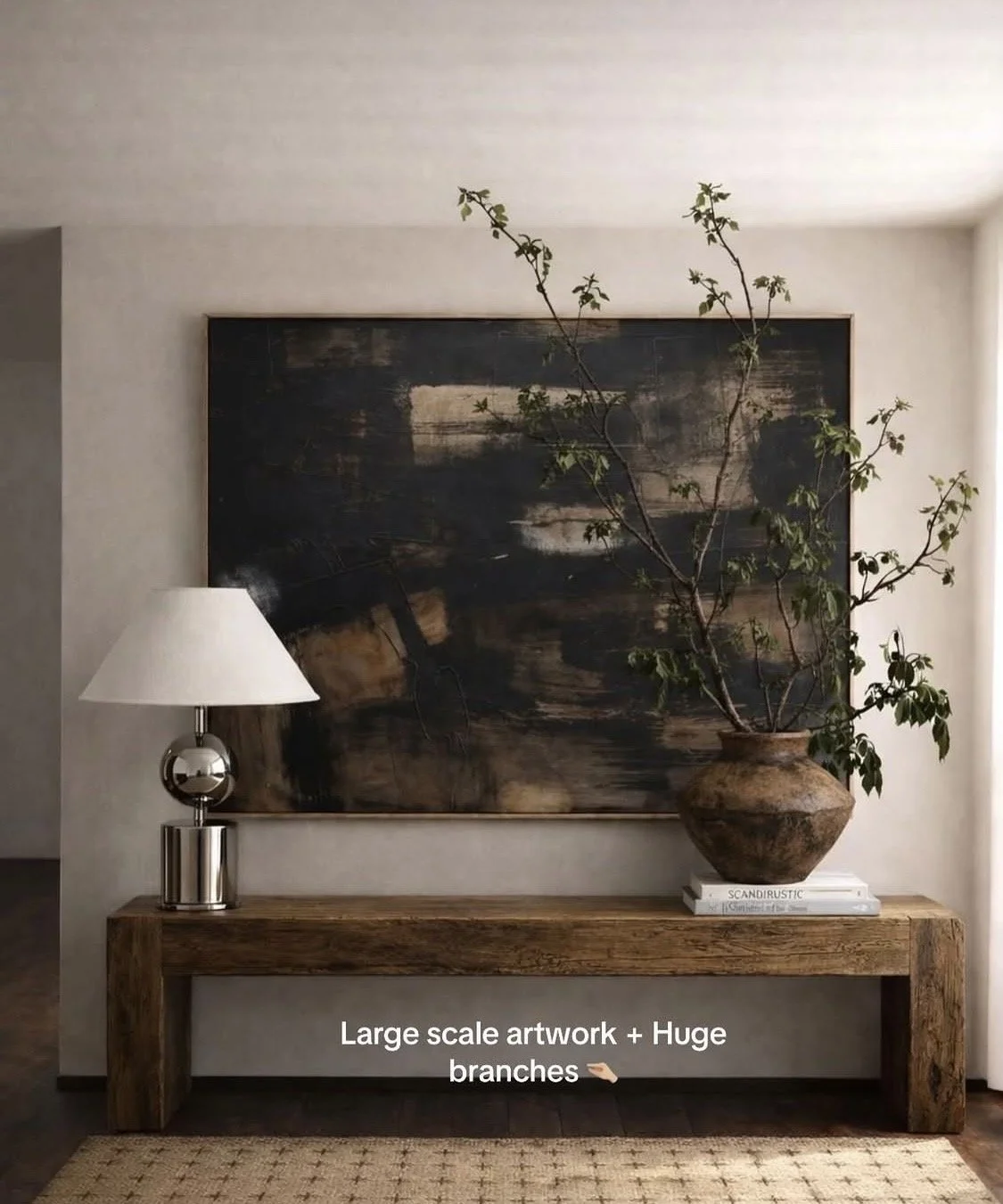
How perfect scale looks like for us.
Built-ins should follow the architecture
Scale is also about respecting existing lines. Custom solutions work best when they respond to the architecture: the height of windows, the width of doors, the ceiling proportions and the sightlines. A built-in unit should feel like it belongs there, has always been there - and not like furniture was simply placed against a wall. When done perfectly, the most successful joinery often disappears into the architecture because the proportions were considered from the beginning.
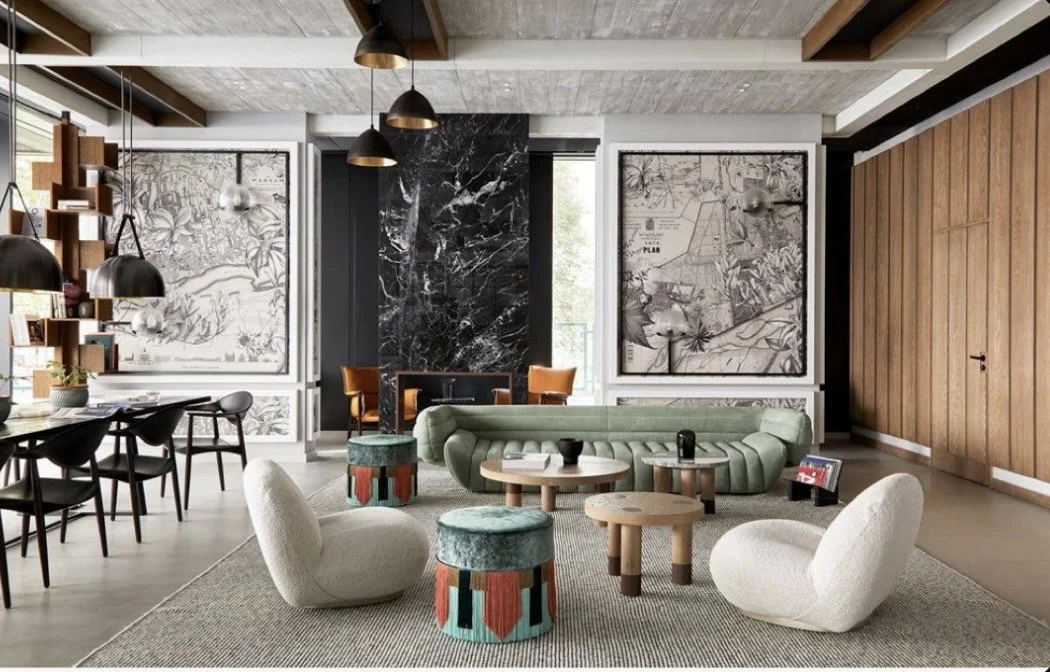
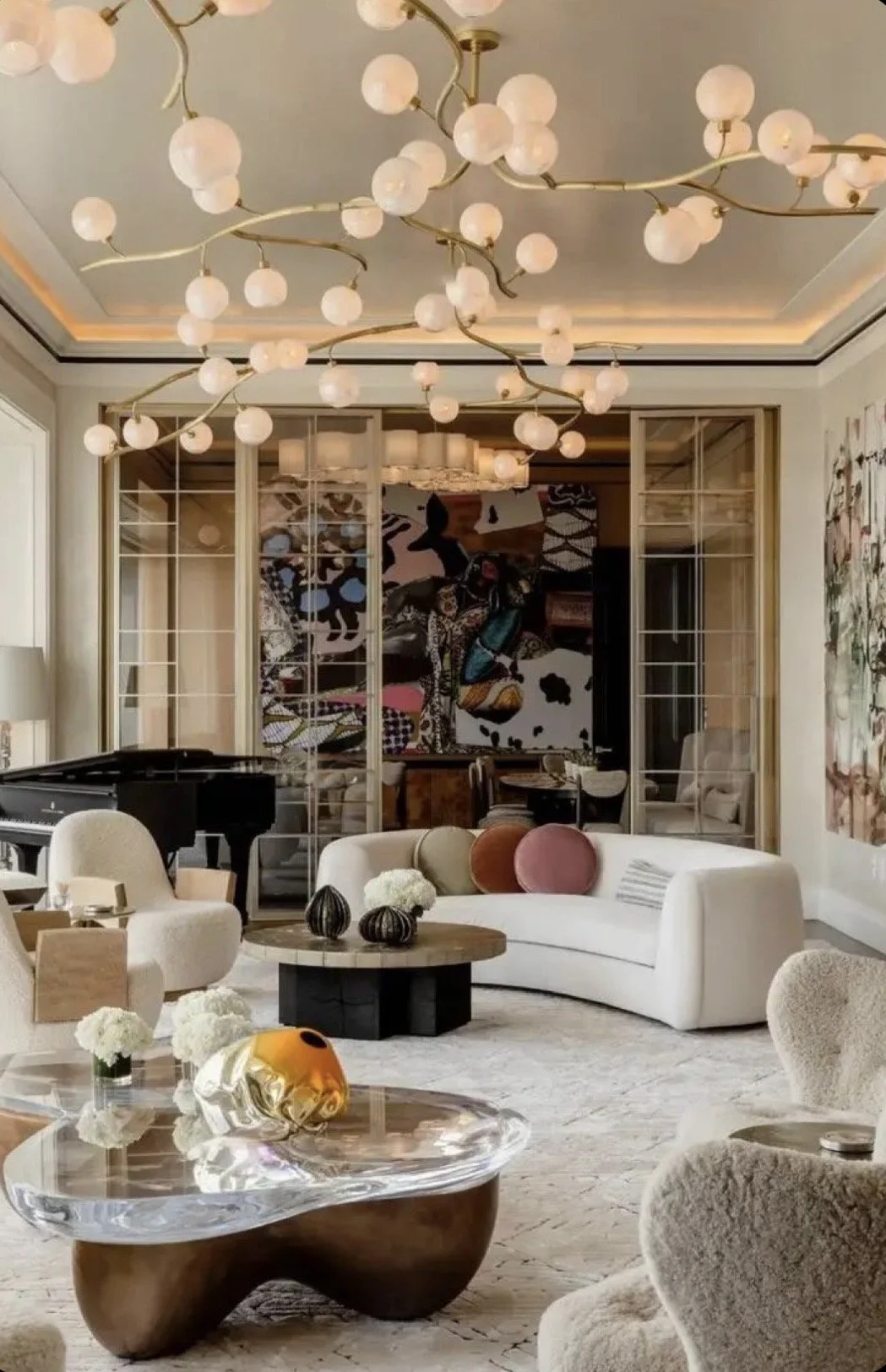
Lighting: what to do when going bigger is not possible?
Lighting is another area where scale changes everything. A small pendant in a double-height space can feel completely lost. With ceiling heights ranging from 370 - 420cm and double void spaces reaching approximately 780cm, like it is the case in our ongoing project, fixtures need enough presence to connect with the volume of the room.
But a large statement piece is not always possible. A simple design trick: group several smaller lights together. A cluster of pendants can create the impact of one sculptural installation while adding rhythm and personality.
Scale creates confidence
To me, successful interiors could be low budget and small in size. once the composition and proportion is done right - once the scale is mastered, the tension between well curated and installed inexpensive elements will make a stunning space, especially when it connects with the end user on a personal level. In these spaces, every element feels like it belongs. You would notice, that the IKEA sofa is the right size. The DIY artwork fills the wall. The inexpensive lighting understands the ceiling. And the joinery follows the architecture. None of the items were an investment on their own but still good design was achieved. The simple reason: the designer understood how much space each choice deserves and how it speaks to one another. With the right scale.
Contact us if you feel like your space need a little edit - and special attention to scale.
