
Rearranged Lives: designing for growing families
A home rarely changes all at once. Changes don’t come sudden, but are constant as the home quietly evolves around the people living in it. A new baby completes the family or a toddler becomes a teenager. Your work dynamics change and working from home becomes the norm. Routines start to shift and suddenly the rooms that once felt perfectly suited begin asking for a different kind of attention. The walls may remain the same, but life inside them has moved forward.
This is what makes designing for growing families such a meaningful part of interior design. We always aim to create beautiful rooms for a specific moment in time, yet we understand that a home is a living environment, one that needs to adapt as the people within it grow, change and demand new or a different kind of support.
A nursery, for example, does not have to exist only for the first years of a child’s life. With thoughtful planning, it can gradually transform into a reading space, a creative corner or a room that supports learning and independence. The same applies to playrooms, which can evolve from spaces of imagination and movement into places for study, hobbies and quiet reflection.
Our intention is to design a home that has enough flexibility to grow gracefully, adopt new functions instead of constantly demanding for replacements.
Designing for real family life
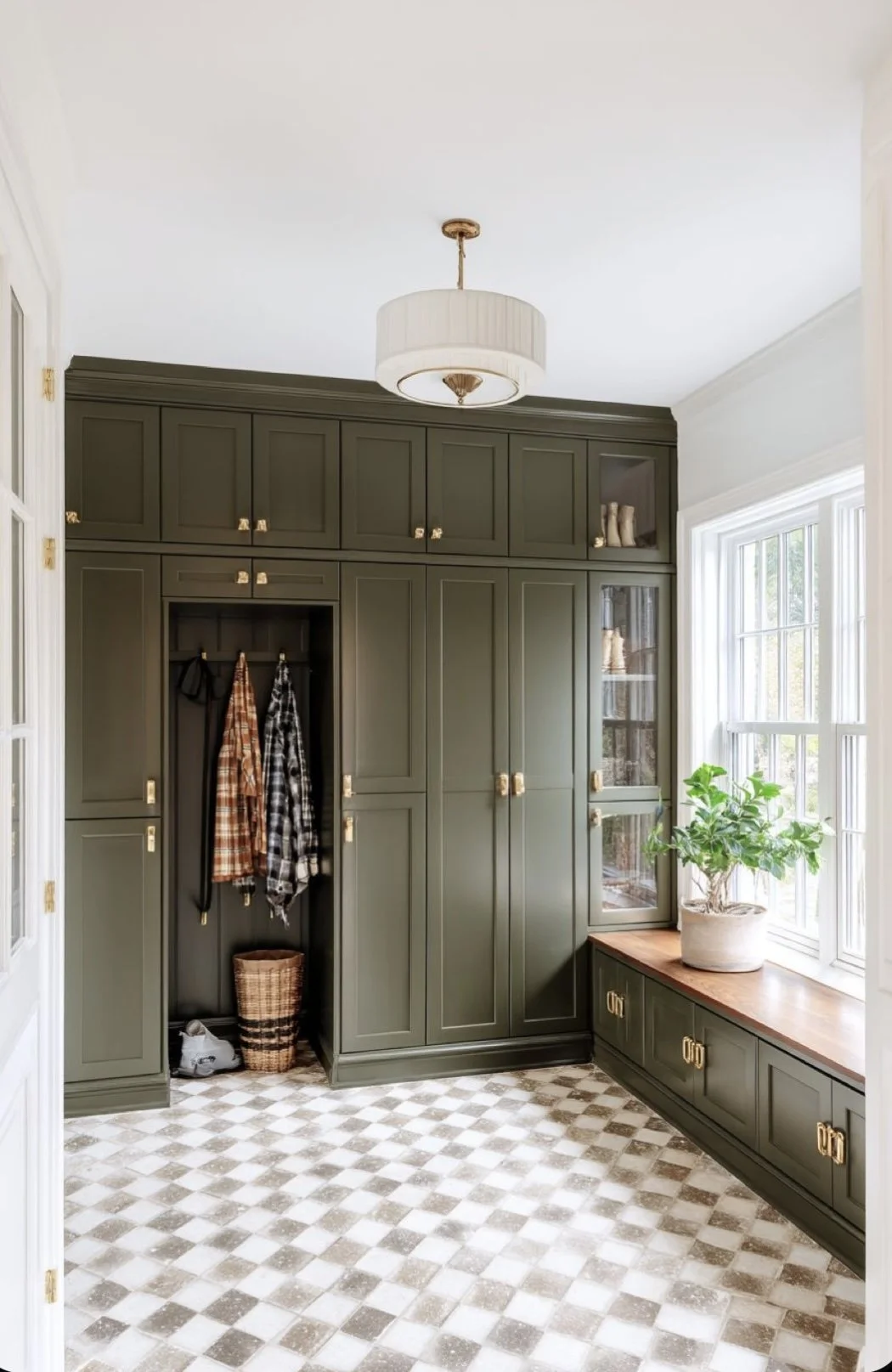
There is sometimes an idea that a beautifully designed home needs to remain untouched, perfectly styled and almost separate from everyday life. Like a formal living room that looks great as first impression but is hardly ever in use. Or a formal entry which was splurged on, but in reality everyone enters through the back garage and mudroom because you feel the formal part of your house is too precious “to be used”. Why not embracing the greatest features of your home and make them liveable for everyday demands while still creating an impression with your guests?
Families are not static and we all leave traces behind. There are school bags arriving after a long day, books that are read repeatedly, toys that slowly disappear and objects that become connected to specific memories.
When we design homes, we don’t try to eliminate these realities. Instead, we plan to make space for them.
This is where the details matter. Durable materials, considered storage solutions, adaptable furniture and layouts that respond to daily routines allow a home to remain refined without becoming impractical. Luxury is not a room that only looks beautiful in photographs. Real luxury means having a home that supports the people living inside it, in all their shades and seasons.
Designing for everyone under one roof
Growing families also require a balance between togetherness and individuality. A home needs spaces where everyone gathers, but it also needs moments of separation: a quiet corner for a child to read and study, a place for creativity, an area where a parent can work or simply pause.
Good design does not force every person into the same rhythm. Instead, it creates harmony between the different needs. Through careful zoning, lighting, materials and furniture placement, spaces can serve multiple purposes while still feeling intentional and cohesive.
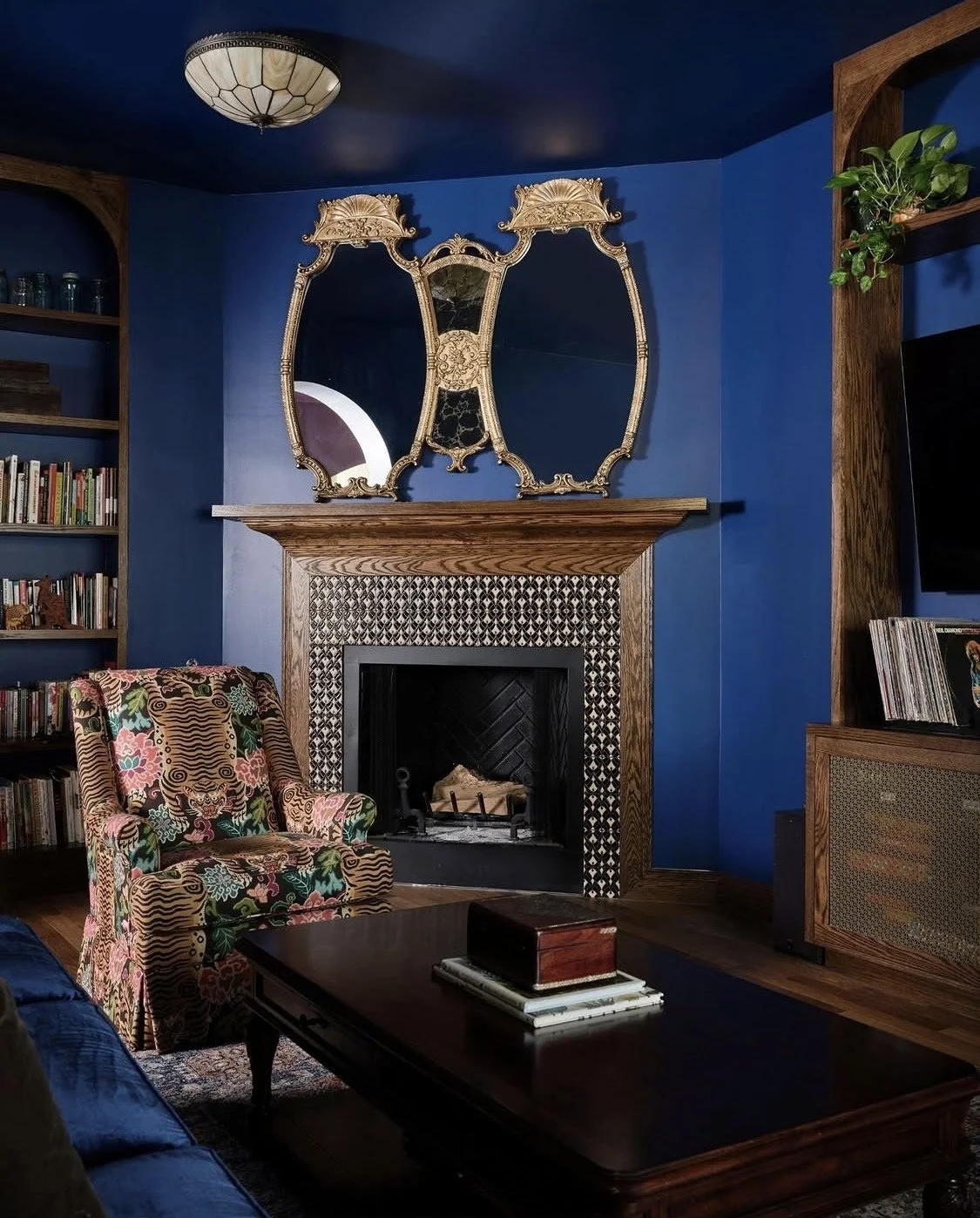
Photo: Home and Garden UK
Life keeps moving - and so does your family home
When we think about the homes we remember most, it is rarely only because of the gorgeous furniture or finishes. It is because of what happened there.
We remember the conversations around the dining table. The evenings spent together. How rooms changed alongside the people who lived and grew in them, without investing everything afresh. And we can recall the artwork created by small hands, like cards or paintings in kindergarten age. The textures that speak to us. These are the invisible layers that make a house feel like home.
At AD Design, We approach family homes through a human-centred lens: Layering materials, textures, colours and details to create spaces that feel elevated while still responding to the everyday. We believe interiors should not only reflect the lives people have built, but also support the lives they are still creating. Rooms should be adaptable to change and allow layers to be added and changed as time goes by. Solutions, therefore, should be made with care, with longevity and actual preferences of the people living in it in mind.
We know a family home is never finished. It simply continues to tell the story of the people within it. Life keeps moving. And the interiors should give room to this.
If your home needs to evolve with the next chapter of your family’s story, we would love to help you create a space that honours the way you actually live.
