
Can you learn to have taste?
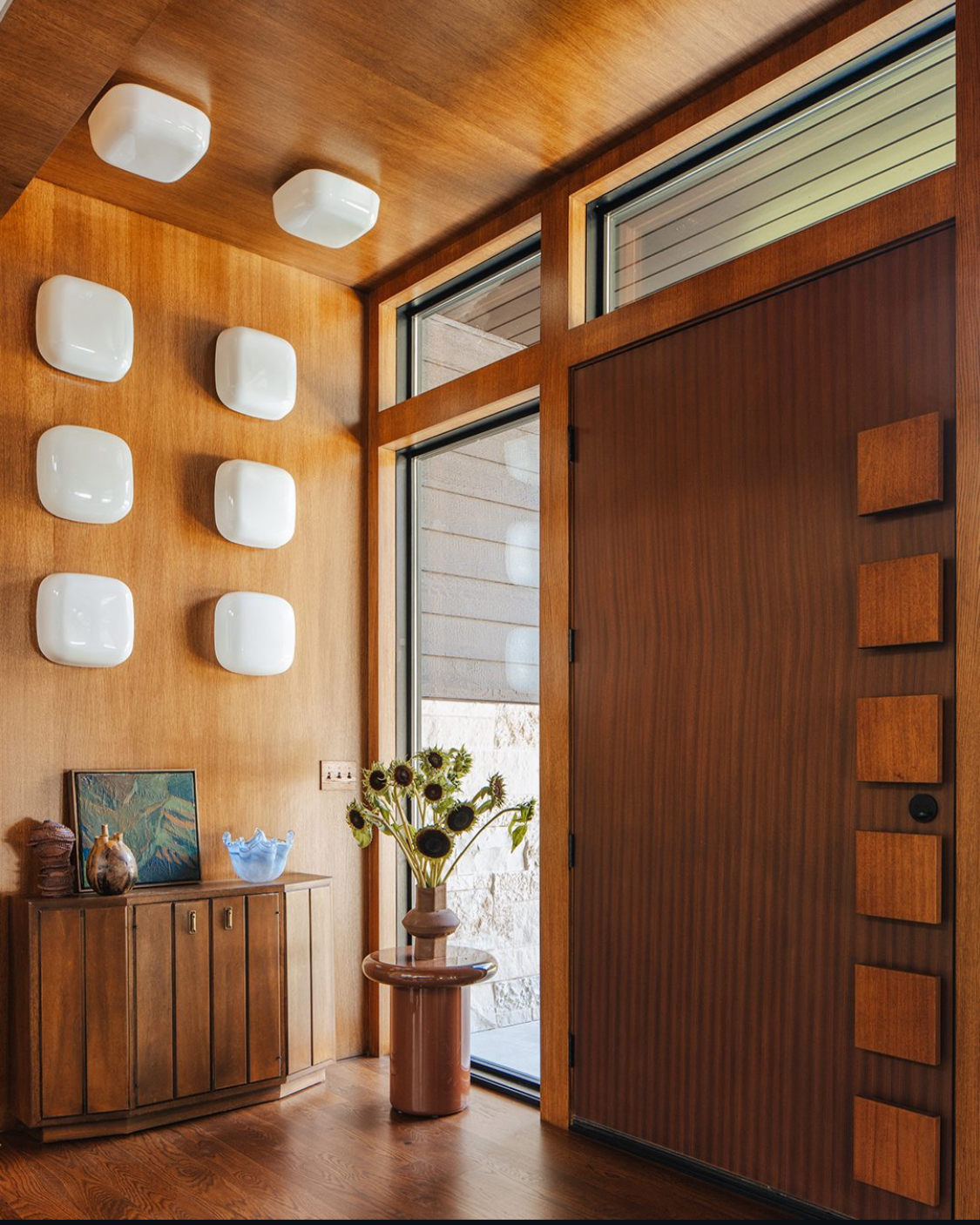
Photo: Elle Decoration UK
Taste is often described as something you either have or you don’t, like a natural instinct or a personal preference that you can’t argue or almost impossible to explain. But after years of working with spaces, materials, people and projects, I believe taste is much more complex than that.
I believe that taste can be refined and developed. And it can be trained. Not in the sense that someone can hand you a formula for what is beautiful, but in the sense that your ability to recognise balance, intention and quality grows through exposure and curiosity. The reason is taste is rarely created in isolation.
The making of a „design eye“
Every designer has teachers, even if they never sat in a classroom with them. For me, some of the greatest teachers have been curiosity, observation and experience.
Travel has been one of them.
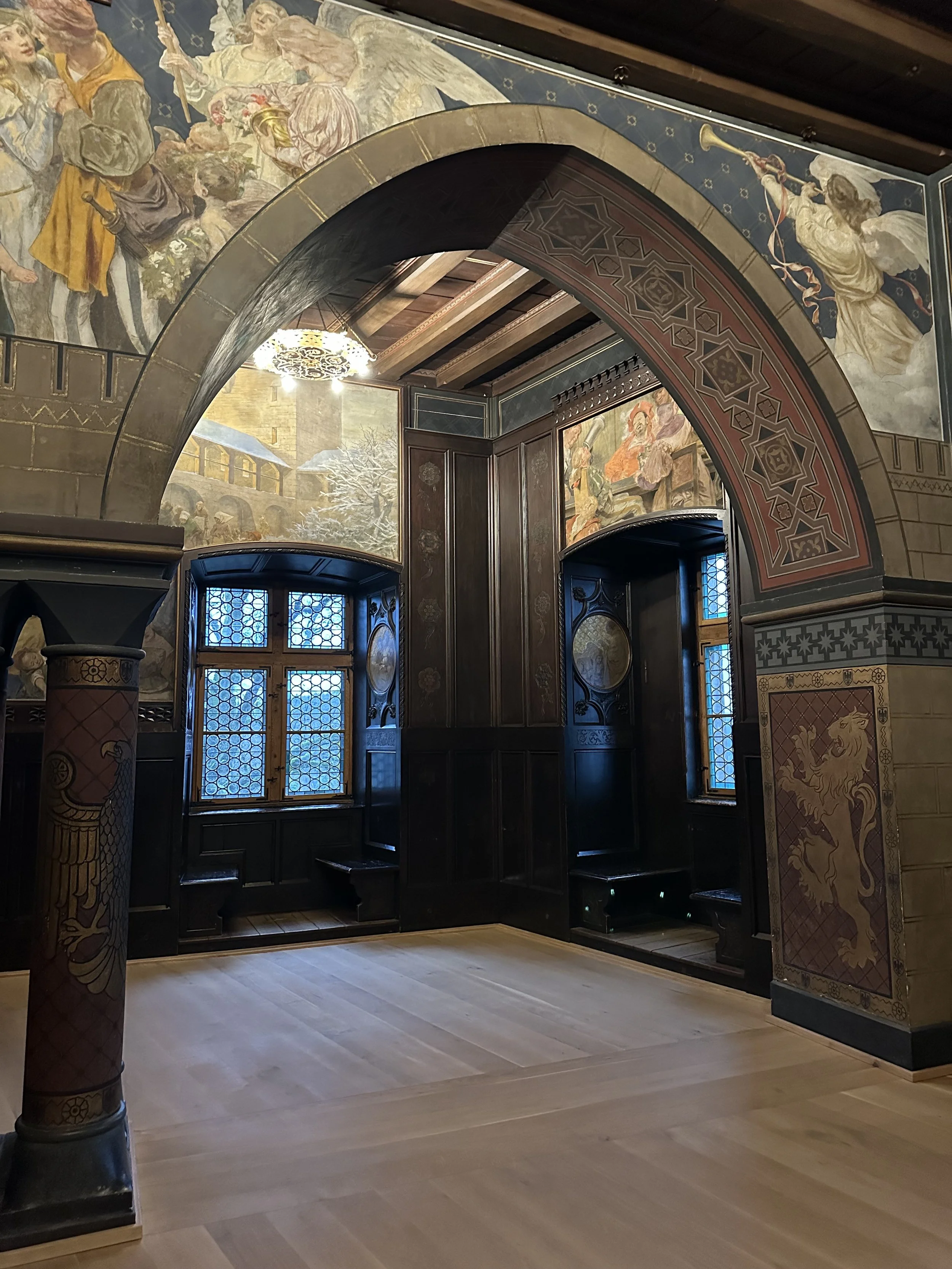
Photo: Schloss Burg, Germany
Entering different cities, homes, hotels, museums and cultural spaces teaches you something that no moodboard can fully capture. You begin to notice how different cultures approach colour, materials, proportions and craftsmanship. You see how a space can feel calm without being minimal. Or how richness can exist without excess and simplicity can still feel layered. You start collecting references, not to copy them, but to understand why they work.
Design books and courses add another layer. They provide history, context and language, especially as you start your career. They help you understand why certain movements shaped the way we live today and why certain principles remain timeless.
But education alone is not enough. A design eye is built by constantly paying attention.
Learning to see
One of the most important skills in design is learning how to observe. I am not talking about watching the details and looking around you. What I mean with this is seeing in the real sense of the word. Walking into a restaurant and noticing why you immediately feel comfortable. Entering a hotel lobby and understanding why the proportions feel right. Visiting a home and sensing that something feels unsettled, even before you can identify the exact reason.
Is it the lighting? The scale or the material combination? It is the way people move through the space? These observations slowly build an internal library. Over time, you begin to understand what resonates with you and, equally important, what does not. Developing a taste is shaped by thousands of small moments of noticing.
The designer’s role: leading with intention
When clients invite us into their homes, they are not only asking for beautiful furniture or finishes. They are trusting us to guide decisions. This is where our role as designers becomes important.
A project cannot be built around endless options because that often creates confusion rather than creativity. Our responsibility is to filter, interpret and create direction. We consider the architecture, the lifestyle, the environment, the practical needs and the emotional feeling the space should create.
A client may know what they like, but our role is to understand the deeper reasons behind those preferences and translate them into a cohesive design language. Because a home should not be a collection of individual beautiful things. Rather, it should feel like one complete story.
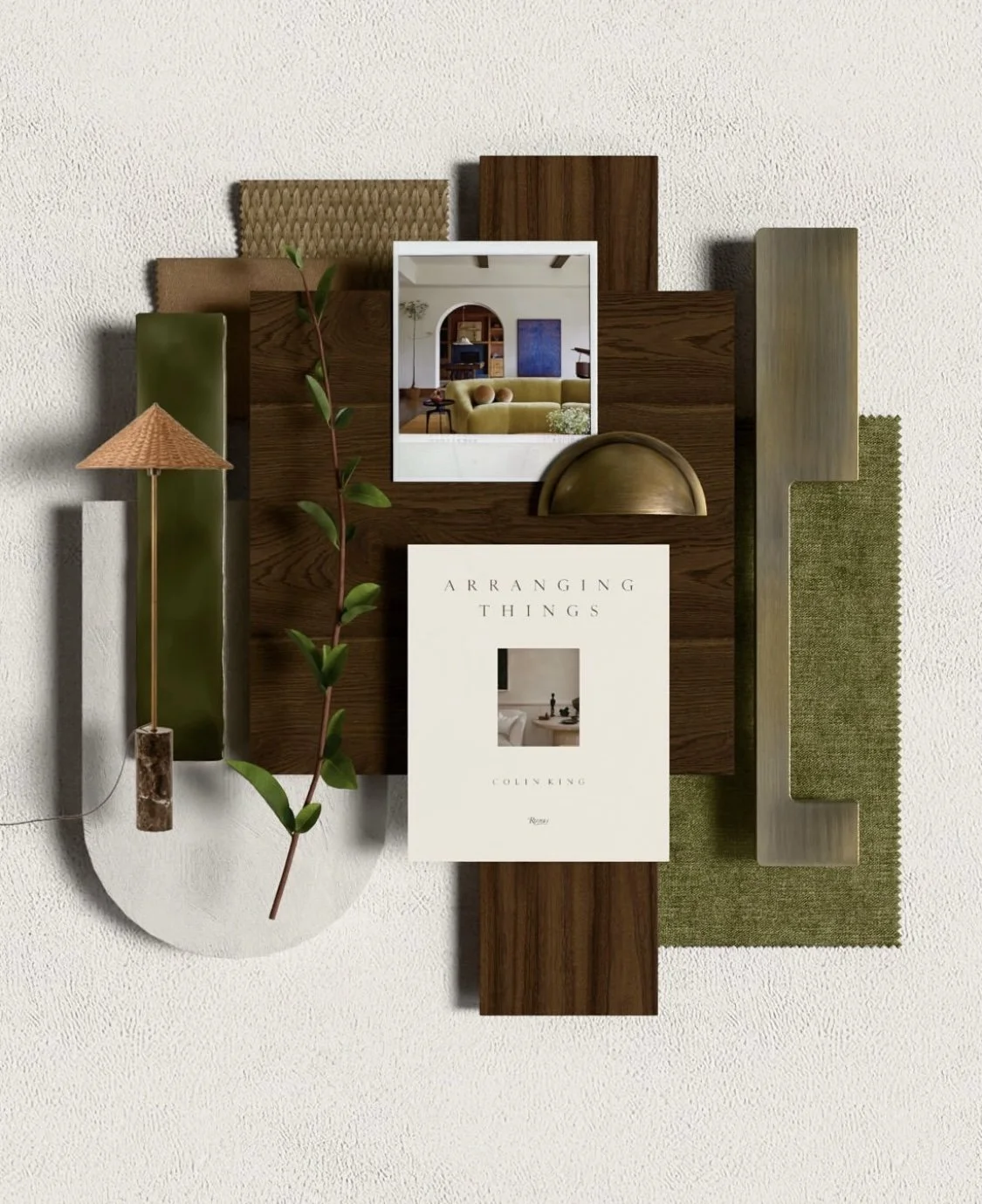
Taste is personal but it is also built
We do not follow a simple checklist when designing a space, but use a combination of knowledge, intuition and experience when we access a new project. We try to understand the history and tradition of either the building or its inhabitants while remaining open to new ideas, infusing global references while respecting local identity, while appreciating craftsmanship, materials and the human stories behind objects.
Taste doesn’t mean luxury and having the most expensive things. It is about knowing yourself and why something belongs. And that is the real work of a designer: not simply creating spaces that look beautiful, but creating spaces that feel right for you.
