
Why You Pay for Project Management
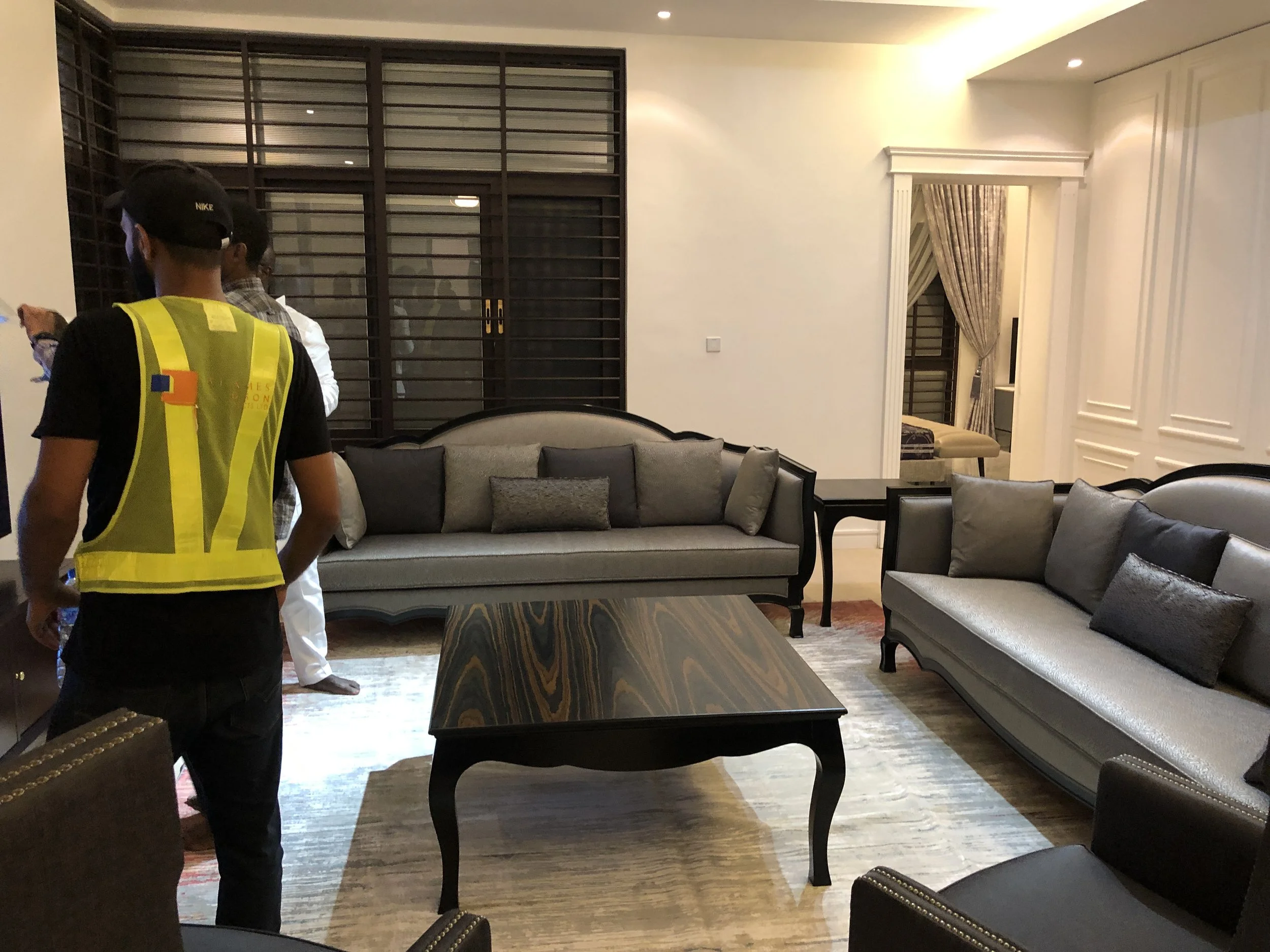
Guess what doesn’t make it into the beautiful photographs or get felt during the reveal?
The part where the wrong fabric arrives. The part where a shipment is delayed, the truck breaks down or is impounded (happened just last week), an artisan is running late (or not coming at all), and somehow three things that were supposed to happen on Tuesday now need to happen on Thursday. And then there is the phone call: “Anne, what do we do?”
This is why you pay for project management. In moments like these, the project is not out of control, but project management is what keeps all the moving parts under control so that you don’t have to.
The beautiful part is only half the job
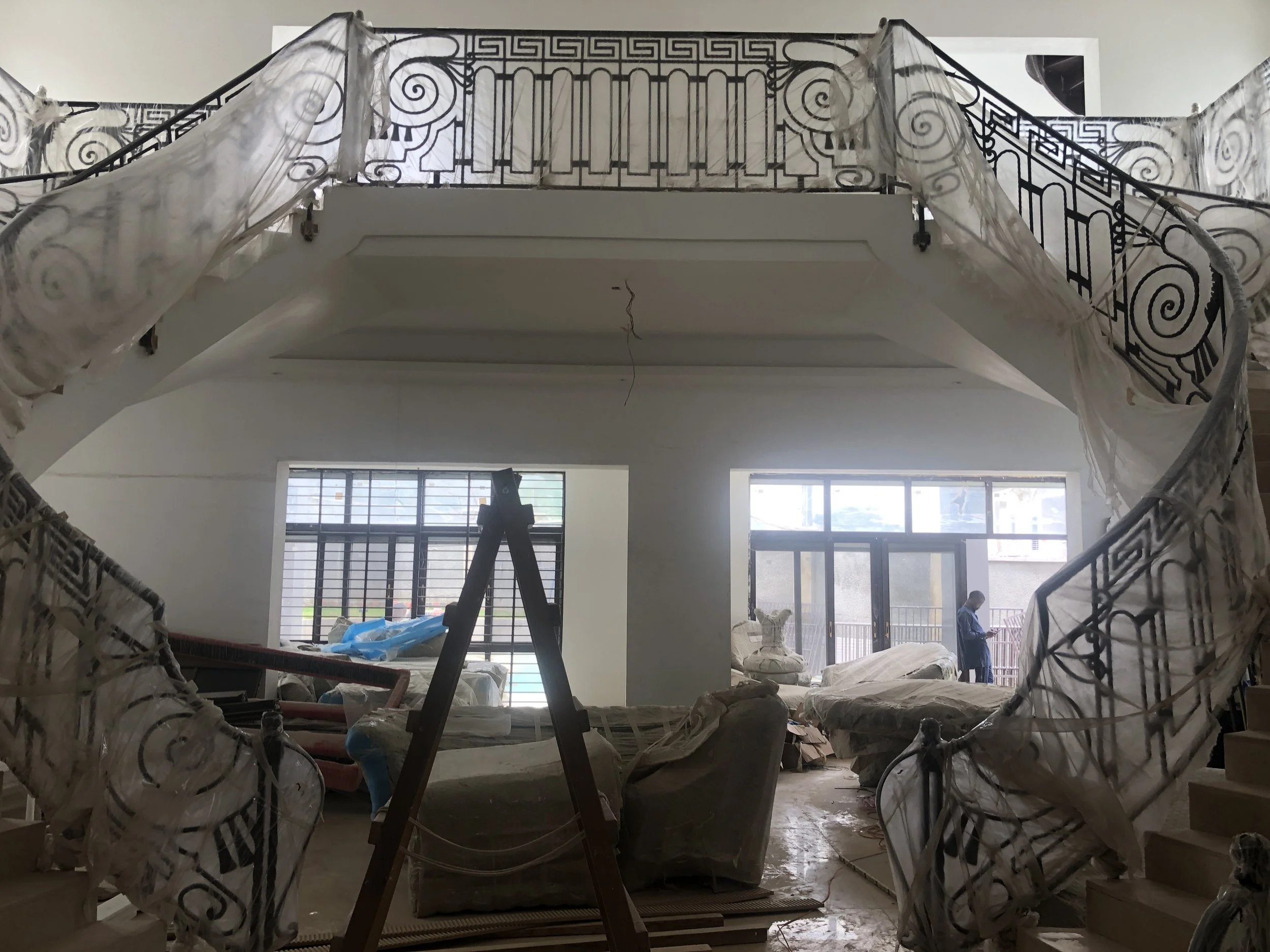
When we present a design, we are usually talking about the beautiful things: the fabric, the furniture, the lighting, the artwork, the finishes.
Thereafter, we always discuss sequencing and present an estimated project timeline. Once you approve the design, budget and timeline, somebody has to make every single one of those decisions happen.
Real projects are rarely linear.
A fabric can arrive and not be the colour you approved because you ordered it online. A piece can be damaged in transit (last week). Something can be made incorrectly and need to be remade. A supplier can tell you six weeks and suddenly need ten. A delivery can arrive when the site isn’t ready to receive it. An artisan’s schedule can change because another job has taken longer than expected. And sometimes you have to re-sequence the entire week because one thing didn’t happen when it was supposed to.
We have had projects where the sequence of works has had to be rearranged several times in a row. Not because nobody was managing it, but because this is what managing a real project looks like. You don’t eliminate every problem, but you anticipate them, solve them quickly and keep the project moving.
Design fees and project management fees are not the same thing
This is an important distinction because the two are often treated as though they are one service.
Your design fee pays for the thinking: the concept, space planning, drawings, material selections, furniture and lighting specifications, sourcing and the design development. It is the creative decisions that turn a space into your space.
Project management is the execution. It is the additional service of taking that design and managing its delivery on your behalf. That means coordinating suppliers and artisans, overseeing procurement and deliveries, monitoring production and installation, managing sequencing, resolving issues, checking quality and keeping all the different parts of the project moving together.
They are two different responsibilities, and therefore two different fees. And for the right projects, we strongly recommend doing both.
The wrong product is more expensive than you think
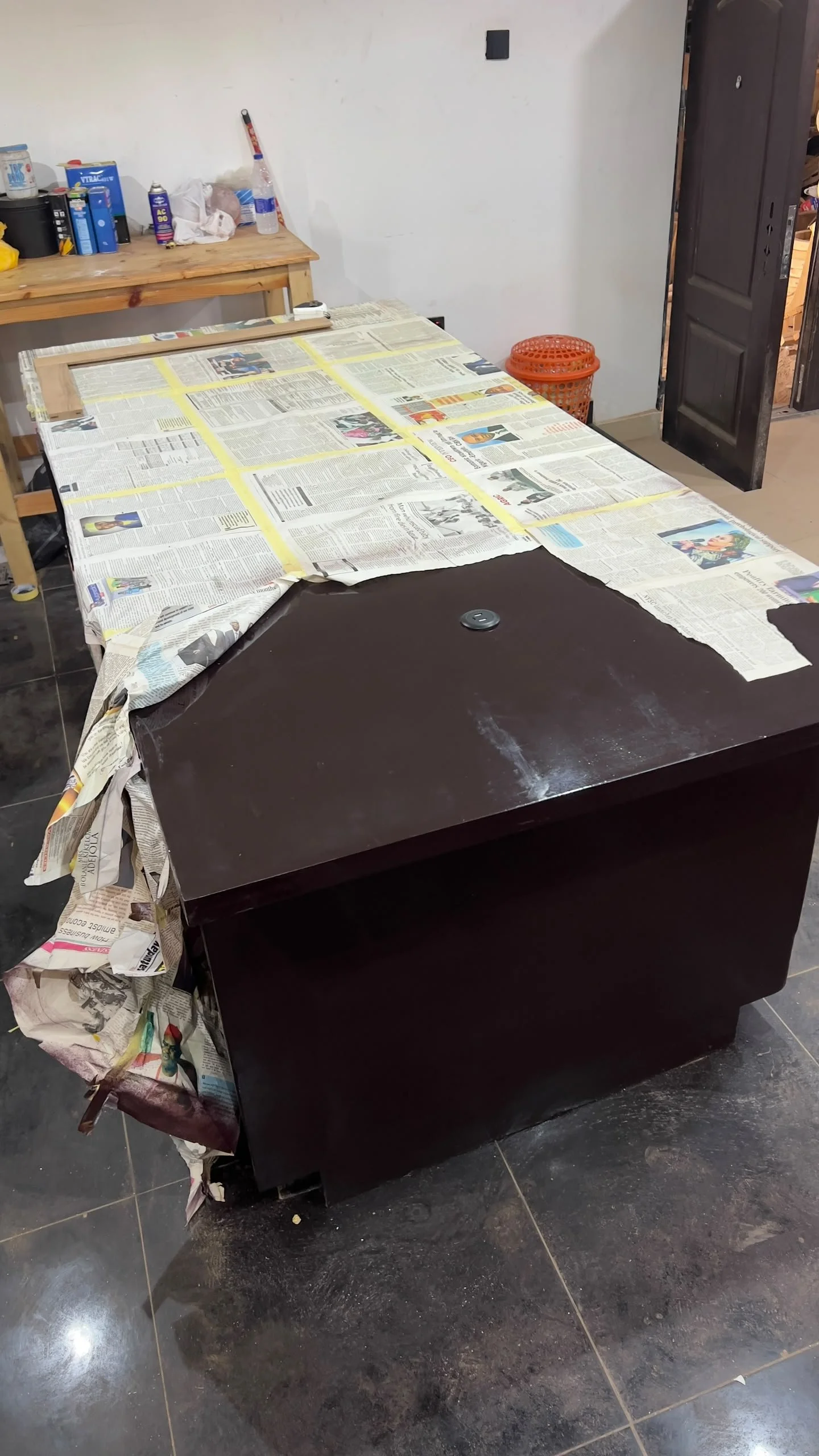
One of the less glamorous parts of the job is rejecting things. Sometimes something arrives and I know immediately that it isn’t right. The finish isn’t what we approved, the proportions aren’t right, the colour is off or the quality simply doesn’t meet the standard we want to stand for.
And as much as this sometimes isn’t understood by the other party, artisan or supplier mostly, who believes “you could manage”, we don’t fall for the temptation to say: “It is close enough. Let’s just use it.”
We don’t and we won’t. Because the cost of accepting the wrong thing isn’t just the cost of the product. It can mean installation time wasted, transport costs, labour costs, delays to the next trade and ultimately compromising the design we spent so much time developing. So we reorder, return, negotiate or find another solution. And when engaged and paid for project management services, the client doesn’t necessarily see any of that.
Then there is transport
People often think delivery means a truck arrives at the house or site. In reality, especially on projects where pieces are coming from different suppliers, there can be an entire logistical puzzle behind that delivery. What is ready? Where is it? Who is collecting it? Does it need special handling? Can it fit through the entrance? Is the site ready? Who is receiving it? Where does it need to go once it arrives? And if one delivery moves, what does that do to everything else? Project management is connecting all those dots.
It is knowing that the lighting installation cannot happen until the ceiling work is finished. That the curtains shouldn’t be installed before the painting is complete. That the furniture needs to arrive after certain messy works are finished. That the final styling cannot happen until the last round of dust has been cleaned. Sequencing matters so much. And good sequencing makes a project feel effortless.
What you are really paying for
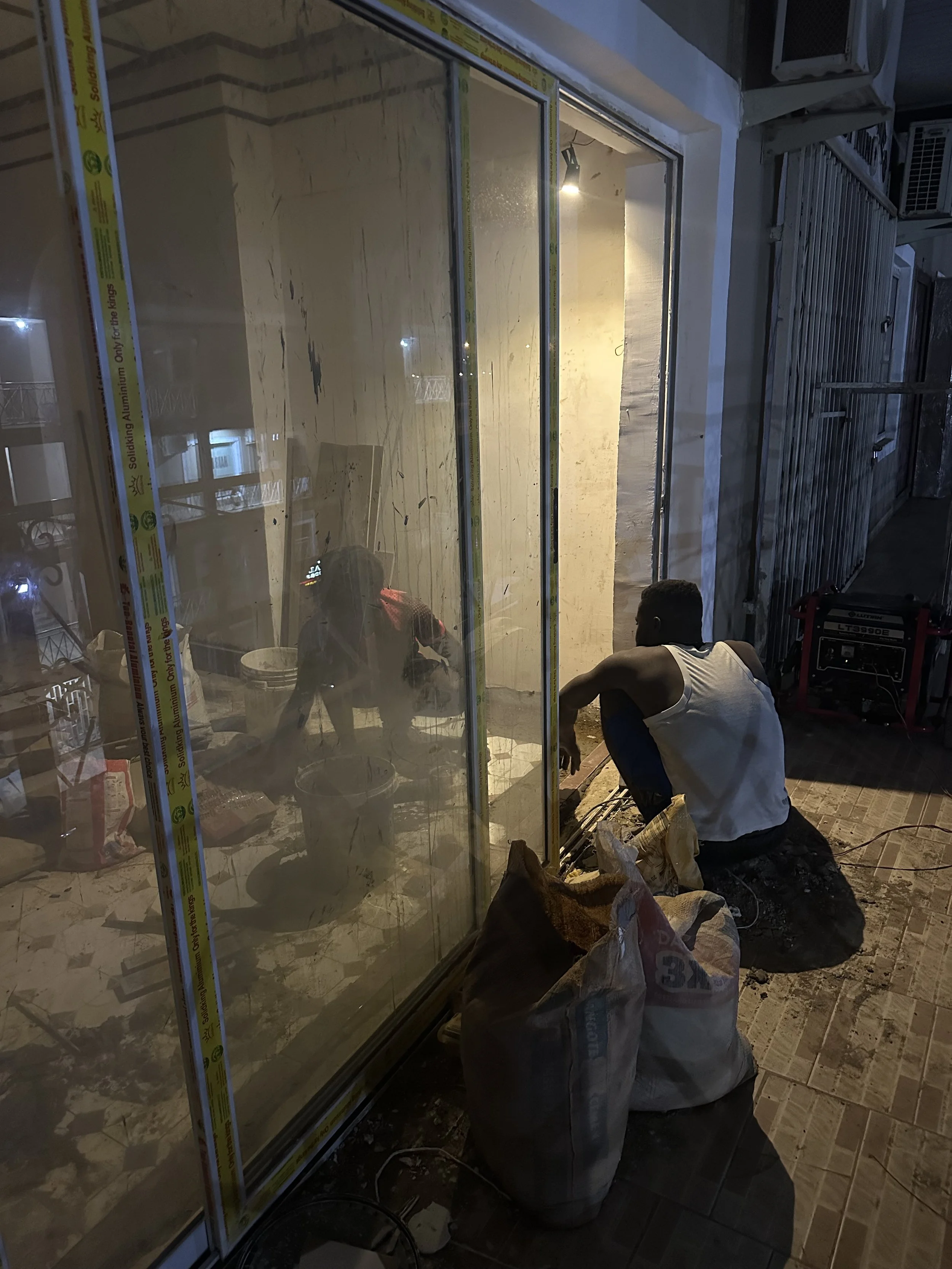
You are paying for coordination, judgement, accountability and peace of mind. You are paying for someone to notice that the wrong item arrived before it becomes your problem, for someone to call the supplier and/or arrange the return, for finding the replacement, reorganising the delivery and moving the artisan’s schedule.
We are checking the work and make the decision when something unexpected happens. And then to come back to you with: “It’s handled.” That sentence is probably one of the most valuable things a designer can give a client.
Most of our clients have enough going on. They have businesses to run, meetings to attend, families to look after, travel, work and a life outside their house. The last thing they need is another full-time job called “my renovation.” You shouldn’t be standing on site wondering whether the electrician can come before the carpenter. You shouldn’t be solving a transport problem while you’re trying to get your children ready for school. And you shouldn’t have to know that the curtain installer has moved his schedule for the fourth time.
You can manage all of that yourself. But the question is:why would you want to? For a busy professional, project management is ultimately about buying back your time and headspace.
When project management becomes part of the service
For a consultation or design-only engagement, project management may not be necessary. But when we are taking on a turnkey project, a custom home project, a substantial renovation or a commercial project, the level of coordination required is completely different. There are simply too many moving parts to leave execution to chance.
For these projects, project management is a separate, clearly defined service fee. It is what allows us to take responsibility for the journey from approved design through procurement, production, delivery, installation and final completion. And that distinction matters. We don’t want a client paying a design fee and assuming that somehow includes unlimited project management behind the scenes.Good design and good execution are related, but they are not the same job.
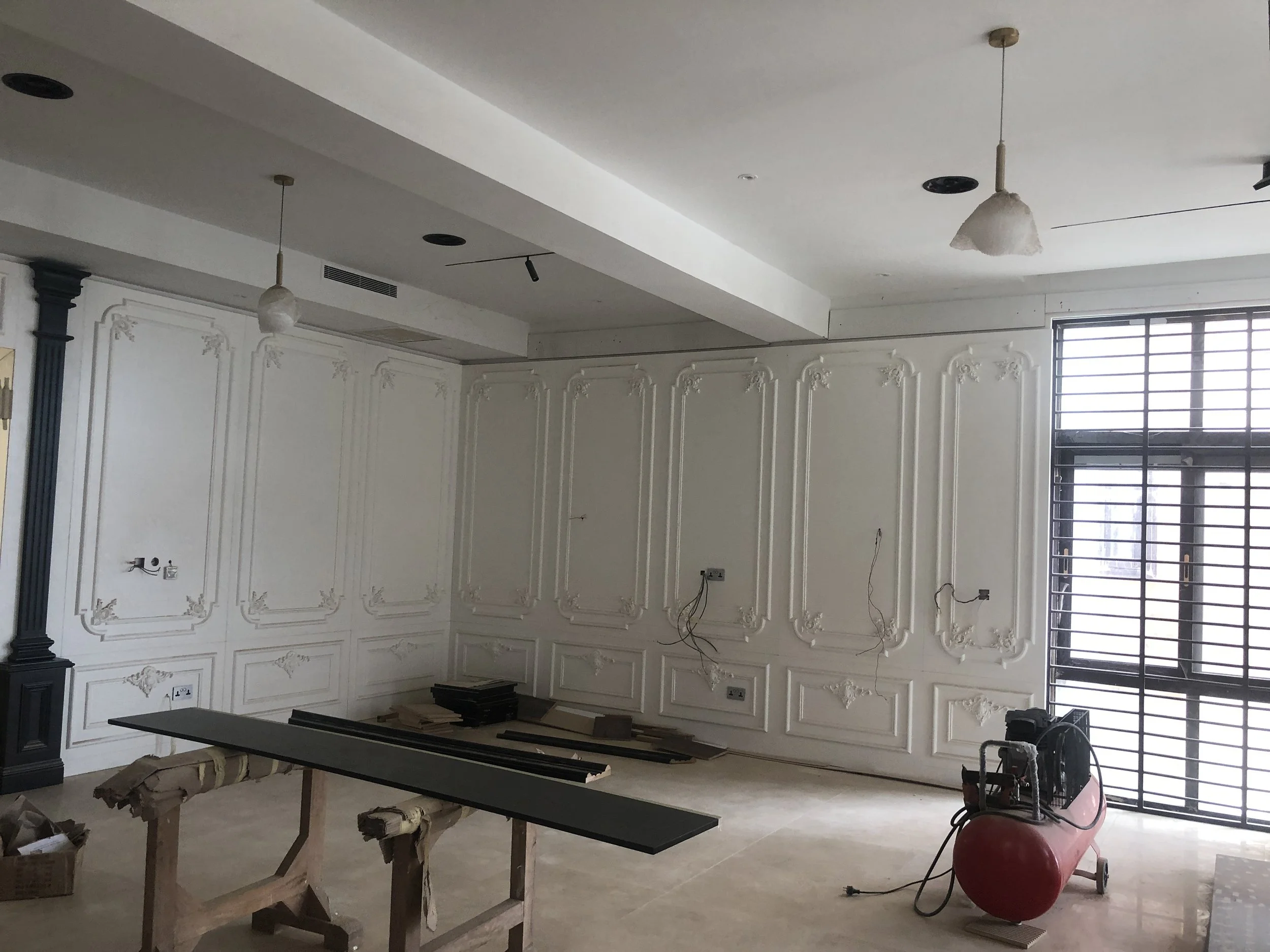
The luxury is not just the finished room
I think we sometimes misunderstand what luxury means in interior design. Leave aside the beautiful marble or the custom furniture. Luxury service also means not having to worry about what is happening behind the scenes. It is being able to come home at the end of the day and know that somebody competent is watching the details and protecting the design you approved, so you can actually enjoy the process.
When we finally hand over the finished space, we want you to remember the excitement of seeing it come together, not the 47 WhatsApp messages it took to get there. That is the peace of mind we mentioned earlier.
