
The IG accounts I keep coming back to: materials, craft & brands
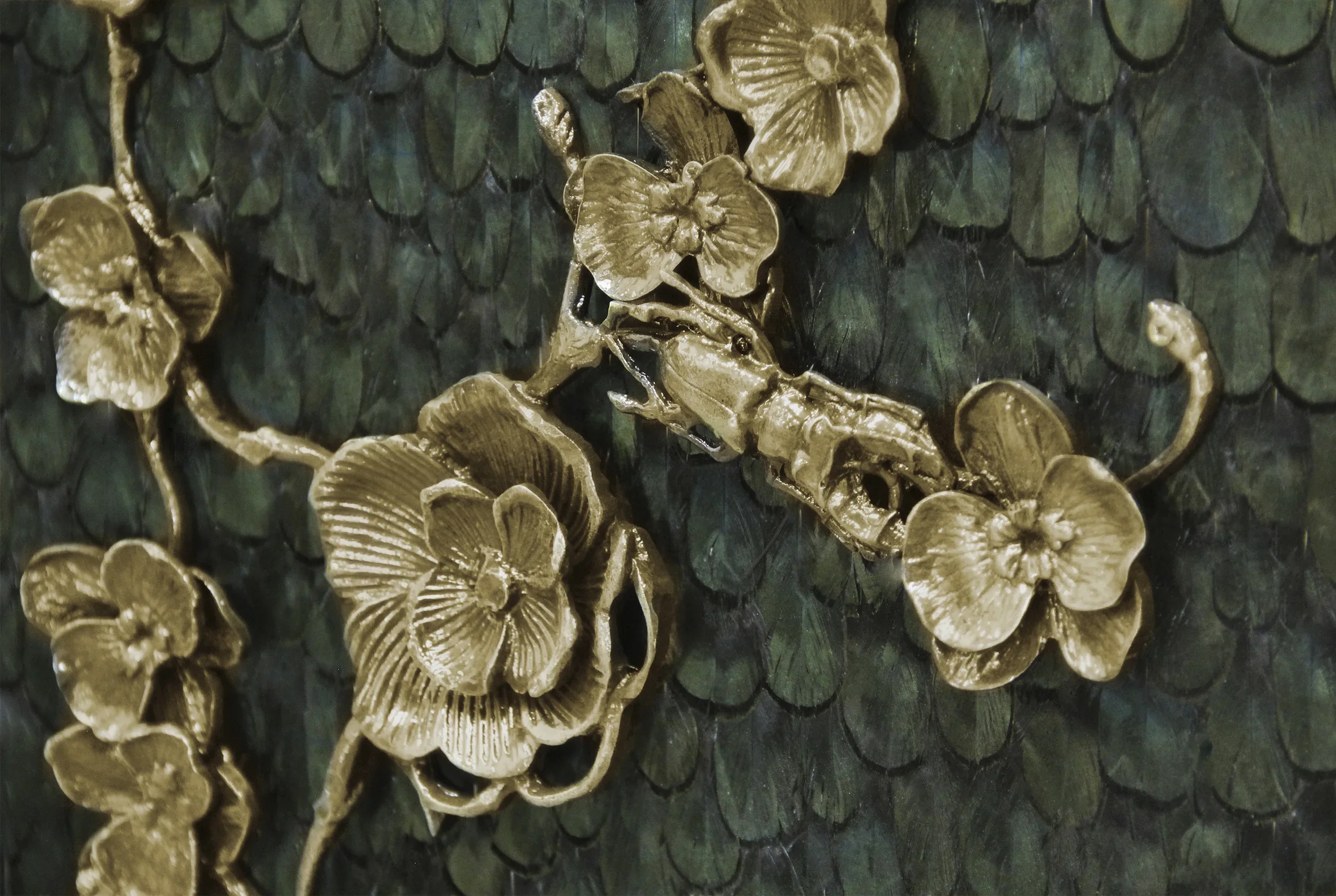
Spellbound finish, KOKET
I can lose an unreasonable amount of time looking at a beautiful material, an extraordinary piece of lighting or a detail most people would probably scroll straight past. Some of my favourite design discoveries happen when I'm not looking for anything in particular. One account leads to another, a particular finish catches my eye, and then I find myself researching the maker, the material, the technique and how I might use something similar in an entirely different context.
For me, this is one of the joys of being a designer: the constant curiosity, the collecting of ideas, and the little discoveries that eventually find their way into your own work. Inspiration rarely arrives fully formed. Sometimes it's a colour combination or an unexpected juxtaposition, and sometimes it's simply seeing someone push a material further than you thought possible.
For the final instalment of the Instagram accounts I keep coming back to, I'm turning my attention to five names that each inspire me in a different way: KOKET, de Gournay, Fameed Khalique, Cox London and Lemieux et Cie.
Each has a distinct visual language, but all share something I value deeply: a respect for materials, craftsmanship and design with a point of view.
1. KOKET — For unapologetic glamour
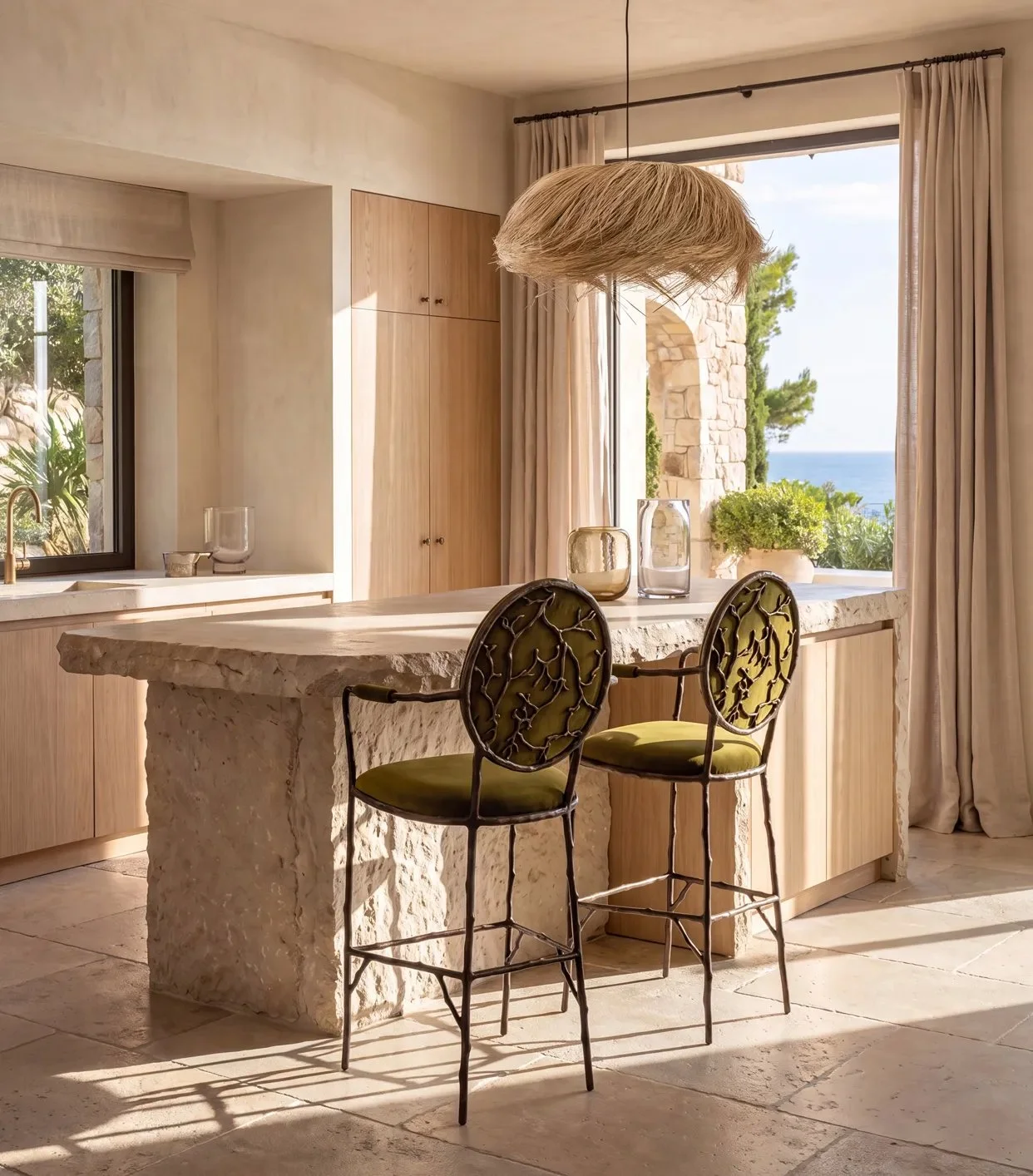
Enchanted bar stool, KOKET
Some designs are meant to blend in. KOKET has never struck me as a brand particularly interested in doing that.
Its world is unapologetically expressive, with sculptural furniture, statement lighting, striking finishes and details that refuse to be overlooked. There is a sensuality to the work, a willingness to embrace ornament and a confidence in making a piece the centre of attention.
What I find interesting is the balance between extravagance and form. The drama isn't simply about adding more; it comes from the silhouette, the finish, the contrast between materials and the way a piece occupies a room.
I am always drawn to interiors that have a little tension in them: something unexpected beside something restrained or a contemporary shape with a glamorous finish. I love when a room doesn't take itself too seriously. In the KOKET world, sophistication doesn't have to be quiet, and that glamour, when handled with conviction, can be a design language in its own right.
What I take from it: Don't be afraid of the statement piece! One extraordinary object can do more for a room than an entire collection of carefully coordinated furniture.
2. de Gournay — For the art of the handmade
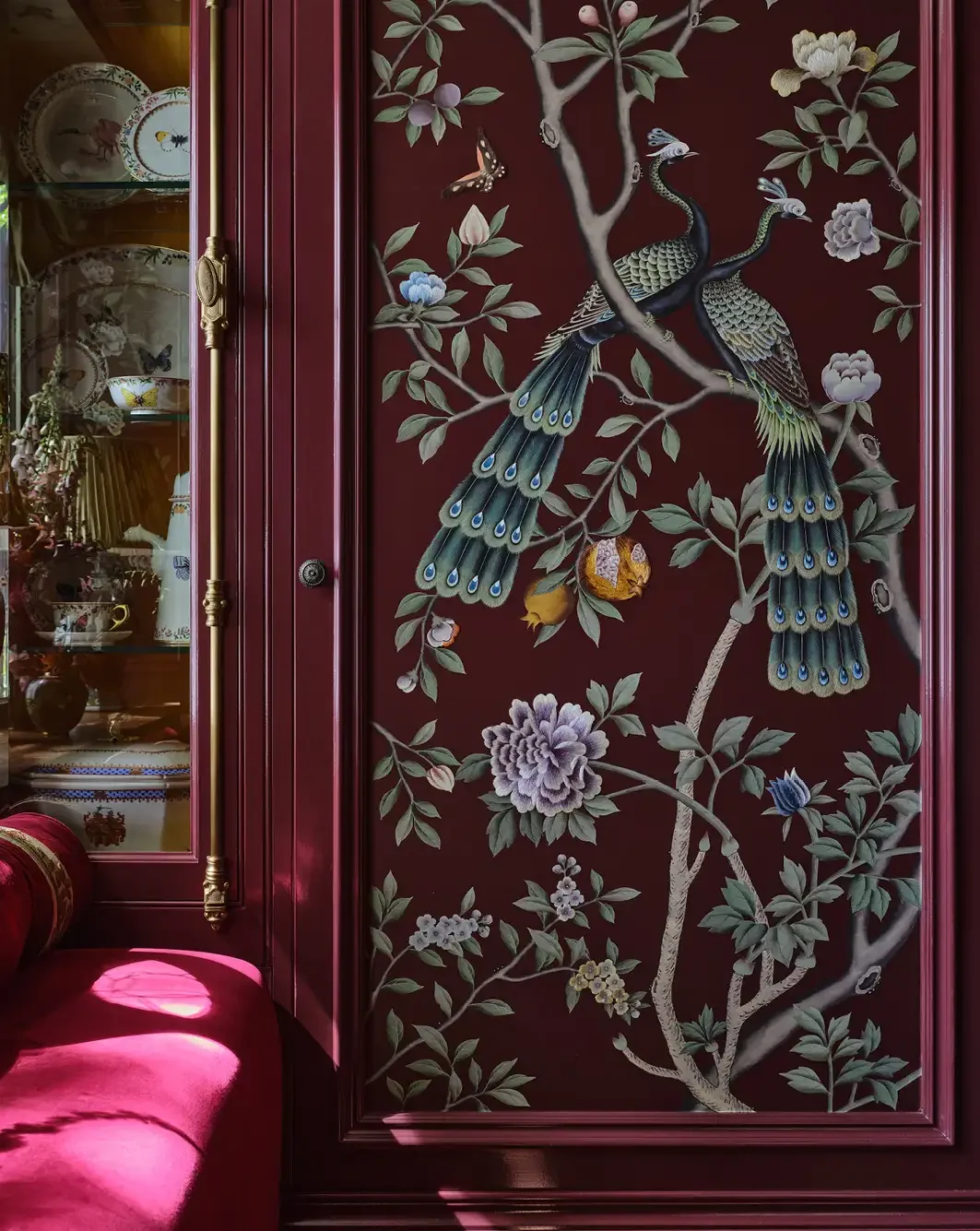
St. Laurent chinoiserie, de Gournay
There is something rather special about a surface that takes time. In a world where almost anything can be printed, replicated or reproduced at scale, de Gournay continues to make hand-painted wallpapers, embroidered wallcoverings, fabrics and porcelain that celebrate the human hand. Its work draws on historic decorative traditions while allowing colour, composition and individual interpretation to give each project its own character.
I love the idea of a wall becoming more than a background. It can tell a story, establish a mood and can create a sense of escape. An embroidered surface adds depth that changes with the light. A decorative scheme can be richly detailed without feeling like decoration for decoration's sake.
Craftsmanship such as this puts the understanding about the technique at the forefront, respecting its history and knowing how to use it in a way that feels relevant today. I find that particularly compelling in interiors that bring together traditional architecture and contemporary furniture. The contrast allows both to shine.
What I take from it: Walls deserve the same consideration as furniture. A surface can be a work of art, not merely the thing everything else sits in front of.
3. Fameed Khalique — For the possibilities of material
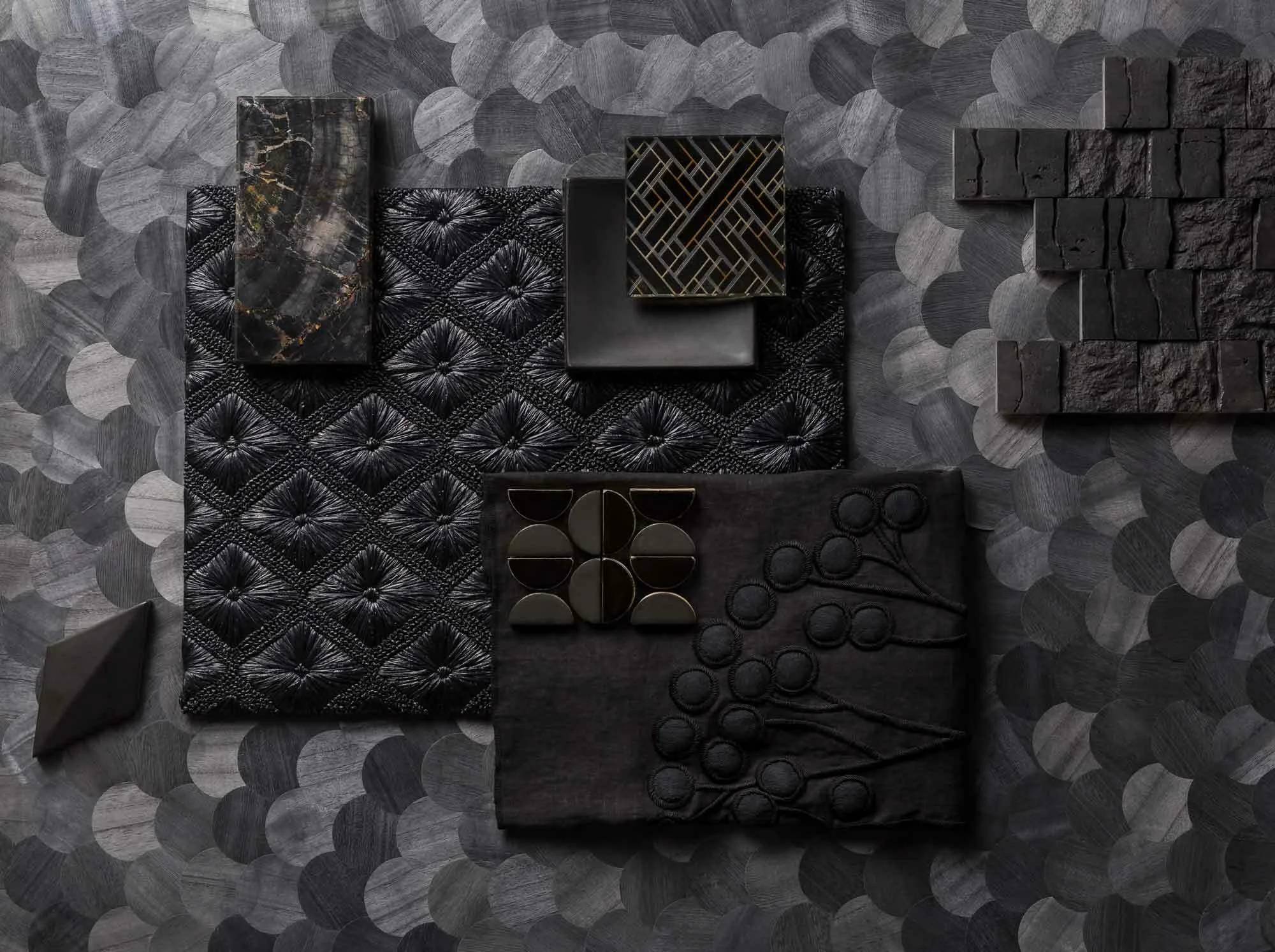
A black surfaces collection curated by Fameed Khalique
This is one of those accounts that can send me straight into a world of samples, textures and possibilities.
Fameed Khalique works with an extraordinary range of decorative materials, from embroidered fabrics and leathers to woven metal, marquetry, wallcoverings and semi-precious stone.
What interests me is the way these materials challenge our expectations of what a surface can be. A wall doesn't have to be painted or a cabinet doesn't have to have an ordinary finish. See the piece of upholstery as an opportunity to introduce an entirely different texture, technique or level of detail. This is where material exploration becomes part of the creative process rather than a decision made at the end.
I often think the difference between an interior that feels considered and one that feels generic lies in these choices. An unexpected woven surface, an intricate inlay or a beautifully developed embroidery can give a room its identity. These are the details that reward a closer look, and that can make a design feel distinctly its own.
What I take from it: Start with curiosity. Explore the materials, ask what is possible and don't assume that a surface has to be used in the way you first imagined.
4. Cox London — For lighting as sculpture
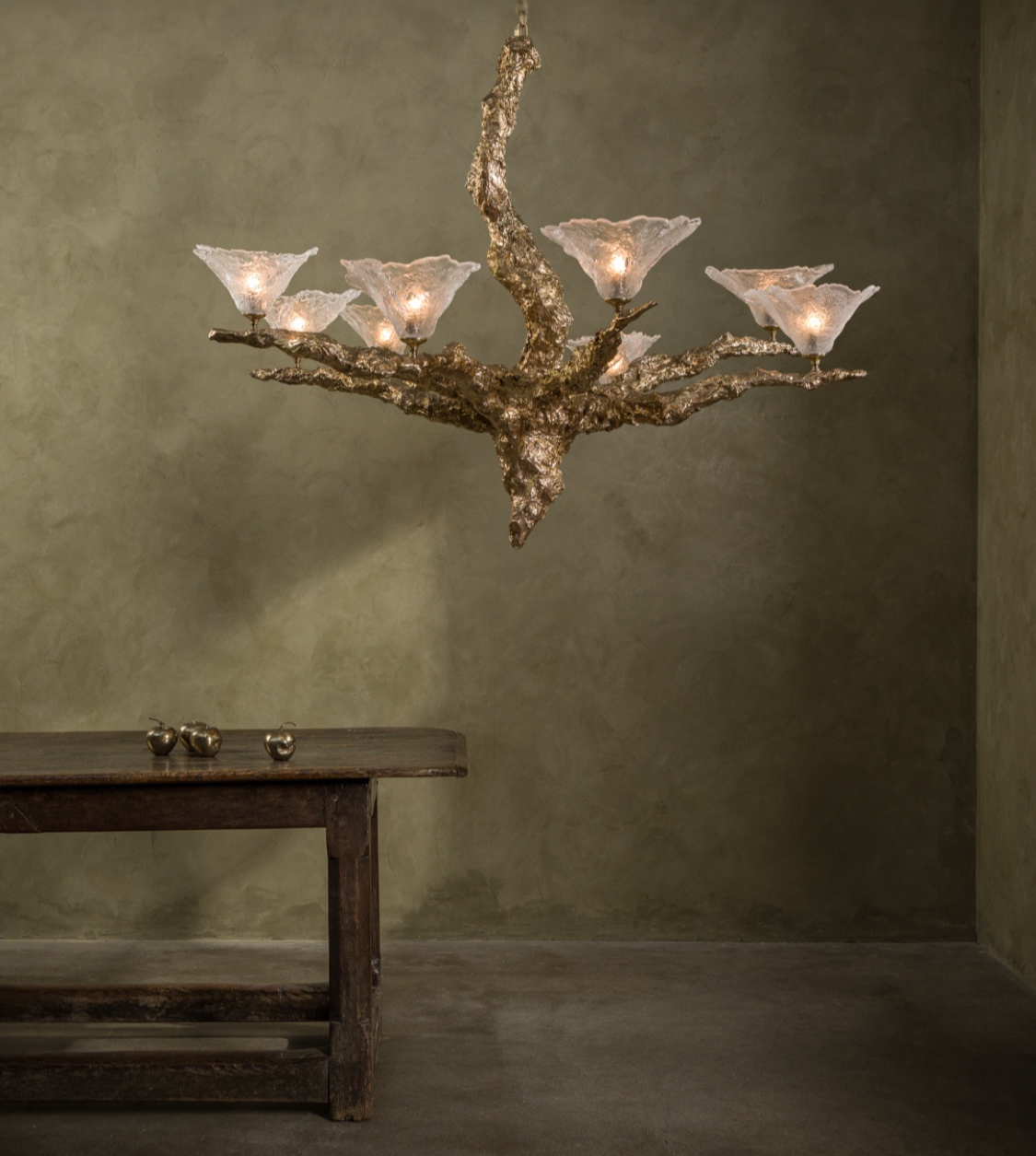
Golden Magma by Christopher and Nicola Cox, Cox London
I have a particular weakness for lighting that does more than illuminate a room.
Cox London creates lighting, mirrors, furniture and objects that draw on nature, history and traditional making techniques. Its work often feels sculptural, with organic forms and expressive metalwork. This is the kind of design that makes me look twice.
A light fixture can be functional, of course. But it can also become the piece your eye returns to again and again. I am especially drawn to lighting that feels almost like an artwork during the day and takes on a different presence once it is switched on. The interplay between metal, glass, shadow and light can be as important as the shape itself.
Cox London also reminds me why the hand of the maker matters. The subtle irregularities, marks and textures that come from a considered making process can give an object a presence that feels difficult to replicate through mass production. For me, that is the appeal of collectible design: the point at which function, craftsmanship and artistic expression meet.
What I take from it: Don't leave lighting until the end of a project. The right fixture can be as important to the architecture of a room as the furniture or artwork.
5. Lemieux et Cie — For design with a sense of history
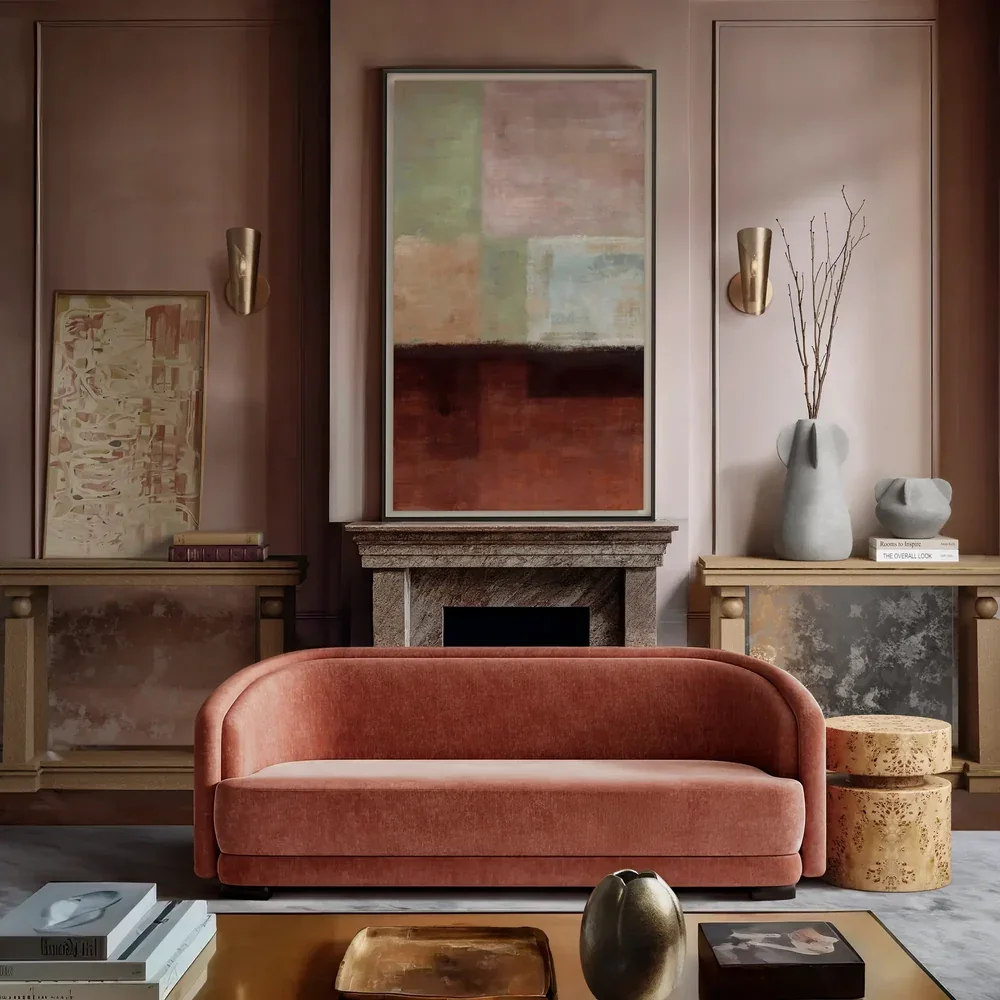
Lemieux et Cie, founded by designer and author Christiane Lemieux, draws on design history, global craftsmanship and a considered approach to materials. Its aesthetic brings together sculptural forms, tactile finishes and references that feel rooted in the past without being confined to it. That balance is something that interests me the most in interiors.
I do not believe an interior needs to belong to one particular period or style to feel coherent. In fact, some of the most interesting spaces emerge when different eras are allowed to meet. I love the juxtaposition of an antique beside a contemporary sofa and a sculptural modern light above a traditional table. We love infusing antiques or vintage pieces into new built to give an old object a brand new context.
Lemieux et Cie speaks to that idea of collecting rather than simply furnishing. The emphasis is on pieces with character, thoughtful proportions and a relationship to the history of design.
Their work and account shows that an interior doesn't need to look as though everything arrived at the same time. The curation makes it personal and gives it timeless relevance.
What I take from it: Buy with a longer view. Choose pieces that can move with you, work in different settings and become part of your story.
Looking beyond the image
At first glance, these brands occupy quite different corners of the design world. What connects these five accounts isn't a single aesthetic. It's the different ways they approach design: one embraces glamour, another celebrates hand-painted surfaces, another explores the possibilities of materials, while others approach lighting and furniture as forms of artistic expression.
But I keep returning to all five for a common reason: they remind me to look beyond the finished image and look at the material rather than just the colour or the silhouette. At the way an object is made, the details that distinguish it and the thinking behind its design.
These are the things that influence how I approach my own work at AD Design.
I am interested in interiors that feel layered rather than overly coordinated, in the meeting of old and new, and in the unexpected details that give a space its personality. I want to know what a material can do, how a piece might be used differently and whether something that catches my eye could become the starting point for an entirely new idea.
Sometimes inspiration comes from a complete room. Other times, it comes from a single detail: the edge of a textile, the finish on a cabinet, an unusual light fixture or the way two materials meet. Or it could come from simply seeing how someone else approaches their craft.
Instagram can be a wonderful source of inspiration when we use it to look more closely, rather than simply to collect images of things we like. These are the accounts that encourage me to do exactly that and prompt me to understand what makes it compelling.
