

On the conversations that make a good interior design project.
It is always tempting to start with the fun part. But before we can drool over your favorite sofa, that magnificent stone finish or all those references we have been collecting on Pinterest for years, we got to sit down. Face to face would be ideal, but we can also do this virtually. No spoiler, I love the conversations about stone profiles much more too. But before we get carried away with the details, there are a few things we like to understand as a studio and your potential partner in crime in your next biggest investment.
Because a good interior design project starts with understanding the people behind it, what they want to achieve and what it will take to get there. Over time, I have come to appreciate just how much the quality of a project depends on the conversations we have at the beginning.
Understanding the brief
Before discussing finishes or furniture, I want to understand how the space is going to be used. How do the people living or working there spend their time? What isn't working at the moment? What needs to change? What do you love, and what would you like the space to say about you?
For commercial projects, that might mean understanding the brand, its customers, its operations and the experience it wants to create.
Some clients arrive with a very clear vision. Others know what they don't like but haven't quite found the words for what they do want. Both are good places to start. Our role is to listen, ask the right questions and translate those conversations into a design direction that feels considered and individual.
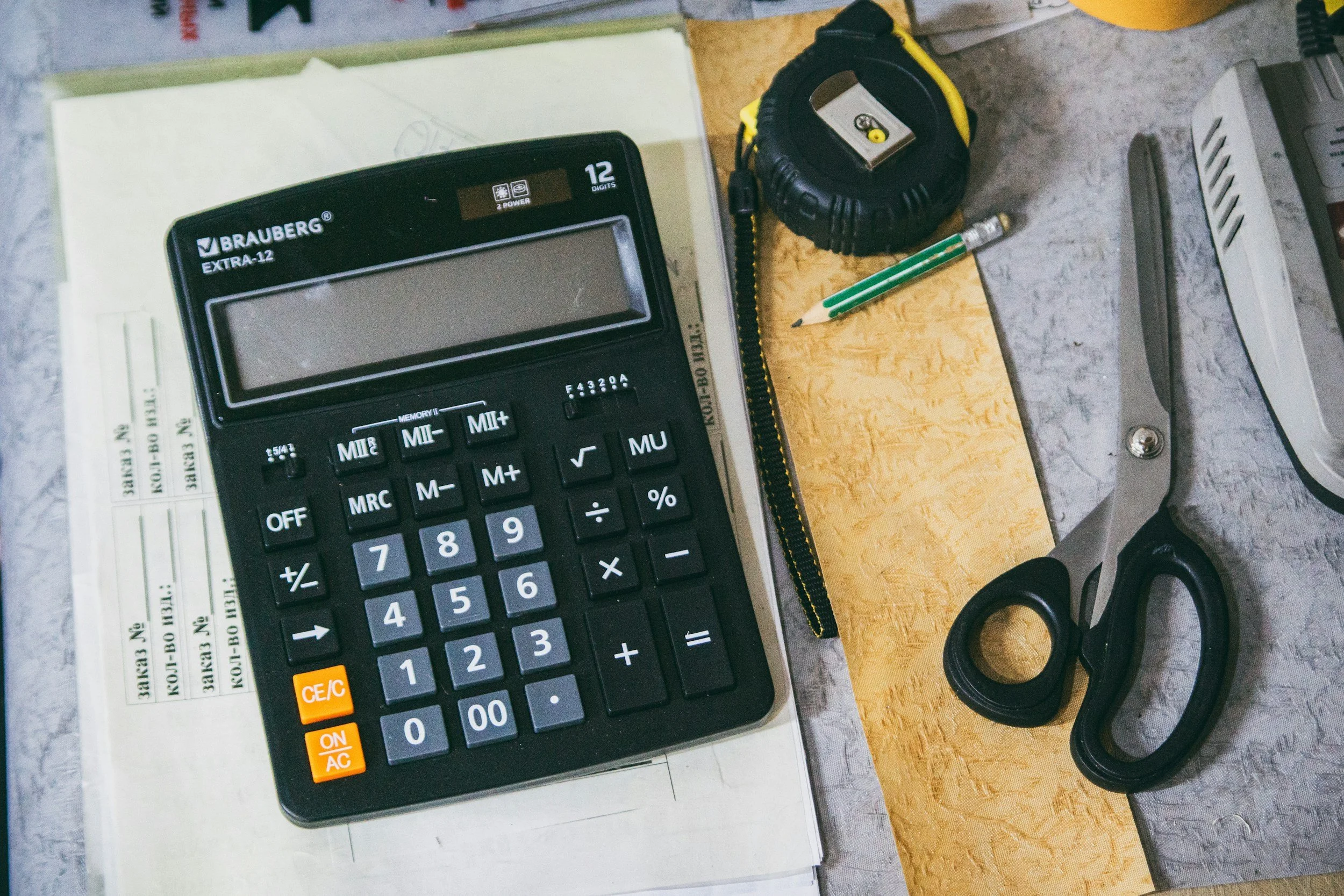
Let's talk about the budget!
We keep saying this all over again, but even if you don’t like it, we got to do it. And if you are not ready to do so, we simply cannot see a realistic scenario to work together. It is still bewildering that one of the most important benchmarks of a project should be kept a secret. Juts last week, when meeting with your wall panel supplier, he told me again how stressful it is for him when clients do not want ti openly speak about money. Apparently, it is a general issue across the industry, at least here in Nigeria, so I will repeat it again:
A realistic budget gives us a framework within which to work. It informs our recommendations, material choices, supplier conversations and how we allocate resources. It should also include an allowance for contingencies, because unexpected costs are part of almost every renovation or construction project. The appropriate allowance depends on the nature of the project, but it needs to be discussed from the outset.
When a client shares a ballpark figure (estimated only!), we take it seriously. We work around that figure and make professional recommendations based on it. It needs to be a genuine indication of what the client is prepared to invest, not simply a number to test the waters. It doesn't work to agree on a budget, develop the design and proceed with the work, only to discover later that the actual available investment is perhaps 30% of what was originally communicated. By then, decisions have been made, time has been invested and expectations have been established.
Of course, circumstances change. Priorities can shift, and budgets sometimes need to be revisited. There is room to adjust the scope and explore alternatives, provided those conversations happen openly and early. It is also important to establish what the budget covers: construction, furniture, lighting, appliances, custom pieces, shipping, installation and professional fees, for example.
Our job is NOT simply to spend the budget. It is to help allocate it intelligently, understanding where investment will make the greatest difference and where a different solution might work just as well.
Ultimately, this comes down to honesty on both sides. We need to be transparent about what things cost, and clients need to be equally transparent about what they are prepared to invest.
What exactly are we taking on?
The phrase interior design project can mean very different things to different people. For some, it means a concept, drawings and a shopping list. For others, it includes sourcing, procurement, contractor coordination, site supervision and seeing the project through to completion. Neither is wrong, but they are different scopes of work, with different responsibilities and fees.
We like to establish this early. What are we responsible for and what will the client be handling? Who is coordinating suppliers and contractors? Who makes decisions and approves purchases? Understanding this helps us recommend the right level of service and gives everyone a clearer picture of their role.
Timelines and working together
A project timeline is more than a date on the calendar. It depends on decisions, approvals, deliveries, production schedules and the availability of the people involved. We need to know whether there is a fixed opening date or move-in deadline, and be realistic about what can be achieved within that time.
The decision-making process matters just as much. Who needs to approve the design? Are several people involved? Does your aunty who watches fixer-uppers on YouTube be consulted for every decision? How quickly can feedback be provided?
And then there is the working relationship itself.
We value open communication, mutual respect and trust in the professional judgement we bring to the table. We want clients to feel comfortable asking questions and sharing concerns. At the same time, a project works best when everyone understands their responsibilities and is willing to play their part.
Not every decision will be effortless, and not every project will go exactly to plan. What matters is being able to have an honest conversation and find a way forward together.
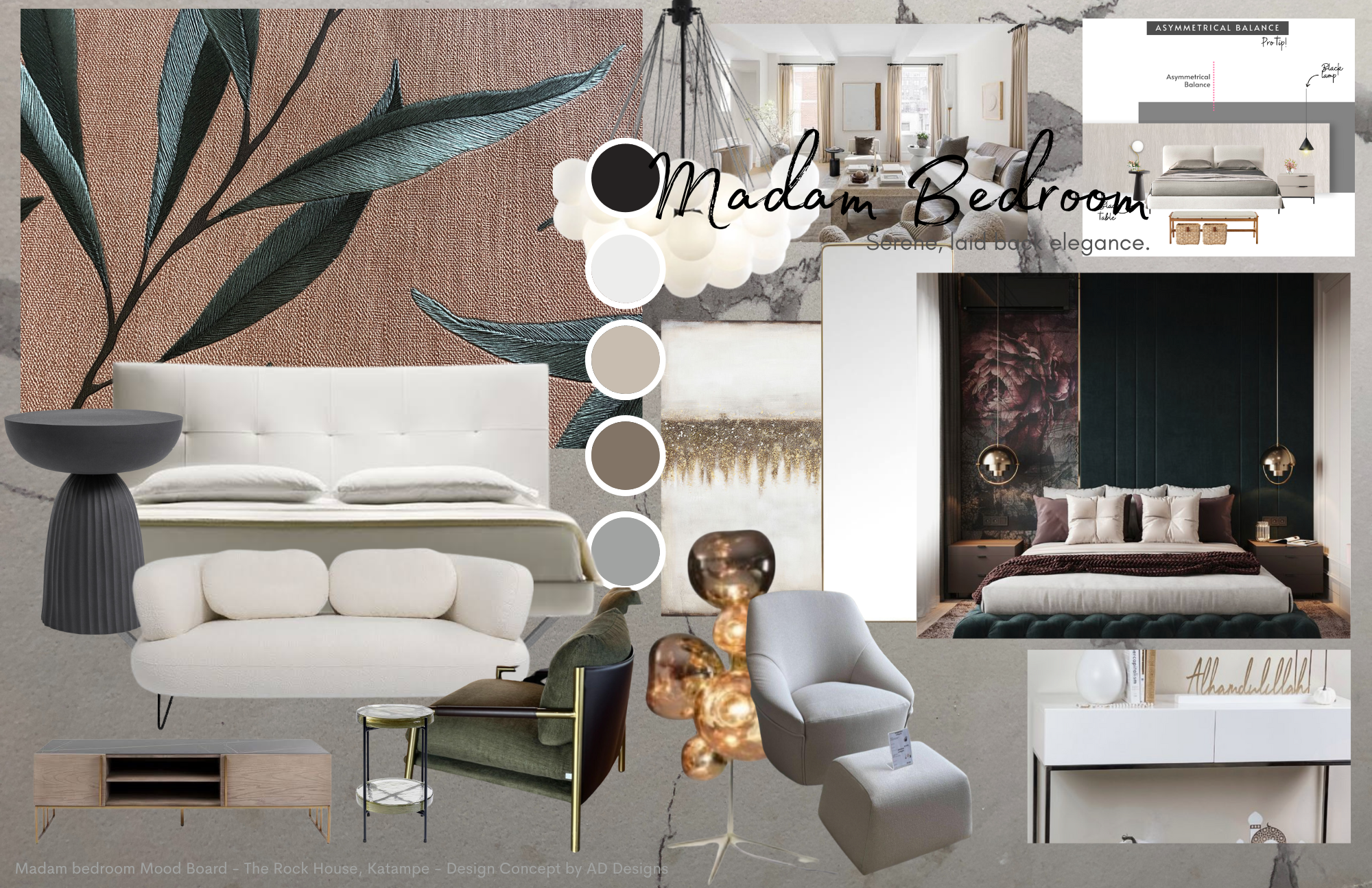
Before the first moodboard
None of this is meant to take the excitement out of starting a project. Quite the opposite. The creative process is far more rewarding when there is a shared understanding of what we are trying to achieve and how we are going to get there.
At AD Design, we have a process for a reason. It helps us understand the brief, establish the scope, develop the design and guide the project through its different stages. Every project is different, but asking the right questions early gives us a much better foundation to work from.
So yes, let's talk about the sofa, the beautiful stone, the lighting, the fabrics and all the details that make a space feel special and uniquely yours. But first, let's talk about the things that make a good project possible.
